Northeast spring rains, low temperatures greet Turek Farms’ crops
Northeast spring rains, low temperatures greet Turek Farms’ crops
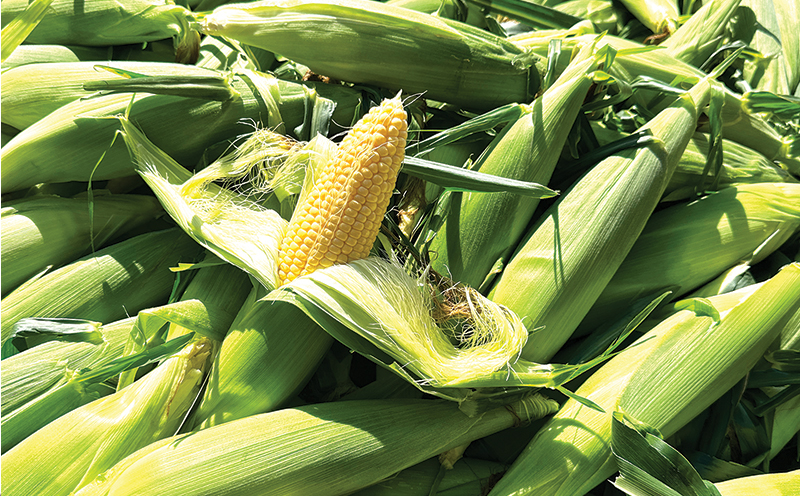
A wet spring will likely force some gaps in sweet corn and other vegetables coming from New York state’s Finger Lakes region this summer and fall.
Jason Turek, a partner at Turek Farms based in King Ferry, NY, said some of his fields have received almost 14 inches of rain since early May. As of the second week of June, Turek said his farmland hadn’t seen a completely dry weekend in about 30 weeks.
In April, early indications pointed to nice weather conditions for Turek Farms’ sweet corn, cabbage, summer squash and other vegetables. Jason Turek is a partner in the farm’s marketing arm, Cayuga Produce, which has sweet corn year-round via Turek Farms’ affiliation with Belle Glade, FL-based SM Jones & Co.
The farm’s main crop is sweet corn, which typically starts in mid-July and ships through October. Turek Farms’ fall crops, including pumpkins and winter squash, usually ship from Labor Day through the end of November. Crops could be bumped back 10 days to two weeks, Turek said.
“We started out pretty good in April and got into the fields and thought we were going to have a good run,” Turek said the second week of June, “but we were decimated by rain in May. It’s been a real struggle. We’re probably at less than half of where we should be for what’s in the ground.”
Another four inches of rain fell the first full weekend in June, preventing equipment from planting some sweet corn, pumpkins and squash for the fall. Temperatures were also down, with hardly any days above 60 degrees May, with drops in the 40s.
“There are some big holes in our harvest schedule for August, it looks like,” Turek said.
Sweet corn takes about 80 days from planting to harvest, and options are limited to pick up acreage as the planting season nears an end.
“If we miss some acres, we typically just keep trudging along, and we can adjust some varieties to shorter-season varieties to try to make up some of the gaps,” he said. “But we’re going to leave some substantial acres empty this year.”
Turek said the weather has been the most unforgiving for the crops since he returned to the farm after college 30 years ago.
Last season, however, growers in the Finger Lakes area found ideal conditions, he said.
In early June, Turek was nearing a deadline for locking in how many workers through the H-2A temporary visa program would be needed this summer and fall. Like many growers across the country, the program has become more of a necessity to ensure a workforce through the season.
“This program, as cumbersome as it is with all the paperwork and the expense, is a good solution (to labor needs),” he said. “It’s a good solution for us, and it’s good for the workers.
“We certainly wouldn’t be growing vegetables if we couldn’t access the H-2A program,” said Turek, who represents the third generation in the family at the operation.
A new cold storage room will have its first season this summer — if volumes rise to the level it’s needed — at the Turek Farms’ packinghouse, which is more than 40 years old. Turek, who diversified summer operations beyond sweet corn after college, said adding cold storage and dry box storage was a necessity to “make things flow easier” in the facility.
Turek Farms has the capability to make up to 50 tons of ice a day to rapidly remove field heat from the vegetables to prevent damage. With a large part of the company’s customer base in the northeast, Turek said the goal is to ship the vegetables the same day as they are harvested.
Turek said about half of the customer base is retail, and the other half is made up of wholesales on terminal markets, foodservice operators and brokers.