Michigan remains a top producer of fruits and vegetables
Michigan remains a top producer of fruits and vegetables
Michigan’s agricultural scene is characterized by its rich diversity, with farmers growing a wide array of fruits and vegetables that peak during the summer months.
The state’s blueberry production is particularly notable, with more than 100 million pounds harvested annually across around 575 family farms, which contribute roughly $140 million to Michigan’s economy. These farms grow approximately 30 different blueberry varieties, showcasing the state’s strength in the category.
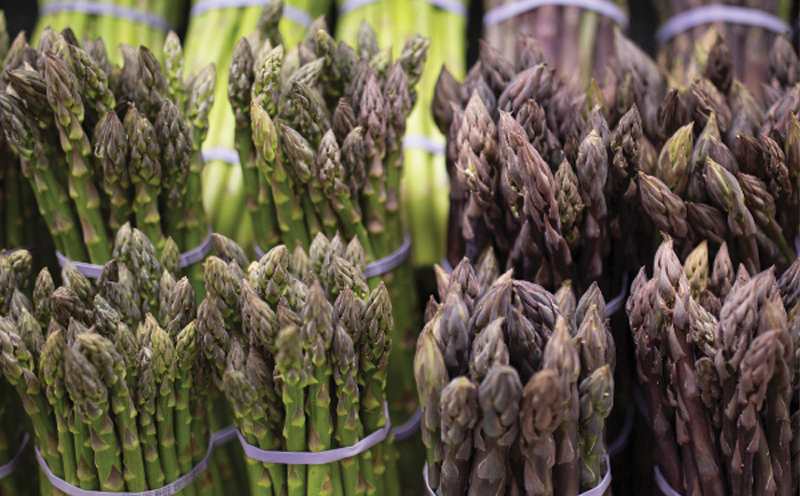
In addition to blueberries, Michigan is a significant producer of numerous other crops. It ranks among the top four states nationally for items such as asparagus, cabbage, carrots, celery, cucumbers, green beans, pumpkins, radishes, summer and winter squash, sweet corn, potatoes, tomatoes and turnips.
What’s more, Michigan is the No. 1 producer in the United States of tart cherries (65 percent of the U.S. total production), cucumbers for processing, asparagus, black beans, small red beans and squash.
The summer harvest kicks off in June with strawberries, asparagus and peas, setting the stage for July, when cherries and blueberries come into full swing. By August, raspberries, apples, cabbage and cucumbers are in season, filling the fields and markets with produce.
This seasonal abundance reflects Michigan’s diverse soil types, from heavier, nutrient-rich soils ideal for cabbage and corn to sandy areas suited for other crops.
“Michigan’s soil diversity allows for almost anything to be grown here, from vegetables to fruits like peaches and apples,” said Jimmy Myrick, vice president of Edward L. Myrick Produce.
The Michigan Vegetable Council estimates that around 165,000 acres of farmland are dedicated to vegetable cultivation across the state. Many farms are family-owned, with larger, more established farms often passed down through generations. While newer farmers tend to operate smaller plots, some are involved in sizable operations that thrive and remain robust.
Despite a dip in the farm value of field crops in recent years, Michigan’s agriculture sector remains vital, contributing billions to the state’s economy, making it second only to California.
“This industry brings in $104.7 billion annually to our economy, creating good-paying jobs for Michiganders,” said Michigan Governor Gretchen Whitmer at a press event this spring. “From our local farmers and producers to the hard-working truck drivers—everyone plays a part in ensuring Michigan’s food and agriculture industry remains a global powerhouse.”
One of the hurdles facing Michigan farmers is labor, particularly the recent increase in H2-A wage rates, the highest in the country last year. This has led to labor shortages and pushed some farms to adopt more automation to stay competitive.
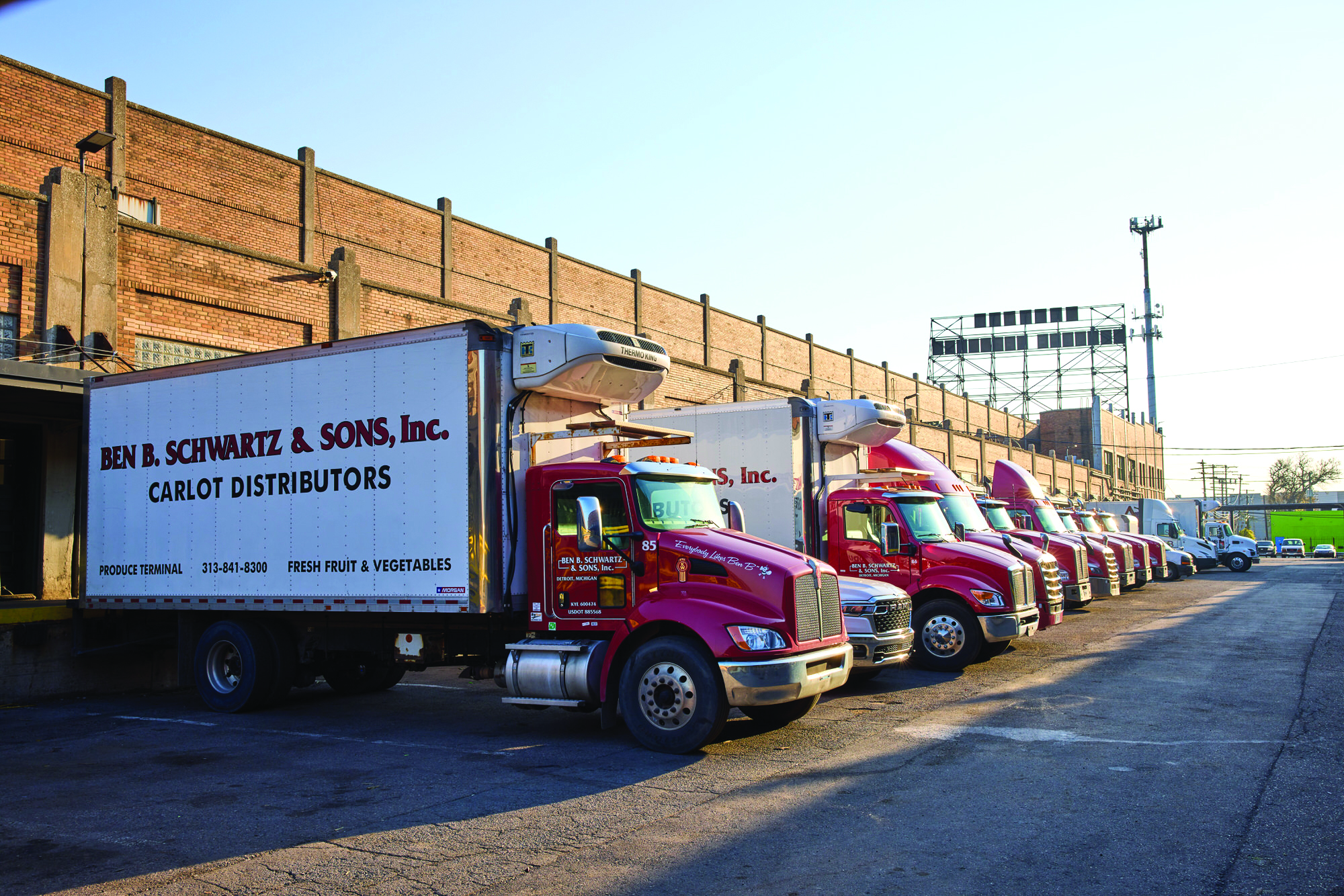
Michigan’s produce distribution infrastructure is robust, anchored by the Detroit Produce Terminal and the Eastern Market. These hubs host numerous produce companies that operate around the clock, supplying retailers, food service providers and consumers.
Dominic Riggio, president of Riggio Distribution, emphasizes the importance of Detroit’s heritage in produce commerce noting many foundational families built the market, and the competitive nature of retailers, wholesalers and distributors ensures consumers get the best quality and prices.
Overall, Michigan’s agricultural landscape reflects the resilience and hard work of its farmers, the richness of its diverse soils and the strength of its markets. With a positive outlook for the coming years, the state continues to hold a prominent place in the produce industry.