In the Trenches: Summer selling is the national pastime for produce
In the Trenches: Summer selling is the national pastime for produce

With summer in full swing, people love to travel, go camping, grill and watch our national pastime — baseball.
Many of us have a national pastime in the produce industry. We’re up early, first on the market and first in the stores. Like ball players, produce people eat, sleep, walk and talk produce.
Retail produce people are also very anxious for spring to arrive. Spring is the door to the summer produce sales season. Spring brings us strawberries and asparagus. Summer follows with stone fruit, berries, cherries, melons, grapes and sweet corn.
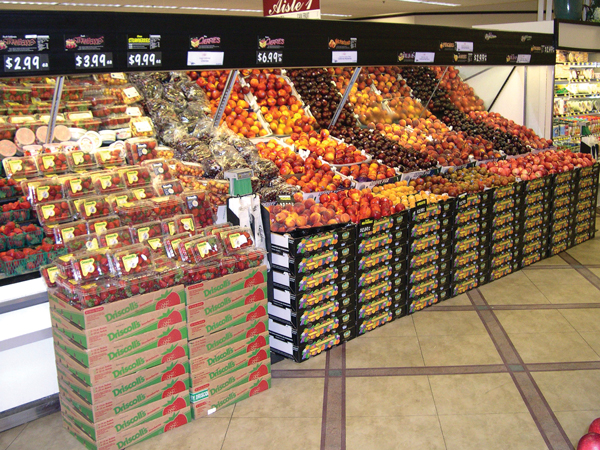 With summer right around the corner, so is the produce national pastime. This is the time to get excited about selling produce. In the summer months, eating habits change and consumers spend more of their food shopping dollars on fresh produce. The greatest amount of glamour and sales volume come from the hot summer months.
We talked to growers, shippers and buyers about this summer’s product. They reported that there will be plenty of stone fruit, melons, grapes, corn and all other hot weather-related items that consumers want and enjoy.
The time is now. The script has changed from winter to summer. All produce personnel should be stepping onto the field ready to play their roles every day. When the doors open in the morning, it should be to play ball and score as many sales as possible.
It’s also a whole new ball game in the produce business. Equipment, merchandising strategies, operating methods, consumer eating habits and technology have all made a big impact on produce. The industry has adapted to several big ongoing changes. Sales records are consistently being broken.
Since this is a new seasonal produce ball game, why then do some management levels still use the same old philosophies? Why do they merchandise summer the same negligent way by purposely cutting back on specific items?
Without a doubt, displays of summer fruit should be set up with an aggressive and massive appearance. The space allocation of these items should obviously be expanded. However, why are other items cut back with an attitude that they won’t sell in the summer?
Old thinking places items like apples, oranges, broccoli, cauliflower and cabbage into solitary confinement. Over the years, we have been brainwashed that these are only winter items. Again, those days are gone. Consumer trends have changed. Shoppers prefer a choice of all produce items to fulfill their healthy eating habits throughout the year.
Times have changed and promoting and merchandising have changed. Product availability is now in a year-round supply. Items such as watermelons, asparagus, berries and sweet corn were once only available during spring and summer. Now they are in stores 52 weeks of the year.
A number of retailers are still set in their ways by feeling that people do not cook as much in the summer months. However, cooking roasts and soups in the kitchen has never been easier, more comfortable and fun as it is today. Besides, all the TV cooking shows have inspired it.
Obviously, stone fruit, berries, cherries, grapes, sweet corn and melons are very demanding summer items and should get primary display space in the produce department. However, consumers are eating more and more apples, oranges, broccoli and all other so-termed winter items in 2025. They are choosing all fresh produce for health-related reasons today.
The old established custom of burying very limited quantities of apples, oranges and cooking vegetables on a condensed display for the summer season is an old, bygone practice.
Today, companies require all the sales they can generate to achieve those much higher challenging budgets.
All items should be displayed like they are meant to sell in large amounts to shoppers.
Produce retailers that cut back on certain category items in the summer months should change those habits. A strong effort should be put into generating incremental sales by promoting the fall and winter category items in addition to traditional summer produce.
What do you think would happen if a 15-case auxiliary display of apples and oranges were set up and promoted in mid-July? It’s simple. Customers would buy more, and additional sales would be gifted along with summer fruit.
In order to grow produce sales, you have to not only think big — but think bigger. When seasonal items arrive, don’t ignore the others.
Ron Pelger is a produce industry adviser and industry writer. He can be contacted at 775-843-2394 or by e-mail at [email protected].