New Jersey Department of Agriculture hypes great start to Jersey Fresh season
New Jersey Department of Agriculture hypes great start to Jersey Fresh season

 The New Jersey Department of Agriculture is thrilled to have had a conventional winter that allowed for soil recharge — and without major swings — to allow for the beginning of an excellent looking season for growers in the state.
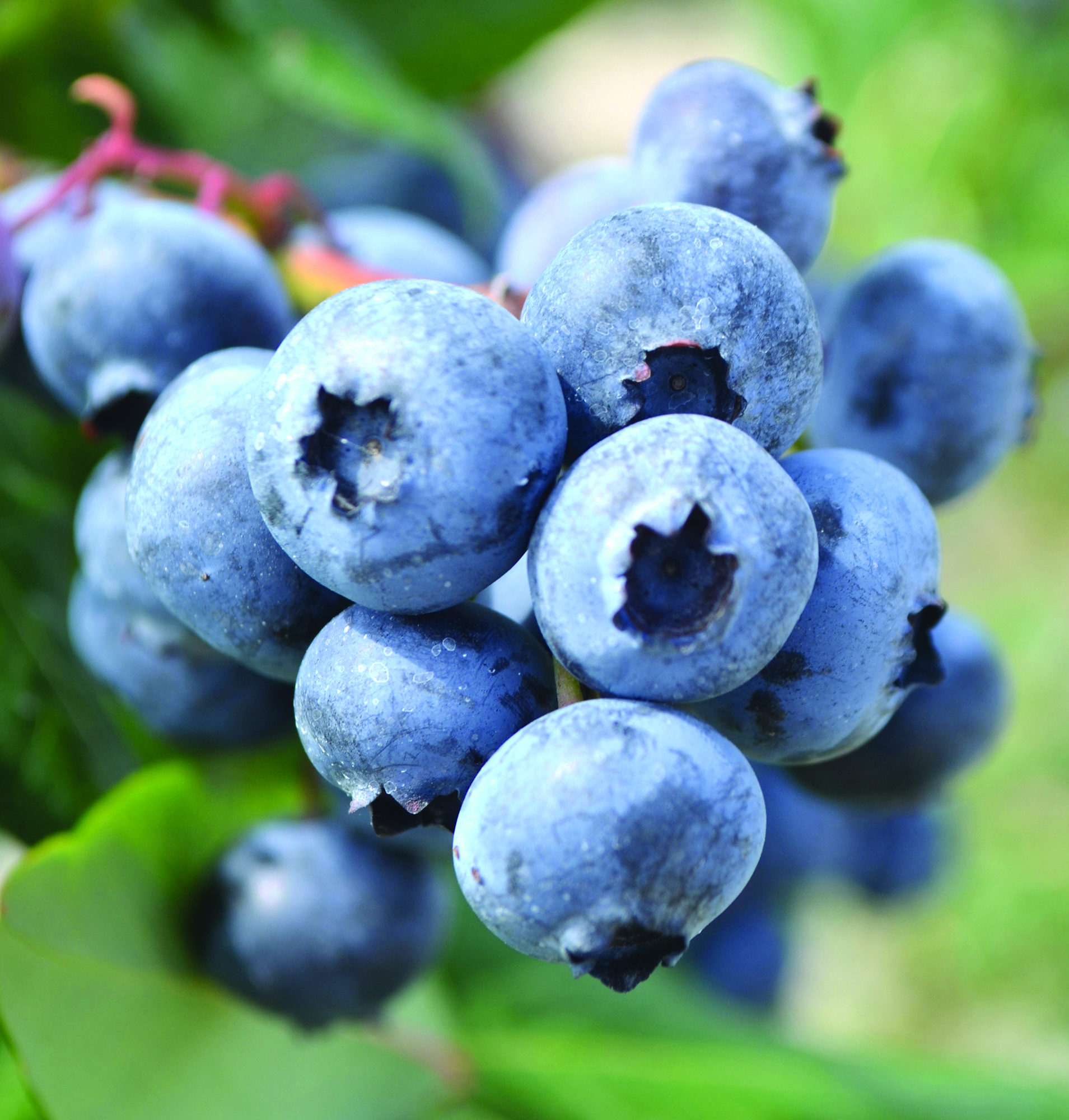
“We are excited to have a full crop of all of our Jersey Fresh products this year,” said Joe Atchison III, NJDA’s assistant secretary of agriculture. “Thanks to an almost perfect winter, the Jersey Fresh produce season is off to a great start with lettuces, greens, herbs, asparagus and strawberries soon to be followed by squashes, blueberries, tomatoes, etc. all season long into November. We predict a full crop for just about every product.”
Produce provides a tremendous economic boost for the Garden State. In 2024, vegetables had a farm gate value of $225 million and fruits (including blueberries, peaches and cranberries) garnered $125 million.
“New Jersey has several microclimates that provide perfect growing conditions for corn, tomatoes, peaches, peppers, blueberries and more than 100 other varieties of fruits and vegetables throughout the season,” Atchison said. “In addition, New Jersey is conveniently located within a few hours’ drive of about 50 million customers looking for top quality produce.”
The NJDA works with growers and producers across all agriculture sectors and this year is looking to expand its Made With Jersey Fresh value-added program to help growers extend their seasons.
“Our grants team continually seeks out new funding opportunities and shares them as they become available and we, along with our state board of agriculture, host agricultural tours for legislators to share with them the issues growers face every day,” Atchison said.
Not surprisingly, there are some issues popping up that pose problematic to the industry and the NJDA is working hard to help state growers deal with the concerns they face.
“Ensuring a full labor pool continues to be a challenge to growers across New Jersey and other states,” Atchison said. “Many New Jersey growers use the federal H-2A program which has helped them maintain a viable workforce. And, of course, climate variations always keep farmers on their toes.”
Plus, most farmers in the United States are keeping an eye on tariffs and how they might impact their operations either negatively or even positively in some cases, and that’s something that the USDA and Jersey growers are monitoring closely.
“Competition from foreign markets with considerably lower wages accentuates the need for positioning in the marketplace as fresher and more local to consumers than items that have been shipped thousands of miles,” Atchison said.
The NJDA is doing its part to help and offer plenty of resources and advice to help New Jersey growers stay successful.
“As with any business operation, farmers should always be watching the market, observing trends in the marketplace with different crops, new packaging, different methods of reaching buyers and always be adaptable to these changes,” Atchison said.