New Jersey Blueberry Industry Advisory Council is protecting blueberry growers in the Garden State
New Jersey Blueberry Industry Advisory Council is protecting blueberry growers in the Garden State
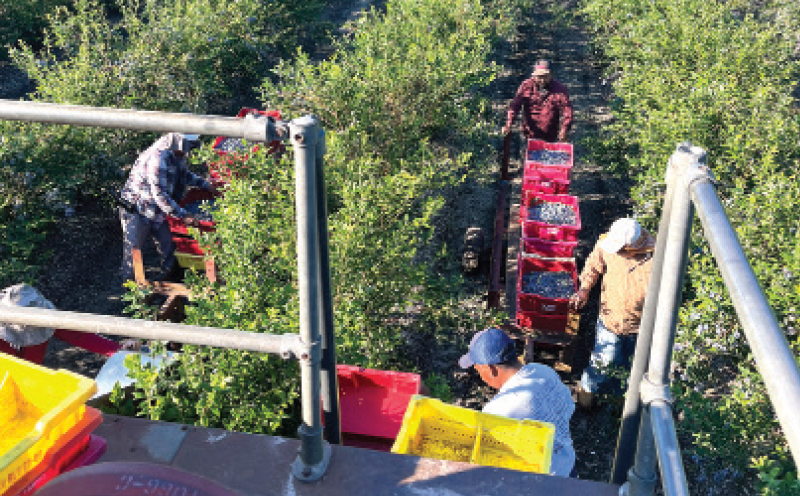
The New Jersey Blueberry Industry Advisory Council has blueberry growers in the Garden State collective backs.
Officials at the Trenton, NJ-based council, a state-run organization that takes a small fee from growers in New Jersey, wants everyone to know that they are working very hard to ensure that they are helping to protect the industry in New Jersey. The state accounts for about 45 million pounds of blueberry production annually, the sixth largest harvest among states in the country.
Formed in 1990, the council is designed to help blueberry growers in the state with pest control issues, work to help develop new varieties of blueberries that might thrive in the state’s unique soil and even work on government issues that benefit or protect the blueberry market.
“We take that money given to us by blueberry growers in New Jersey and use it to promote the blueberry market as well as being a large supporter of the Integrated Pest Management program at Rutgers University,” said Denny Doyle, its chairman for the last 10 years. “Research is also a very big part of our activities and we put a lot of money into that. Our primary goal is trying to develop new plants that are best suitable to our soils is South Jersey for the future of the blueberry industry in our state.”
Doyle and his team at the council are passionate about stopping pests and disease from infiltrating the blueberry market in the state. He said the council is actively engaged in meetings with growers, Rutgers experts and other key people to identify any risks to the industry.
“We have to stay pro-active all the time,” he said. “We have multiple meetings on a regular basis to make sure we know what is on the horizon and what new insects we may have to deal with in the near future.”
The council also works with Rutgers to get agricultural experts at the university to evaluate the condition of specific blueberry farms. “If we see conditions of the fields are not up to par, we network with Rutgers and its researchers come out and explain what might be going on,” Doyle said. “It might be something like using more fertilizer, trimming or the general maintenance of the field. The Rutgers people are very astute and know what they are looking for and what a healthy blueberry plant should look like.”
While government lobbying is not a focus for the council, Doyle noted that his team will take on certain issues to protect blueberry growers. For example, last year’s heat wave and summer drought, created some support in the New Jersey state legislature that any outdoor worker, including farm workers, should not work if the temperature gets above 85 degrees.
“If that passes, it is going to have a dramatic impact on our business,” he explained. “Obviously our workers work outside, and we need them to be picking blueberries at the right time of the season. Having it be illegal to work during prime harvest season would have a huge impact on what we do. So, we did a big outreach to local politicians to educate them about this issue and how it would impact our industry. We have to stay ahead of the curve.”
Another goal for Doyle is to get more blueberry growers involved in the council to ensure its future success.
“Our goal has been for the last six and seven years to bring on younger talented blueberry growers on to the council,” he said. “My personal mission is to make sure that our council stays young, vibrant and evolved. It takes time to get people up to speed on what we are all about and what we think is the right direction to take our industry forward.”