Spring looks great at D’Ottavio Farms
Spring looks great at D’Ottavio Farms
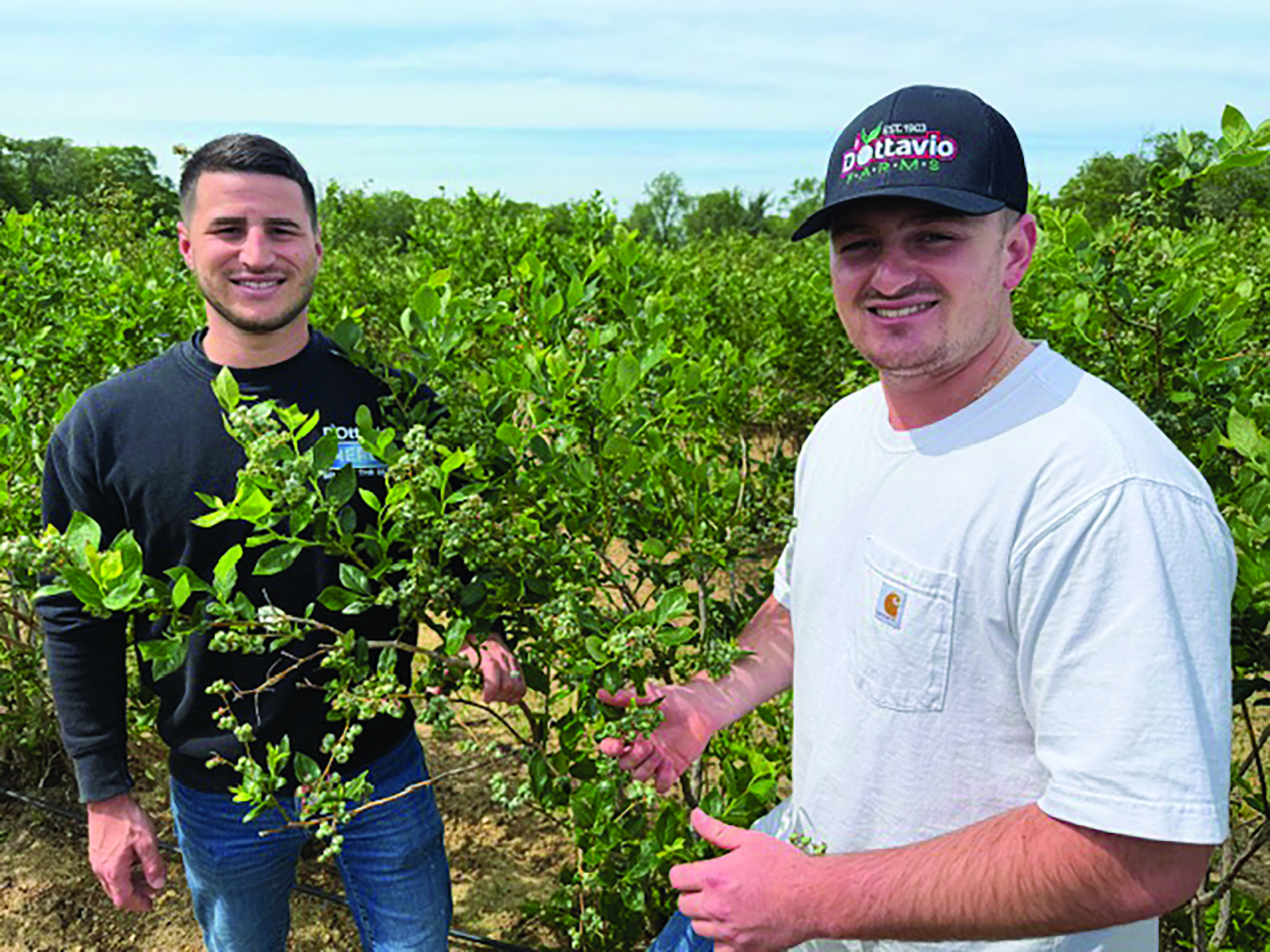
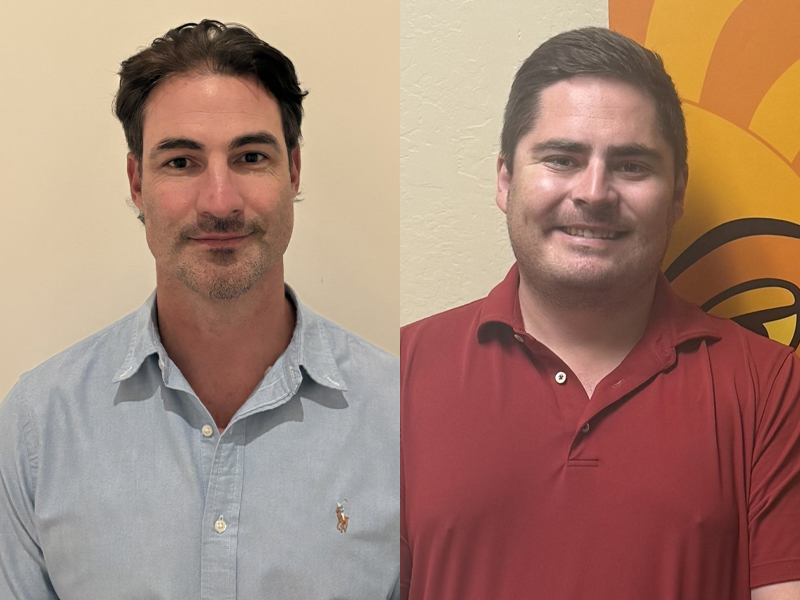
Farms located in Vineland, NJ, are Anthony D’Ottavio
and Jayson Duquette.
So far, so good.
That is what officials at D’Ottavio Farms see thus far for the spring growing and selling seasons.
“This season is shaping up very nicely,” noted Michael D’Ottavio, president of the Vineland, N.J.-based company. “We could not ask for better weather this spring, cool temperatures early in the season for lettuce then warm weather to help with pollination for the blueberries.”
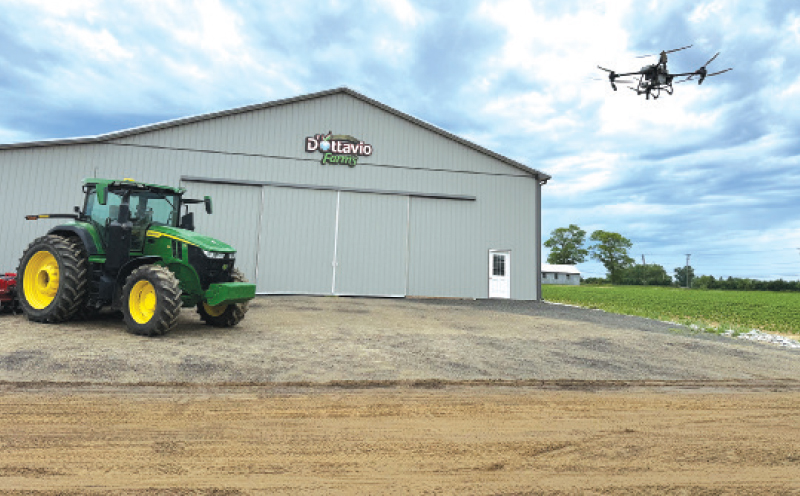
D’Ottavio, who oversees a fifth-generation family business founded more than 120 years ago, said that D’Ottavio Farms continues to increase its acreage organically and conventionally at its blueberry farm located in Vineland. “We try to find new ways to lower cost and be more environmentally sustainable,” he added. “This season we will start working with drones to lower operational cost by requiring less manpower, saving on fuel, and using less product with better coverage then the current sprayers used today.”
D’Ottavio said that drones also help eliminate soil compaction that heavy equipment creates.
“By not compacting the soil, we create a healthy soil structure for optimal growth and better water consumption to the plants,” he said. “Drones can be used for multiple crops and can help with fertilizer, pesticides, and herbicides by reducing waste and protecting crops for healthier yields.”
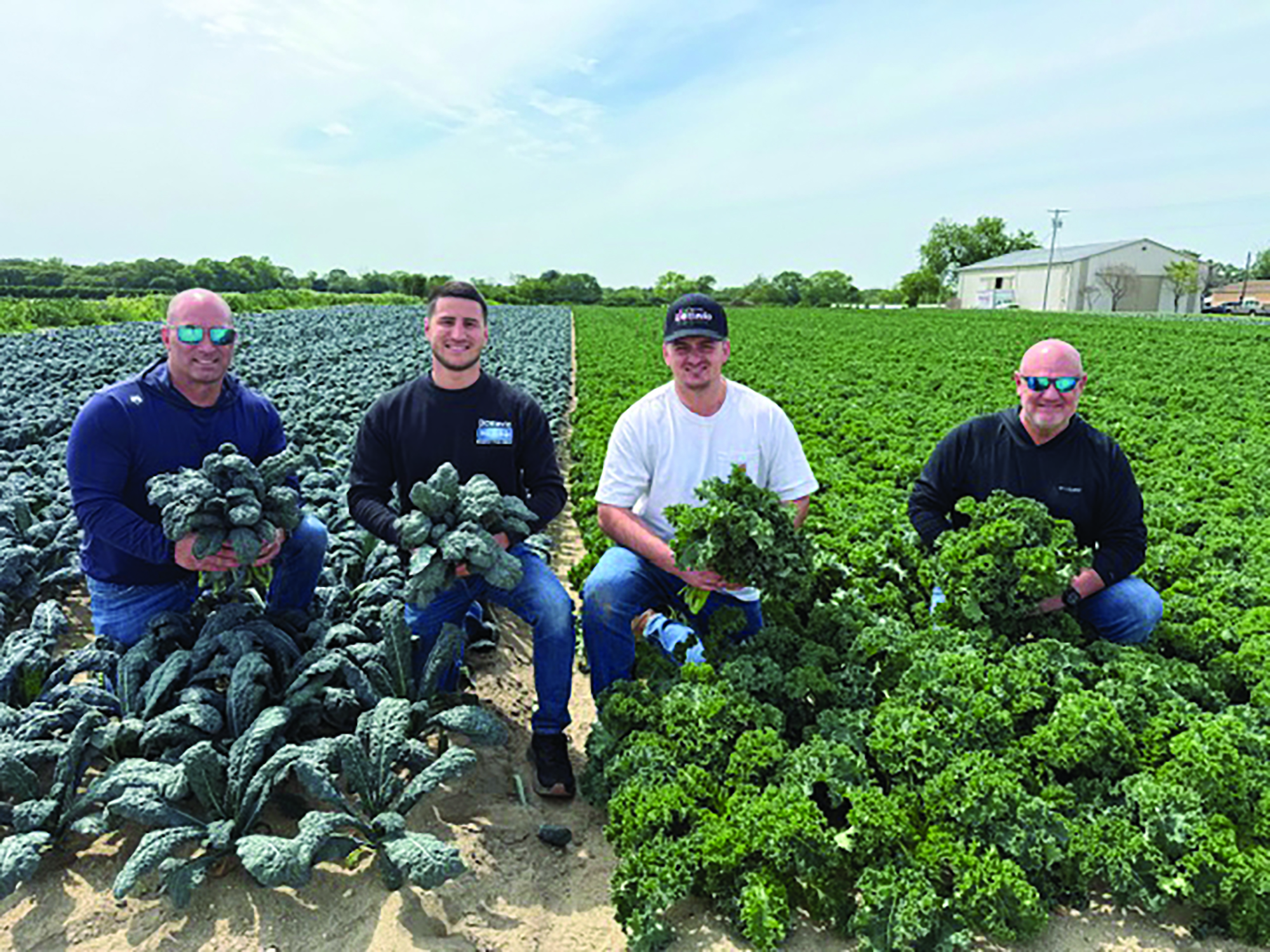
Vineland, NJ, are Mike D’Ottavio, Anthony D’Ottavio,
Dave Duquette and Jayson Duquette.
Other initiatives being focused on at D’Ottavio Farms is to continue to increase acreage to help meet the strong demand for wet vegetables such as romaine, leaf lettuce, Boston, escarole, chicory, cabbage, parsley, dill, cilantro, kale, Tuscan kale, Swiss chard, bunch beets, collards, bok choy and baby bok.
“On our homestead farm we will also have additional acreage of green Bell peppers, red and yellow Bells, poblanos, jalapenos, red fresnos, Anaheim’s, serranos, yellow hots, shishitos, habaneros, long hots, Cubans, eggplants, Indian eggs, Italian eggs, Dominican eggs, pole cucumbers, green and yellow squash, acorn, butternut, spaghetti, delicata squash and seedless watermelons,” he said. “And, new for this season in terms of organically, we will have jalapenos, red Fresno’s, Anaheim’s, serrano’s, long hots, poblanos and Cubans.”
D’Ottavio said other initiative include using a new type of plastic called reflective metalized film to help control insect pressure on the organic crops.
“This protects plants from disease infestation, keeping insects away by reflecting high intensity solar UV, which disorients and blinds insects,” he said. “This makes an unfriendly environment for insects forcing them to stay away from organic crops.”
The goal of the company, as a vertically integrated grower, wholesaler and trucking company is to give its customers the ability to load all their needs at one farm. “With a large diversity of products and our location to so many major cities we can harvest, precool, and have product to our customers that was harvested only hours ago,” D’Ottavio said. “My son, Anthony D’Ottavio, has developed a good following for organic herbs such as basil, thyme, sage, rosemary, mint, oregano, tarragon and chives.”
With a very strong demand last season D’Ottavio decided to increase the farm again for this year. “Adding our fully automated irrigation system along with planting on plastic to eliminate weeds, we will have supplies early this spring,” he noted.
Elevating social responsibility is at the top of the company’s list, including ensuring every worker is treated fairly and all workers have a voice.
“We are extremely excited to work together with Equitable Food Initiative and become certified for this upcoming season,” he added. “With the highest level of food-safety, state-of-the-art precooling, full traceability and our own dedicated trucking company we can ensure our customers that they are supporting a fifth-generation farm that will always stay ahead of all the changes in our industry and will continue to farm for many more generations to come.”