PRO*ACT Crop Update: Coastal California fields seeing some challenges
PRO*ACT Crop Update: Coastal California fields seeing some challenges

Spring's typical roller coaster temperatures look likely to continue across the coastal California fields as we move through April. As low pressure systems pass mainly to the north, they bring cooler temperatures along with a heavy marine layer and drizzle to the fields. The cooler temperatures will slow growth rates while increasing mold, mildew and disease pressure in these stands.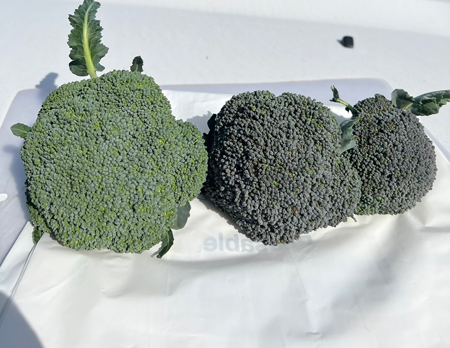
Broccoli production is currently showing some purple cast in the cold temperatures. Some customers have been inquiring about the cause of the purple cast on the crowns. Purpling can occur in broccoli under specific growing conditions. The physiological explanation is the plant’s management of nitrogen (fertilizer). There are a few things that can interfere with the plant’s ability to manage internal nitrogen. Cold weather is the number one cause of purpling in broccoli. Extreme moisture and heat can also lead to purpling along with the lack or excess of available soil nitrogen.
All of these conditions cause the enzymatic activity to slow down in the plant cell. The plants start to make red and yellow chlorophylls because they take less energy to produce. These chlorophylls are what give the plants their purple cast. The plant is simply being more efficient.
It is important to note that quality, shelf life and taste are not affected by this phenomenon. While cooking the bluish tint will fade and the broccoli will brighten with no impact on food safety or flavor.
With over 30 years in the produce industry, Tim Lynch started as an inspector and advanced into quality control and food safety. Beyond work, he's an avid sports fan, relishing in activities like boating, fishing, and diving. Originally from Hollywood, California, Tim attended Cal Poly SLO before making Marina his home since 1994.