The importance of being Fair Trade Certified
The importance of being Fair Trade Certified
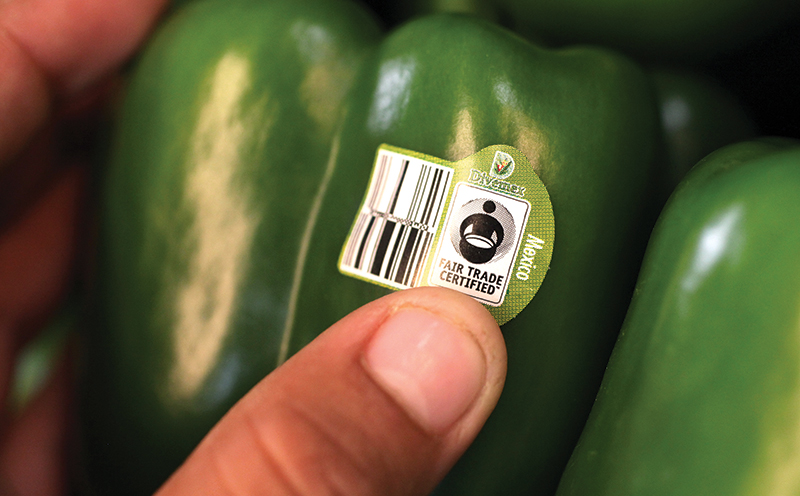
The Fair Trade Certified program in produce is one of the most reliable ways to build sustainability into supply chains, which is especially relevant in times of uncertainty.
“The sector is really challenged right now with tariffs, among other factors,” said Leslie Simmons, senior director of business development, fresh goods for Fair Trade USA. “Programs that invest in workers and environmental stewardship like ours have proven over time to create resiliency that leads to reliable supply and increased worker retention.”
The program focuses on promoting Fair Trade Certification to producers based on market opportunity.
“Getting certified takes a lot of work and resources and we don’t want to ask producers to make that investment if we are not confident in our ability to connect them with business opportunities that will ensure a return on that investment,” Simmons said.
For instance, Viva Organica in Mexico sells to several Fair Trade USA brand partners, including Wholesum.
In the past year, Viva Organica has used Fair Trade Community Development Funds to help provide free dental and eye care to more than 1,800 workers and their families.
It has also funded scholarships, which have supported around 200 children by covering internet fees, school supplies and enrollment costs, while 100 adult workers received scholarships to pursue primary or secondary education. Funding also helps reduce other financial burdens like household expenses, moving costs, funeral expenses and more.
Worker safety is also a priority of the Fair Trade USA model. For instance, Cirulli, a mango supplier in Mexico, uses community development funds to support cleaner and more secure packing sites, obtain safety harnesses for all harvesters, add railings to all stairways and increase access to fire extinguishers and first aid kits.
Starr Produce in Mexico is another certified farm where community development funds were used to provide medical care to 250 beneficiaries, including dental care, general medicine and eye care. Additionally, food access programs supported 250 families with vouchers for food staples, providing approximately $76,830 in assistance.
Currently, there is more than 60 percent consumer recognition of the Fair Trade Certified label in the U.S.
“We do a lot of activation with our partners during key moments of the year that help unlock not just consumer awareness but also brand loyalty and consumer understanding,” Simmons said. “Examples of this include Farm Worker Awareness Week when we have hosted webinars with business partners, our field staff and workers, promotion and campaign messaging guides and kits that are shared with all partner to activate during those moments, as well as partnering on social media to bring the value proposition and the voice of workers to our combined consumer audiences.”
The organization also encourages and supports business partners to tell its Fair Trade story. A great example of that is NatureSweet, which has added not just the label to its packaging but also includes the face and name of a worker along with a QR code that takes the consumer directly to a story of impact.
“When a business like NatureSweet makes that kind of investment, it really cements the importance of Fair Trade in the consumer’s mind,” Simmons said.
Fair Trade USA standards were designed to address worker rights and safety while also protecting the planet. Environmental requirements within the standards help protect access and quality of local resources.
For example, Finca Muelle, a certified pineapple farm that supplies to Dole, keeps up beekeeping operations on protected land. Even though pineapples don’t need to be pollinated by the bees, they contribute to the pollination of many other local plant species, which supports biodiversity and overall ecosystem health for surrounding areas.
Partnerships with retailers play a crucial role in amplifying the reach of Fair Trade Certified products.
“These collaborations help ensure that Fair Trade products are widely available to consumers, enhancing visibility and accessibility,” Simmons said. “Retailers benefit from offering Fair Trade Certified products as they align with growing consumer demand for ethically sourced and sustainable goods. This alignment helps build consumer loyalty and trust, as shoppers increasingly prefer brands that prioritize safety, ethics and sustainability.”