Trendspotting: IFPA requests exemption on proposed tariffs for produce and floral items
Trendspotting: IFPA requests exemption on proposed tariffs for produce and floral items
Barring another delay, on April 2 President Trump will impose a 25 percent tariff on goods from Canada and Mexico. These tariffs would obviously directly impact the produce industry.
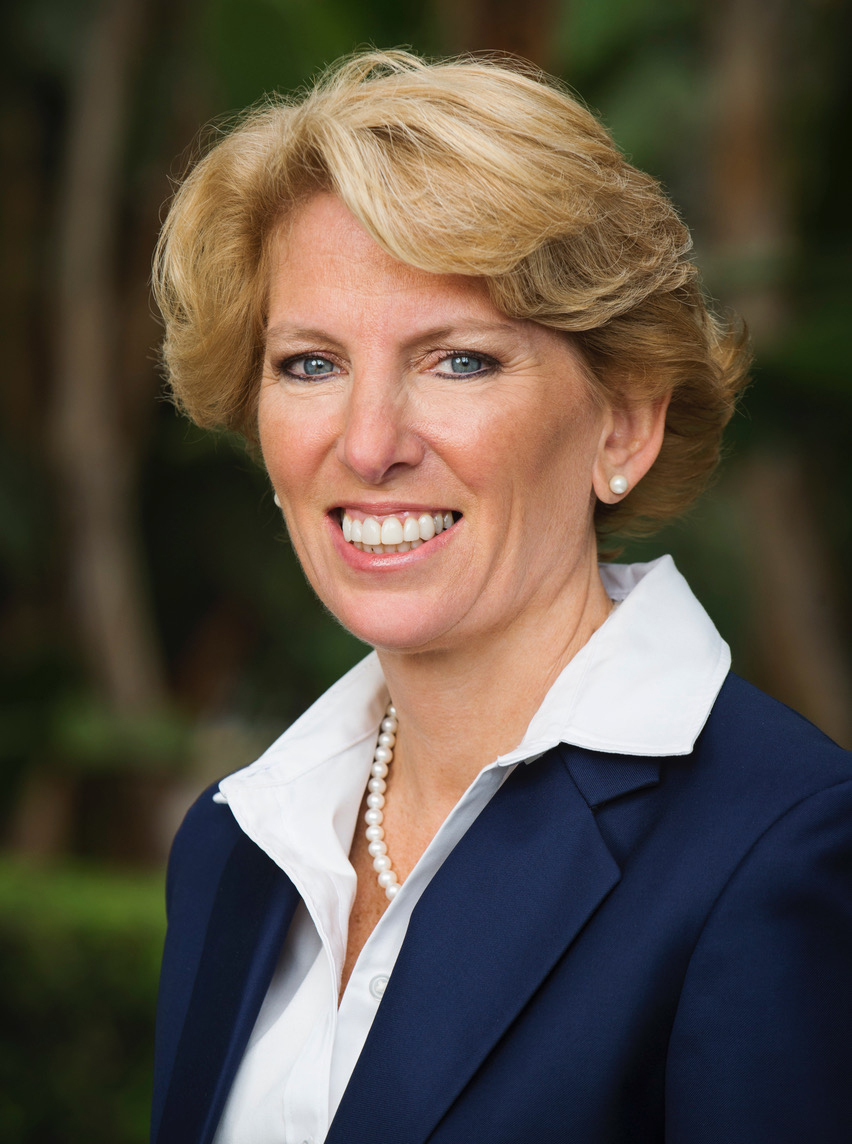
In anticipation of the expected tariffs the International Fresh Produce Association has reached out to the White House urging the administration to provide exemptions to fresh produce and floral products. In a March 27 letter to Trump administration officials IFPA warned “that proposed tariffs would drive up the cost of fresh fruits and vegetables.”
“The proposed U.S. tariffs and the resulting retaliatory actions of other nations threaten American consumers' ability to afford fresh produce and florals, as well as the stability and prosperity of the growers and businesses that supply them," said IFPA CEO Cathy Burns. "Higher prices mean consumers buy fewer of the fresh foods that hold the greatest potential to make Americans healthier. IFPA members respectfully urge the Trump administration to provide exemptions from new and future tariffs for fresh produce and florals.”
Burns’ letter also mentioned the limited ability to grow certain items domestically — such as tropical produce — due to growing conditions. “Where there are no domestic alternatives, a limited supply or seasonal considerations, U.S. growers and suppliers rely on imports to supplement domestic production and meet year-round demand for fruits and vegetables,” she wrote.
The letter also emphasized IFPA’s longstanding mission to create a healthier world.
“We believe that fresh, nutrient-rich foods are crucial to enhancing Americans' diets and improving their long-term health outcomes. Because tariffs will increase the cost of fresh fruits and vegetables, we believe — and history demonstrates — that higher prices mean consumers buy fewer of the foods that hold the greatest potential to make Americans healthier,” wrote Burns.