FPFC luncheon brings food safety into the spotlight
FPFC luncheon brings food safety into the spotlight
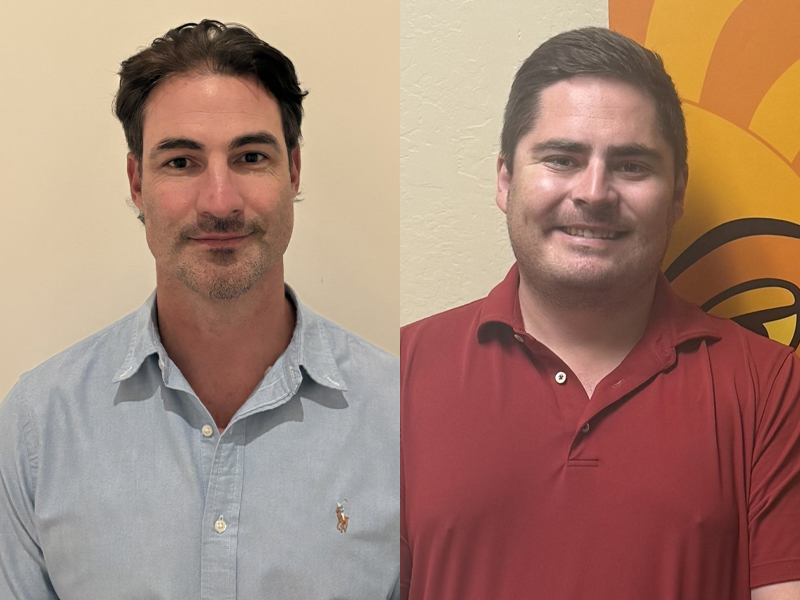
NORWALK, CA -- Food safety was the topic of discussion at the Fresh Produce & Floral Council membership luncheon, held here Oct. 1 at the Norwalk Marriott. Neil Checketts, senior director of food safety and food defense for Wal-Mart and the featured speaker at the event, spoke about a myriad of food safety topics that confront retailers, foodservice operators and consumers.
Mr. Checketts first focused upon risk factors for retailers. He said that Wal- Mart founder Sam Walton once said, "The bigger Wal-Mart gets, the more important it is that we think small."
Mr. Checketts said that the company does think small by focusing on food- safety practices at individual stores to make sure each store is properly safeguarding against food-borne pathogens. He added that retailers and foodservice companies need to be on the lookout for risks, such as cooking food at inadequate temperatures, improper sanitation of equipment, poor personal hygiene, such as improper employee hand washing techiques and coming to work sick.
Wal-Mart prohibits its employees from touching ready-to-eat food with their bare hands, he said.
Jin Ju Wilder of Coast Produce Co., who served as the emcee for the luncheon, then held a question-and-answer session with Mr. Checketts. Topics ranged from Wal-Mart's local growing programs to Global Food Safety Initiative standards, irradiated produce, traceability issues and educating the consumer about food safety.
When it comes to traceability, Mr. Checketts said that it comes down to where the product was grown as well as the success of public health agencies success in tracking down the source of an outbreak. "That can take a great deal of time," he said.
The consumer is also an important cog in the food safety chain, said Mr. Checketts, who added that everyone from the grower to the shipper to the retailer can be diligent about food-safety throughout the food chain, but "if a consumer buys a cantaloupe and puts it in his car for six hours, there is nothing we can do. We are looking at methods to help educate the consumer."
Mr. Checketts first focused upon risk factors for retailers. He said that Wal- Mart founder Sam Walton once said, "The bigger Wal-Mart gets, the more important it is that we think small."
Mr. Checketts said that the company does think small by focusing on food- safety practices at individual stores to make sure each store is properly safeguarding against food-borne pathogens. He added that retailers and foodservice companies need to be on the lookout for risks, such as cooking food at inadequate temperatures, improper sanitation of equipment, poor personal hygiene, such as improper employee hand washing techiques and coming to work sick.
Wal-Mart prohibits its employees from touching ready-to-eat food with their bare hands, he said.
Jin Ju Wilder of Coast Produce Co., who served as the emcee for the luncheon, then held a question-and-answer session with Mr. Checketts. Topics ranged from Wal-Mart's local growing programs to Global Food Safety Initiative standards, irradiated produce, traceability issues and educating the consumer about food safety.
When it comes to traceability, Mr. Checketts said that it comes down to where the product was grown as well as the success of public health agencies success in tracking down the source of an outbreak. "That can take a great deal of time," he said.
The consumer is also an important cog in the food safety chain, said Mr. Checketts, who added that everyone from the grower to the shipper to the retailer can be diligent about food-safety throughout the food chain, but "if a consumer buys a cantaloupe and puts it in his car for six hours, there is nothing we can do. We are looking at methods to help educate the consumer."