Southeast Produce Council elects new officers at its annual fall conference
Southeast Produce Council elects new officers at its annual fall conference
YOUNG HARRIS, GA -- Close to 200 people gathered Sept. 25-27 for the Southeast Produce Council's 2008 fall conference, highlighted by the election of new officers, a workshop on the state of the economy, a golf tournament and plenty of social networking events.
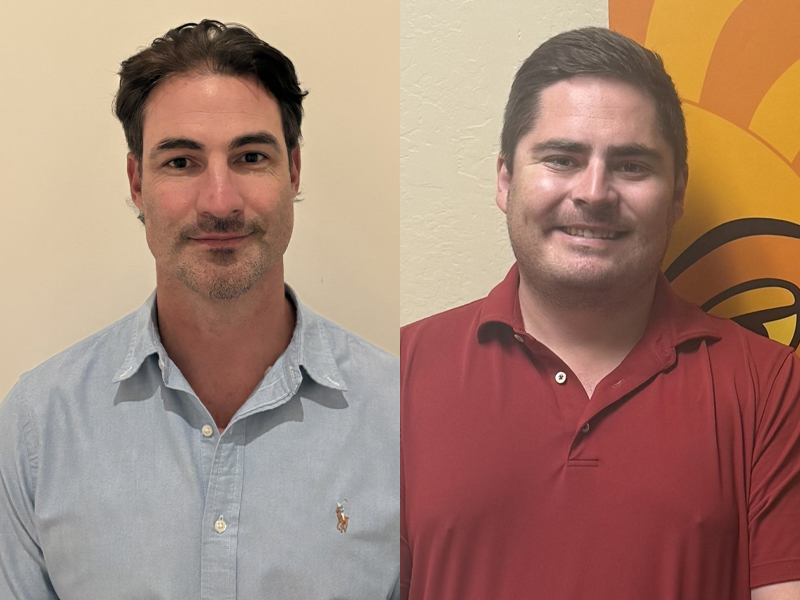
The new officers and full board of directors were introduced Friday evening, Sept. 26, at the president's dinner dance: President Tom Page of Supervalu Inc., Vice President John Shuman of Shuman Produce and Secretary Andrew Scott of General Produce Co. David Sherrod of Apio Inc. was elected SPC treasurer but was not in attendance, as his wife had given birth to their first daughter the day before the dinner dance.
Also at the dinner dance, outgoing President Al Finch of Diversified Citrus Marketing gave a State of the Council address, a first.
With slides to help tell the story, Mr. Finch noted that the council's first meeting was held nine years ago at the Atlanta State Farmer's Market. The membership has grown to 240 individual members and 67 corporate memberships, leading to over 500 members and growing. "This is an outstanding achievement, considering the length of our existence," he said.
He noted that the fall conference grew out of the Ken Lanhardt Memorial Golf Tournament, which honors one of the founding members of the council and is "one of the reasons why the council has grown into the organization is it today." He then asked Mr. Lanhardt's daughter to stand and be recognized by the crowd.
Mr. Finch noted the growth of the council's annual conference and expo in the winter, beginning with the first in March 2004 in Lakeland, FL, through the 2008 event, now known as Southern Exposure, in Orlando, FL, which saw record levels of retailer and foodservice attendance in 2008. The council will celebrate its 10th anniversary at both Southern Exposure 2009, set for March 5-7 in Tampa, FL, and at its 2009 fall conference, set for Nov. 5-7 in Braselton, GA.
Along with the council's growth, Mr. Finch noted that Angela Clark was hired recently to assist Executive Director Terry Vorhees at the SPC office in Riverview, FL, allowing Mr. Vorhees more time to visit council members.
Mr. Finch also talked a bit about some of the programs in which the council is involved, including the South Carolina Expanded Food & Nutrition Education Program, known as EFNEP, and the Produce for Kids program. Mr. Finch then presented a check for $10,000 from the council to Kim Lathbury, marketing manager of Produce for Kids, as a show of support.
Some attendees also chose to visit the Crane Creek Vineyard Saturday, Sept. 27.
Another highlight of the conference, held at the Brasstown Valley Resort here in northern Georgia, was a workshop entitled "Surviving in Today's Economy," moderated by Ronnie L. De La Cruz. On the panel were Todd Hale, senior vice president of consumer insights at The Nielsen Co.; Brian Rayfield, vice president of sales and marketing at J&J Produce; Mark Petersen, general manager of produce at C.H. Robinson Worldwide; Mike Kemp, director of perishables at Save-a-Lot Stores; Steve Williams, director of produce and floral at Sweetbay Supermarkets; and Bob Massave, president of Fresh Point Atlanta.
Mr. Hale said that value, variety and convenience are all driving retail sales by consumers. "Consumers are being squeezed" by rising costs for even bare necessities such as fuel oil and gasoline, as well as for food items such as fruits, vegetables and cereals.
More consumers are staying home during this period of economic uncertainty, which could be good for the grocery industry but not so good for restaurants, he noted.
Consumers are also expected to cut back on many items, he said, but it seems that so far at least, produce is far down on that list. They are, however, shifting to less expensive outlets to purchase their produce, such as clubstores, dollar stores (which are carrying more food than ever before) and supercenters. They are also using more coupons: traditional newspaper flyer coupons, on-line coupons and new media coupons such as those delivered right to cellphones.
Mr. Rayfield told those assembled that the economic downturn has led some grower-shippers to reduce acreage. It also has led to a "regionality of farming," which goes hand in hand with the trend toward more locally grown produce.
In fact, having more regions of the country grow similar items may help reduce transportation costs and may allow distributors to offer more items on a year-round basis.
Mr. Petersen noted that the cost of goods is higher in today's environment, especially anything to do with fuel. Consumers are demanding fresher product, so there is pressure to deliver goods more quickly.
Mr. Kemp noted that the Save-a-Lot stores are known for fewer frills, smaller stores, an edited assortment and self-service, among other things. To help survive in today's economy, he said that Save-a-Lot uses regional procurement, which reduces freight costs and helps to promote local deals. It also carries fewer SKUs by far than traditional supermarkets and prides itself on clean, friendly conditions at all its outlets.
Mr. Williams said that fuel, transportation and Mother Nature all affect the cost of goods. He noted that some consumers are buying more canned and frozen vegetables due to the belief that they are less expensive than fresh. Within the produce department, he said that consumers are "trading down" during these uncertain economic times, choosing green peppers over more expensive colored peppers, for example, or choosing traditional tomatoes over heirloom tomatoes.
Floral sales are also declining because flowers are not "something consumers have to have," he said. Consumers are paying more attention to promotional items, he said, noting that sales on circular-advertised items are up. "Don't be scared to promote if you have the right product," he advised.
Sweetbay still wants "unsurpassed quality" and won't settle for less, even during these times of economic downturn, he said.
Additionally, Sweetbay is lowering transportation costs by taking advantage of local growing opportunities, he said, for example by staying with Eastern melons and Eastern broccoli as long as the quality remains high.
Mr. Massive said that Fresh Point is "very attentive" to lowering costs and looking at all areas to achieve that. For example, some deliveries are being done at night, where feasible, when traffic is lighter and thus more efficient. Some trucks are being urged to lower their speed for better gas mileage.
"Each fall conference has a workshop," Mr. Vorhees told The Produce News a few days after the event. "Without question, in my opinion, this one was pretty timely. I think it's the best one we've ever done."
Mr. Vorhees was pleased with all aspects of this fall conference. The 200 or so attendees were up from last year's figure of about 160, he said, adding, "I think we had record retail attendance" this year. And the rustic venue and relaxed atmosphere gave attendees a chance "to really wind down" and "reduce their stress level" so that they could fully enjoy the mix of business and social events that always mark the fall conference.
The new officers and full board of directors were introduced Friday evening, Sept. 26, at the president's dinner dance: President Tom Page of Supervalu Inc., Vice President John Shuman of Shuman Produce and Secretary Andrew Scott of General Produce Co. David Sherrod of Apio Inc. was elected SPC treasurer but was not in attendance, as his wife had given birth to their first daughter the day before the dinner dance.
Also at the dinner dance, outgoing President Al Finch of Diversified Citrus Marketing gave a State of the Council address, a first.
With slides to help tell the story, Mr. Finch noted that the council's first meeting was held nine years ago at the Atlanta State Farmer's Market. The membership has grown to 240 individual members and 67 corporate memberships, leading to over 500 members and growing. "This is an outstanding achievement, considering the length of our existence," he said.
He noted that the fall conference grew out of the Ken Lanhardt Memorial Golf Tournament, which honors one of the founding members of the council and is "one of the reasons why the council has grown into the organization is it today." He then asked Mr. Lanhardt's daughter to stand and be recognized by the crowd.
Mr. Finch noted the growth of the council's annual conference and expo in the winter, beginning with the first in March 2004 in Lakeland, FL, through the 2008 event, now known as Southern Exposure, in Orlando, FL, which saw record levels of retailer and foodservice attendance in 2008. The council will celebrate its 10th anniversary at both Southern Exposure 2009, set for March 5-7 in Tampa, FL, and at its 2009 fall conference, set for Nov. 5-7 in Braselton, GA.
Along with the council's growth, Mr. Finch noted that Angela Clark was hired recently to assist Executive Director Terry Vorhees at the SPC office in Riverview, FL, allowing Mr. Vorhees more time to visit council members.
Mr. Finch also talked a bit about some of the programs in which the council is involved, including the South Carolina Expanded Food & Nutrition Education Program, known as EFNEP, and the Produce for Kids program. Mr. Finch then presented a check for $10,000 from the council to Kim Lathbury, marketing manager of Produce for Kids, as a show of support.
Some attendees also chose to visit the Crane Creek Vineyard Saturday, Sept. 27.
Another highlight of the conference, held at the Brasstown Valley Resort here in northern Georgia, was a workshop entitled "Surviving in Today's Economy," moderated by Ronnie L. De La Cruz. On the panel were Todd Hale, senior vice president of consumer insights at The Nielsen Co.; Brian Rayfield, vice president of sales and marketing at J&J Produce; Mark Petersen, general manager of produce at C.H. Robinson Worldwide; Mike Kemp, director of perishables at Save-a-Lot Stores; Steve Williams, director of produce and floral at Sweetbay Supermarkets; and Bob Massave, president of Fresh Point Atlanta.
Mr. Hale said that value, variety and convenience are all driving retail sales by consumers. "Consumers are being squeezed" by rising costs for even bare necessities such as fuel oil and gasoline, as well as for food items such as fruits, vegetables and cereals.
More consumers are staying home during this period of economic uncertainty, which could be good for the grocery industry but not so good for restaurants, he noted.
Consumers are also expected to cut back on many items, he said, but it seems that so far at least, produce is far down on that list. They are, however, shifting to less expensive outlets to purchase their produce, such as clubstores, dollar stores (which are carrying more food than ever before) and supercenters. They are also using more coupons: traditional newspaper flyer coupons, on-line coupons and new media coupons such as those delivered right to cellphones.
Mr. Rayfield told those assembled that the economic downturn has led some grower-shippers to reduce acreage. It also has led to a "regionality of farming," which goes hand in hand with the trend toward more locally grown produce.
In fact, having more regions of the country grow similar items may help reduce transportation costs and may allow distributors to offer more items on a year-round basis.
Mr. Petersen noted that the cost of goods is higher in today's environment, especially anything to do with fuel. Consumers are demanding fresher product, so there is pressure to deliver goods more quickly.
Mr. Kemp noted that the Save-a-Lot stores are known for fewer frills, smaller stores, an edited assortment and self-service, among other things. To help survive in today's economy, he said that Save-a-Lot uses regional procurement, which reduces freight costs and helps to promote local deals. It also carries fewer SKUs by far than traditional supermarkets and prides itself on clean, friendly conditions at all its outlets.
Mr. Williams said that fuel, transportation and Mother Nature all affect the cost of goods. He noted that some consumers are buying more canned and frozen vegetables due to the belief that they are less expensive than fresh. Within the produce department, he said that consumers are "trading down" during these uncertain economic times, choosing green peppers over more expensive colored peppers, for example, or choosing traditional tomatoes over heirloom tomatoes.
Floral sales are also declining because flowers are not "something consumers have to have," he said. Consumers are paying more attention to promotional items, he said, noting that sales on circular-advertised items are up. "Don't be scared to promote if you have the right product," he advised.
Sweetbay still wants "unsurpassed quality" and won't settle for less, even during these times of economic downturn, he said.
Additionally, Sweetbay is lowering transportation costs by taking advantage of local growing opportunities, he said, for example by staying with Eastern melons and Eastern broccoli as long as the quality remains high.
Mr. Massive said that Fresh Point is "very attentive" to lowering costs and looking at all areas to achieve that. For example, some deliveries are being done at night, where feasible, when traffic is lighter and thus more efficient. Some trucks are being urged to lower their speed for better gas mileage.
"Each fall conference has a workshop," Mr. Vorhees told The Produce News a few days after the event. "Without question, in my opinion, this one was pretty timely. I think it's the best one we've ever done."
Mr. Vorhees was pleased with all aspects of this fall conference. The 200 or so attendees were up from last year's figure of about 160, he said, adding, "I think we had record retail attendance" this year. And the rustic venue and relaxed atmosphere gave attendees a chance "to really wind down" and "reduce their stress level" so that they could fully enjoy the mix of business and social events that always mark the fall conference.