Traceback worked as it should after Salmonella find on avocados
Traceback worked as it should after Salmonella find on avocados
If the handling of the Salmonella Saintpaul outbreak by the U.S. Food & Drug Administration and the U.S. Centers for Disease Control & Prevention several weeks ago was the fiasco that many in the industry claim it has been, the way state agencies in North Carolina and Texas and APEAM, the association of avocado growers in Michoacan, Mexico, handled a more recent detection of an unrelated strain of salmonella on avocados in a Charlotte, NC, warehouse is seen by some as a model of competency.
A traceback was completed quickly, the specific lots of product involved were recalled and, according to an FDA press release dated July 19, no illnesses associated with the recalled produce had yet been reported.
The Salmonella detection was made public when the North Carolina Department of Health & Human Services announced in a July 17 press release that the department, in conjunction with state agricultural officials, had asked a Charlotte food distributor to recall Jalape?o peppers and Hass avocados it had received from a specific Texas food supply company because of possible Salmonella contamination after two samples from the distributor in Charlotte tested positive for the bacteria.
Fortunately, traceback protocols were in place throughout the distribution system.
"Within an hour after hearing the news about the recall, we were able to do the whole traceback," Francisco Luna, executive director of APEAM, told The Produce News July 23. "We were able to pinpoint the distributor in North Carolina, the distributor [Grande Produce] in Hidalgo, Texas, the packinghouse here in Mexico, and the orchard where the fruit came from. It worked without a flaw.
"We are very confident of how our traceback system has worked, and I think it should be something that the rest of the produce industry should get to achieve in order to better contain this type of possible occurrence," Mr. Luna added.
The Texas Department of State Health Services ran tests on produce samples from the Grande Produce warehouse in Hidalgo, TX, which had supplied the Charlotte, NC, distributor with peppers and avocados, and found Salmonella on Jalape?o and Serrano peppers but not on avocados. Grande Produce immediately undertook a voluntary recall of its peppers and its avocados.
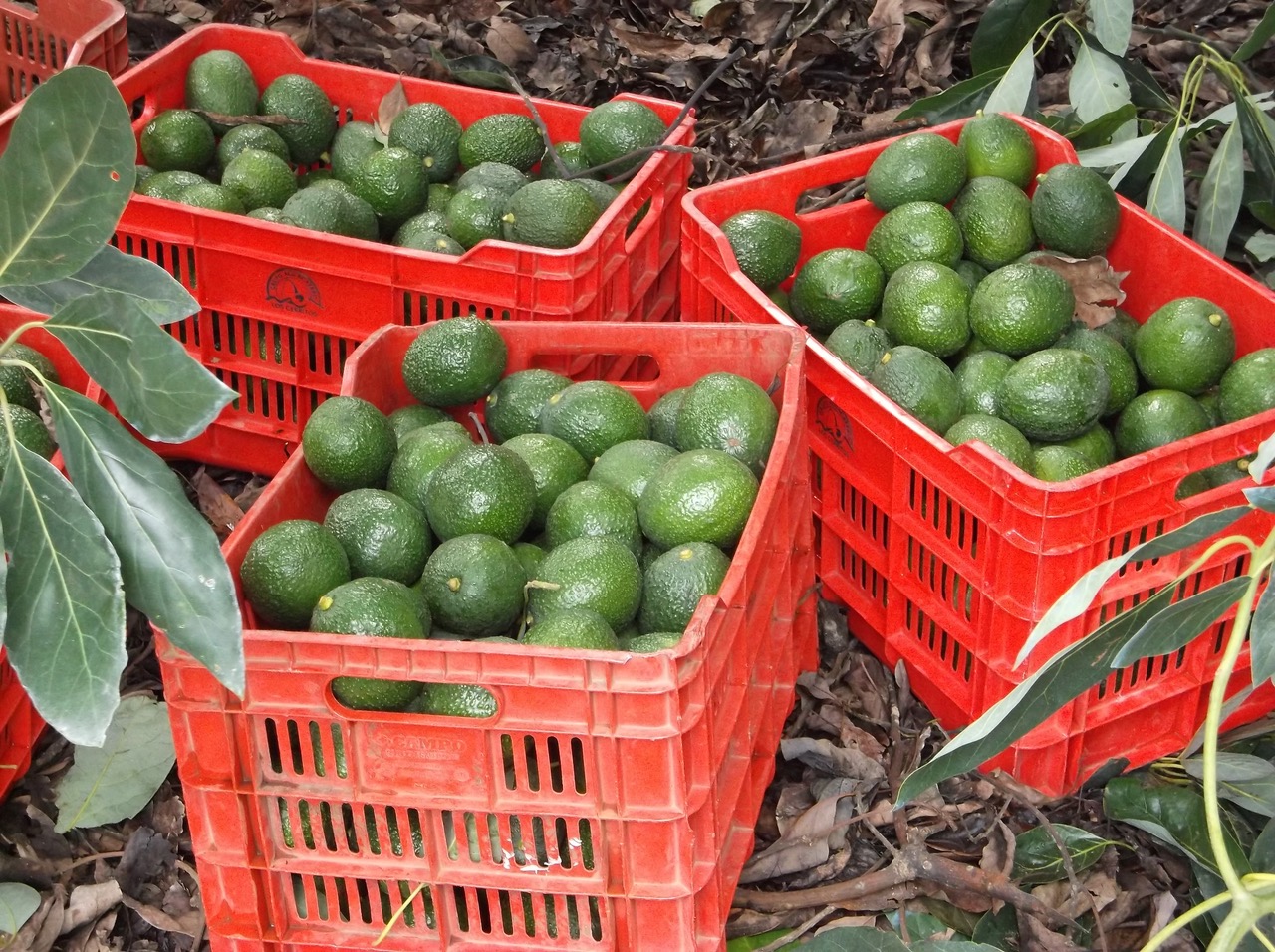
The recall is being overseen by the department and the FDA. The recalled avocados were shipped in boxes labeled Frutas Finas de Tancitaro Hass Avocados, Produce of Mexico, lot number HUE08160090889, according to the FDA.
Texas health department officials said in a July 17 press release that "the Salmonella strain found in the peppers is not the strain responsible for the nationwide outbreak of Salmonellosis over the past two months." The release said that the department and the FDA "are working to identify & where and how the recalled produce was contaminated," whether in the production area, in transit or at the warehouse in Hidalgo.
"We are investigating all aspects of the situation, and it does not seem plausible that the fruit could have been contaminated before it reached the U.S. distributor," APEAM Representative Emiliano Escobedo said in a prepared statement dated July 21.
Some 70 products "were tested for Salmonella at Grande Produce, and avocados were not found to be contaminated," Mr. Escobedo said in the statement. "Officials in Texas also said the findings and subsequent recall are limited" to avocados and the two specific pepper products from Grande Produce only and "do not apply to all avocados, serranos and jalape?os on the market" or to products from other distributors.
Mr. Luna told The Produce News that the orchard and packinghouse in Mexico from which the recalled avocados originated have food-safety programs and good agricultural practices in place, "and they are certified by our national standards of food safety and plant health."
He said that there is "a comprehensive phytosanitary program in place [in Mexico] with a lot of restrictions for growing and handling avocados," and that the industry follows "a very strict protocol & to minimize all the risks involved in the industry."
The Mexican government has a protocol in place to be followed "whenever there is an outbreak" of a foodborne illness, he said. In this case, "there is not an outbreak," but even so, the protocol has been implemented. "We are investigating the orchard and the packinghouse & just as a cautionary measure."
A traceback was completed quickly, the specific lots of product involved were recalled and, according to an FDA press release dated July 19, no illnesses associated with the recalled produce had yet been reported.
The Salmonella detection was made public when the North Carolina Department of Health & Human Services announced in a July 17 press release that the department, in conjunction with state agricultural officials, had asked a Charlotte food distributor to recall Jalape?o peppers and Hass avocados it had received from a specific Texas food supply company because of possible Salmonella contamination after two samples from the distributor in Charlotte tested positive for the bacteria.
Fortunately, traceback protocols were in place throughout the distribution system.
"Within an hour after hearing the news about the recall, we were able to do the whole traceback," Francisco Luna, executive director of APEAM, told The Produce News July 23. "We were able to pinpoint the distributor in North Carolina, the distributor [Grande Produce] in Hidalgo, Texas, the packinghouse here in Mexico, and the orchard where the fruit came from. It worked without a flaw.
"We are very confident of how our traceback system has worked, and I think it should be something that the rest of the produce industry should get to achieve in order to better contain this type of possible occurrence," Mr. Luna added.
The Texas Department of State Health Services ran tests on produce samples from the Grande Produce warehouse in Hidalgo, TX, which had supplied the Charlotte, NC, distributor with peppers and avocados, and found Salmonella on Jalape?o and Serrano peppers but not on avocados. Grande Produce immediately undertook a voluntary recall of its peppers and its avocados.
The recall is being overseen by the department and the FDA. The recalled avocados were shipped in boxes labeled Frutas Finas de Tancitaro Hass Avocados, Produce of Mexico, lot number HUE08160090889, according to the FDA.
Texas health department officials said in a July 17 press release that "the Salmonella strain found in the peppers is not the strain responsible for the nationwide outbreak of Salmonellosis over the past two months." The release said that the department and the FDA "are working to identify & where and how the recalled produce was contaminated," whether in the production area, in transit or at the warehouse in Hidalgo.
"We are investigating all aspects of the situation, and it does not seem plausible that the fruit could have been contaminated before it reached the U.S. distributor," APEAM Representative Emiliano Escobedo said in a prepared statement dated July 21.
Some 70 products "were tested for Salmonella at Grande Produce, and avocados were not found to be contaminated," Mr. Escobedo said in the statement. "Officials in Texas also said the findings and subsequent recall are limited" to avocados and the two specific pepper products from Grande Produce only and "do not apply to all avocados, serranos and jalape?os on the market" or to products from other distributors.
Mr. Luna told The Produce News that the orchard and packinghouse in Mexico from which the recalled avocados originated have food-safety programs and good agricultural practices in place, "and they are certified by our national standards of food safety and plant health."
He said that there is "a comprehensive phytosanitary program in place [in Mexico] with a lot of restrictions for growing and handling avocados," and that the industry follows "a very strict protocol & to minimize all the risks involved in the industry."
The Mexican government has a protocol in place to be followed "whenever there is an outbreak" of a foodborne illness, he said. In this case, "there is not an outbreak," but even so, the protocol has been implemented. "We are investigating the orchard and the packinghouse & just as a cautionary measure."