Gourmet Mushrooms Inc. extends its organic line
Gourmet Mushrooms Inc. extends its organic line
Gourmet Mushrooms Inc. in Sebastopol, CA, grower of the "Mycopia" brand of organic specialty mushrooms, has concluded agreements with two other Pacific Coast growers and now offers an all-organic program to its customers.
Gourmet Mushrooms' five varieties of specialty mushrooms are now complemented by organically grown Shiitake and Maitake. The company's own varieties have been certified-organic since 2003. Bob Engel, director of marketing, believes that customers are becoming familiar with and demanding a wider range of organic varieties.
"Importers go to the Amazon forest to search out exotic new berries," Mr. Engel said in a press release. "But we have dozens of possibilities for new mushrooms at hand if we can only discover how to grow them successfully."
When the company's newest mushroom, the Nebrodini Bianco, begins harvesting in the fall, it will bring to seven the number of different organic specialty varieties the company will have available. The fastest-growing segment of the mushroom market is the specialty varieties. This demand is spurred by chefs at fine-dining restaurants looking for new ingredients and is fed by crossover purchases from consumers at high-end grocers.
In addition to growing its own mushrooms organically and sourcing organically grown Shiitake and Maitake, the company encourages the foragers from whom it buys wild-harvested mushrooms to use sustainable techniques. This effort is typified by the motto of one of its suppliers, Mendocino Mushrooms: "Forest use without abuse." Careful forest use includes principles that minimize the effect on the environment while maximizing the potential for future harvests.
The types of mushrooms that Gourmet Mushrooms grows are not produced on manure, as are button and Portabella mushrooms. The growing medium, or substrate, is composed instead of sawdust. This hardwood sawdust is a byproduct of milling and furniture making. Wood is the most natural food for the mushrooms, since in nature their task would be to break down the cellulose created by vegetative plants. According to Mr. Engel, growing mushrooms on wood means that these specialty varieties, such as Gourmet Mushrooms' Trumpet Royale and Velvet Pioppini, express the most natural flavors and the highest quality.
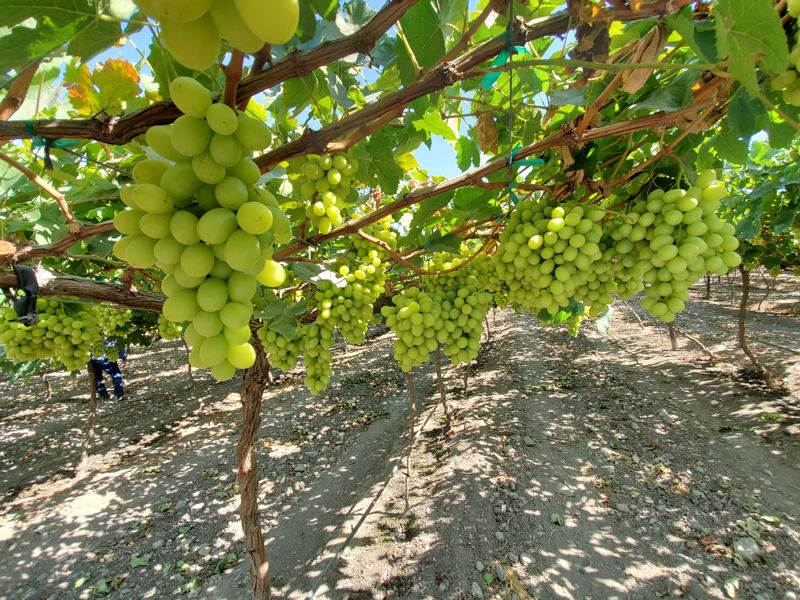
Gourmet Mushrooms' commitment to sustainability means that the spent substrate left over from growing the mushrooms is composted and returned to the soil. For the past eight years, this has meant that the compost is trucked across the driveway to the company's neighbor, Merry Edwards, where she uses the compost to top-dress the grape vines in the Coppersmith Vineyard -- another great way to pair mushrooms and Pinot Noir.
Gourmet Mushrooms Inc. sells its organically grown varieties to chefs and fine food wholesalers nationwide. In retail stores, its mushrooms are packed under the "Mycopia" brand.
Gourmet Mushrooms' five varieties of specialty mushrooms are now complemented by organically grown Shiitake and Maitake. The company's own varieties have been certified-organic since 2003. Bob Engel, director of marketing, believes that customers are becoming familiar with and demanding a wider range of organic varieties.
"Importers go to the Amazon forest to search out exotic new berries," Mr. Engel said in a press release. "But we have dozens of possibilities for new mushrooms at hand if we can only discover how to grow them successfully."
When the company's newest mushroom, the Nebrodini Bianco, begins harvesting in the fall, it will bring to seven the number of different organic specialty varieties the company will have available. The fastest-growing segment of the mushroom market is the specialty varieties. This demand is spurred by chefs at fine-dining restaurants looking for new ingredients and is fed by crossover purchases from consumers at high-end grocers.
In addition to growing its own mushrooms organically and sourcing organically grown Shiitake and Maitake, the company encourages the foragers from whom it buys wild-harvested mushrooms to use sustainable techniques. This effort is typified by the motto of one of its suppliers, Mendocino Mushrooms: "Forest use without abuse." Careful forest use includes principles that minimize the effect on the environment while maximizing the potential for future harvests.
The types of mushrooms that Gourmet Mushrooms grows are not produced on manure, as are button and Portabella mushrooms. The growing medium, or substrate, is composed instead of sawdust. This hardwood sawdust is a byproduct of milling and furniture making. Wood is the most natural food for the mushrooms, since in nature their task would be to break down the cellulose created by vegetative plants. According to Mr. Engel, growing mushrooms on wood means that these specialty varieties, such as Gourmet Mushrooms' Trumpet Royale and Velvet Pioppini, express the most natural flavors and the highest quality.
Gourmet Mushrooms' commitment to sustainability means that the spent substrate left over from growing the mushrooms is composted and returned to the soil. For the past eight years, this has meant that the compost is trucked across the driveway to the company's neighbor, Merry Edwards, where she uses the compost to top-dress the grape vines in the Coppersmith Vineyard -- another great way to pair mushrooms and Pinot Noir.
Gourmet Mushrooms Inc. sells its organically grown varieties to chefs and fine food wholesalers nationwide. In retail stores, its mushrooms are packed under the "Mycopia" brand.