FDA expands probe beyond tomatoes as Salmonella cases continue
FDA expands probe beyond tomatoes as Salmonella cases continue
WASHINGTON -- The Salmonella outbreak investigation that has fingered tomatoes for a month just took an unusual turn when federal health officials acknowledged that they are "expanding the investigation" to other produce items commonly served with tomatoes.
Over the weekend of June 28-29, federal health officials agreed to take a new tact after some people who ate at a common restaurant and became ill did not recall eating tomatoes. Combined with the fact that new cases were reported as of June 20 and that the traceback is not converging on a single tomato source or a single distribution point, federal health officials opted to take another look at their assumptions.
"FDA is expanding the investigation to look at additional produce items commonly served with tomatoes," David Acheson, the Food & Drug Administration's associate commissioner for foods, said in a July 1 call with reporters.
Tomatoes are still the lead suspect, he said, and the agency recommends that people keep following FDA's original consumer advisory about eating only certain tomatoes from safe growing regions. But the agency's consumer message is likely to become muddied now that other ingredients are under suspicion.
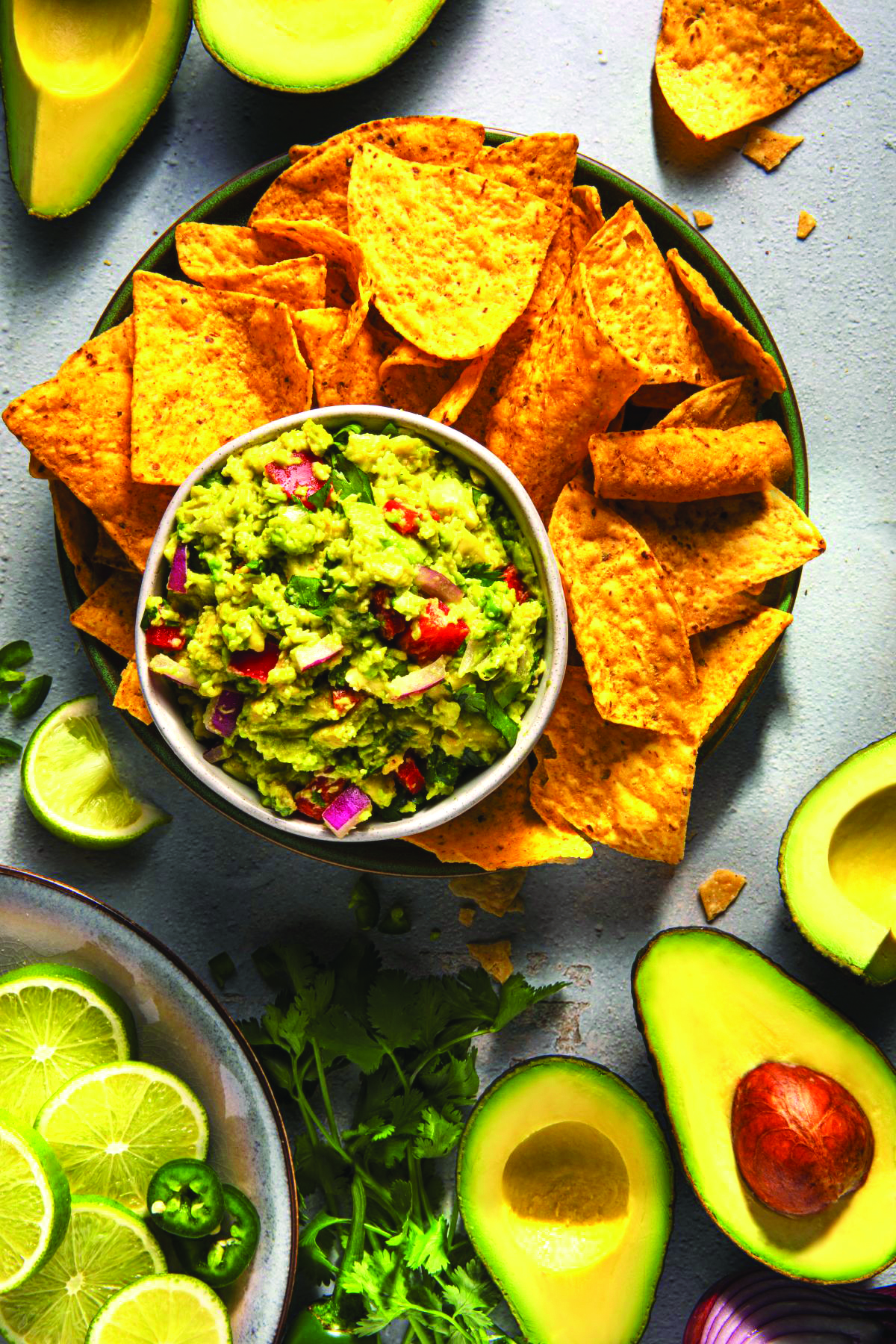
Dr. Acheson said that "it would be irresponsible to name the other ingredients," but it's likely the common ingredients found in salsa are under renewed scrutiny.
New Mexico health officials, who were one of the very early ones to link tomatoes to the outbreak, fired off a press release after the FDA press call reminding consumers to eat only certain tomatoes, though noting that FDA was looking at other salsa ingredients.
"It's important for you to eat tomatoes only if you know they came from a safe source," said New Mexico Health Secretary Alfredo Vigil. "Federal investigators are being prudent in considering other food items as possibly linked to the Salmonella outbreak."
Dr. Vigil added, "There could be other food involved in this outbreak, but evidence from sick patients also still point[s] to tomatoes. These types of investigations are very difficult because people may not be aware of all the ingredients in foods or remember all the food items they ate."
Dr. Acheson said that the federal investigation is looking into other produce items that might have traveled through the same distribution channels as tomatoes or possibly was grown on or adjacent to farms that also grow tomatoes and used contaminated water.
The Centers for Disease Control & Prevention is launching a new, multi-state study comparing where and what people ate for those who became ill after June 1. As of June 30, 869 people were infected with Salmonella Saintpaul and 107 were hospitalized.
By expanding the scope of the investigation, Dr. Acheson said that the agency would be activating an emergency laboratory program so that FDA can tap state labs as it increases testing of tomatoes and other ingredients.
In response to growing criticisms about FDA's inability to identify a source, Dr. Acheson said, "We need to ask ourselves how to reduce the likelihood of a repeat in the future."
The agency is considering starting a task force that would fully coordinate state, local and federal health officials in outbreak investigations, he said.
But he also pointed the finger at the produce industry and its responsibility to make sure food is safe. The pace of combing through stacks of paper records kept by tomato companies is "frustratingly slow," he said. These records should be electronic to enhance traceability, he added.
Over the weekend of June 28-29, federal health officials agreed to take a new tact after some people who ate at a common restaurant and became ill did not recall eating tomatoes. Combined with the fact that new cases were reported as of June 20 and that the traceback is not converging on a single tomato source or a single distribution point, federal health officials opted to take another look at their assumptions.
"FDA is expanding the investigation to look at additional produce items commonly served with tomatoes," David Acheson, the Food & Drug Administration's associate commissioner for foods, said in a July 1 call with reporters.
Tomatoes are still the lead suspect, he said, and the agency recommends that people keep following FDA's original consumer advisory about eating only certain tomatoes from safe growing regions. But the agency's consumer message is likely to become muddied now that other ingredients are under suspicion.
Dr. Acheson said that "it would be irresponsible to name the other ingredients," but it's likely the common ingredients found in salsa are under renewed scrutiny.
New Mexico health officials, who were one of the very early ones to link tomatoes to the outbreak, fired off a press release after the FDA press call reminding consumers to eat only certain tomatoes, though noting that FDA was looking at other salsa ingredients.
"It's important for you to eat tomatoes only if you know they came from a safe source," said New Mexico Health Secretary Alfredo Vigil. "Federal investigators are being prudent in considering other food items as possibly linked to the Salmonella outbreak."
Dr. Vigil added, "There could be other food involved in this outbreak, but evidence from sick patients also still point[s] to tomatoes. These types of investigations are very difficult because people may not be aware of all the ingredients in foods or remember all the food items they ate."
Dr. Acheson said that the federal investigation is looking into other produce items that might have traveled through the same distribution channels as tomatoes or possibly was grown on or adjacent to farms that also grow tomatoes and used contaminated water.
The Centers for Disease Control & Prevention is launching a new, multi-state study comparing where and what people ate for those who became ill after June 1. As of June 30, 869 people were infected with Salmonella Saintpaul and 107 were hospitalized.
By expanding the scope of the investigation, Dr. Acheson said that the agency would be activating an emergency laboratory program so that FDA can tap state labs as it increases testing of tomatoes and other ingredients.
In response to growing criticisms about FDA's inability to identify a source, Dr. Acheson said, "We need to ask ourselves how to reduce the likelihood of a repeat in the future."
The agency is considering starting a task force that would fully coordinate state, local and federal health officials in outbreak investigations, he said.
But he also pointed the finger at the produce industry and its responsibility to make sure food is safe. The pace of combing through stacks of paper records kept by tomato companies is "frustratingly slow," he said. These records should be electronic to enhance traceability, he added.