IN THE TRENCHES: Ingenuity sparked success in the produce industry
IN THE TRENCHES: Ingenuity sparked success in the produce industry
In the 6th century B.C., a popular plant called lettuce was served to Peruvian kings. Today, this same lettuce has been nurtured into sophisticated packages of fresh-cut salad blends and displayed in produce departments.
When World War ll ended, big changes arrived with it. Many trends began to emerge in people's lifestyles, especially with eating habits. This post-war transition period was primarily triggered by the military service people who brought home various types of food experiences from foreign countries in which they had served.
Those new recipes began a dramatic change in the U.S. food industry. They rapidly forced the breakup of old modes and mind-sets in grocery store aisles by making way for innovations and creativity. This era also began the transformation of the fresh fruit and vegetable industry as it kick-started the trend of reinventing the produce business.
As the years of produce innovation progressed, many packaging, marketing, operational and merchandising techniques began to play a specific role in advancing the industry. New items were being introduced into the marketing arena as the world of produce was changing at a very rapid pace.
In the very early days, fresh fruits and vegetables were sold in bulk form. In 1922, blueberries were first sold in a package that allowed customers to see the product. The introduction of cellulose acetate film in 1937 was a major breakthrough in packaging fresh produce. Tomatoes were one of the early items to be overwrapped, followed by the bagging of spinach in transparent bags.
It wasn't until the late 1950s that the prepackaged produce revolution began as a retail merchandising strategy. Many produce departments reverted to primarily prepackaged operations. Everything from pulp trays of apples and oranges to large-quantity family packs of produce were being offered. Even combination packs of lettuce co-mingled with a cucumber, tomatoes and radishes were tested.
Today, packaged produce dominates at the retail level. Many of the top- selling items can be found on display in attractive packages, among them fresh-cut fruits and vegetables, berries, tomatoes, wrapped Iceberg lettuce and poly-sleeved celery.
Many produce experts have seen a number of pivotal changes in produce over the years. These evolutionary modifications are what kept the produce industry ahead of the game.
I can remember working part time after school in a produce department and being assigned to the trimming chore. For an entire Saturday, I would do nothing but trim vegetables in the back room. Most of it was Iceberg lettuce. Then, years later, a newly developed product was introduced in the form of cello-wrapped lettuce. It dramatically changed the way we do business today.
Other industry people have also seen leading-edge changes that have elevated the produce industry. While these new changes are designed to raise industry standards and serve consumers better, they are also beneficial in maximizing sales and profits.
Keith Wilson, vice president of sales and marketing for Sunny Cove Citrus LLC in Orange Cove, CA, told me, "The innovations in citrus have been applying PLU stickers to the fruit for ease of identification at the checkout, offering bags in bulk bins to ease handling at store level, and moving from poly bags to net bags and Fox compo bags that allow the fruit to respire and increase shelf life."
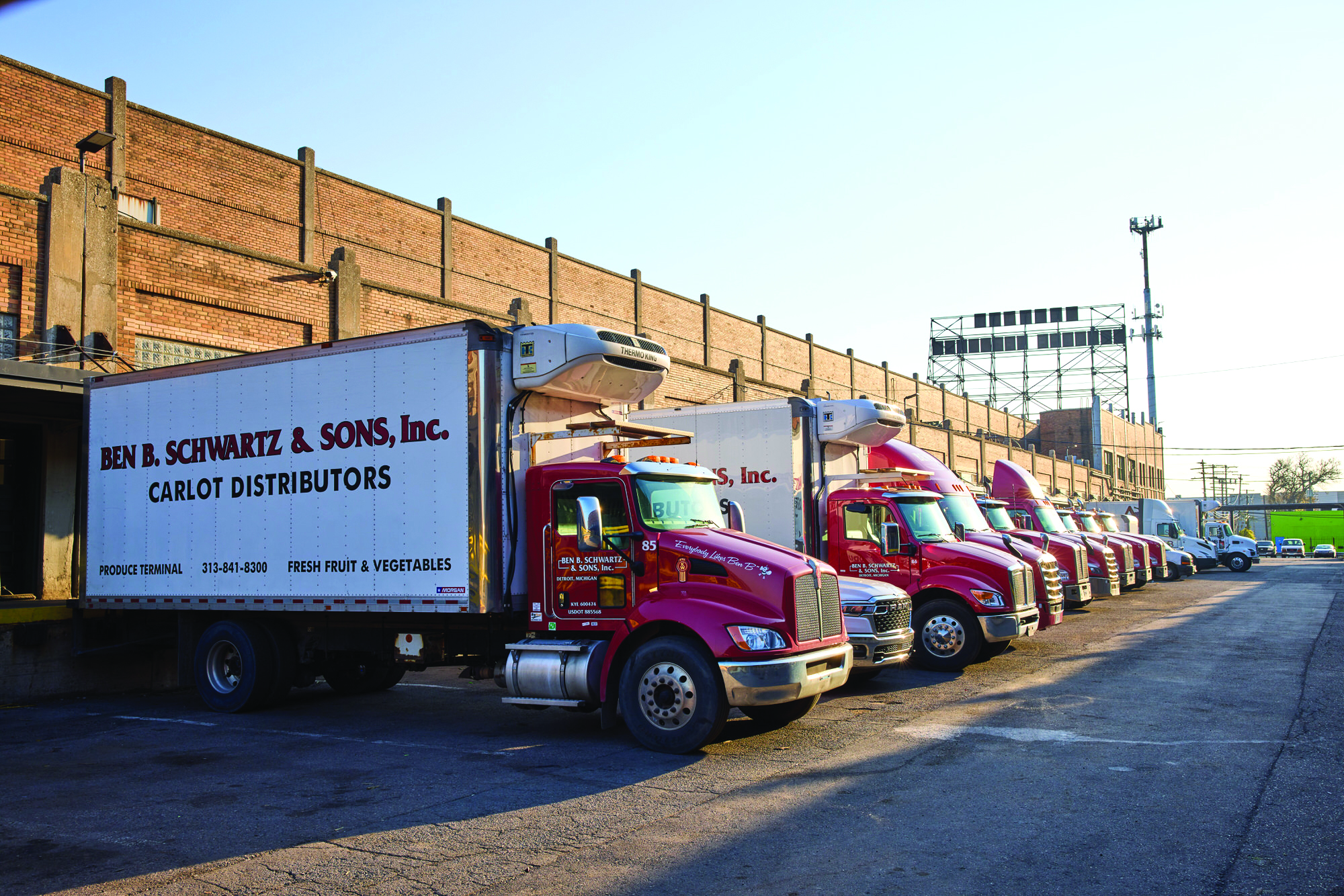
Even on the transportation side of the business, there have been many steps to improve shipping produce through the system. Larry Daniel of Daniel Co. of Springfield in Springfield, MO, said, "Transport refrigeration advanced from ice in a bunker in front of a trailer with a fan blowing over it to keep the product cool to today's advanced diesel-driven refrigeration units for much improved control of produce. In addition, palletizing produce with straps or wraps instead of having them hand-loaded, toe nailed, stripped and braced for transportation. It saves a lot of time in loading and unloading."
There are numerous efficiencies that have moved the produce industry in a positive direction over the past years, such as clamshell containers, bagged grapes and cherries, fresh pre-cut, value-added product, tree-ripened fruit, sweeter onions, peeled-and-cored pineapples, organic produce, improved breathable film, Euro-type display tables, returnable plastic containers, PLU stickers, UPC bar codes, RFID and category management. The list goes on.
If you want to see just how far the industry has progressed, visit your neighborhood supermarket produce department. In it, you will see an array of colorful fresh fruits and vegetables of all varieties displayed on the most modern equipment.
We've come a long way from only a few feet in the back shadows of the store using old operational tools, equipment, supply material and merchandising methods.
(Ron Pelger is the owner of RONPROCON, a consulting firm for the produce industry. He can be reached by phone at 775/853-7056, by e-mail at [email protected], or check his web site at www.power- produce.com.)
When World War ll ended, big changes arrived with it. Many trends began to emerge in people's lifestyles, especially with eating habits. This post-war transition period was primarily triggered by the military service people who brought home various types of food experiences from foreign countries in which they had served.
Those new recipes began a dramatic change in the U.S. food industry. They rapidly forced the breakup of old modes and mind-sets in grocery store aisles by making way for innovations and creativity. This era also began the transformation of the fresh fruit and vegetable industry as it kick-started the trend of reinventing the produce business.
As the years of produce innovation progressed, many packaging, marketing, operational and merchandising techniques began to play a specific role in advancing the industry. New items were being introduced into the marketing arena as the world of produce was changing at a very rapid pace.
In the very early days, fresh fruits and vegetables were sold in bulk form. In 1922, blueberries were first sold in a package that allowed customers to see the product. The introduction of cellulose acetate film in 1937 was a major breakthrough in packaging fresh produce. Tomatoes were one of the early items to be overwrapped, followed by the bagging of spinach in transparent bags.
It wasn't until the late 1950s that the prepackaged produce revolution began as a retail merchandising strategy. Many produce departments reverted to primarily prepackaged operations. Everything from pulp trays of apples and oranges to large-quantity family packs of produce were being offered. Even combination packs of lettuce co-mingled with a cucumber, tomatoes and radishes were tested.
Today, packaged produce dominates at the retail level. Many of the top- selling items can be found on display in attractive packages, among them fresh-cut fruits and vegetables, berries, tomatoes, wrapped Iceberg lettuce and poly-sleeved celery.
Many produce experts have seen a number of pivotal changes in produce over the years. These evolutionary modifications are what kept the produce industry ahead of the game.
I can remember working part time after school in a produce department and being assigned to the trimming chore. For an entire Saturday, I would do nothing but trim vegetables in the back room. Most of it was Iceberg lettuce. Then, years later, a newly developed product was introduced in the form of cello-wrapped lettuce. It dramatically changed the way we do business today.
Other industry people have also seen leading-edge changes that have elevated the produce industry. While these new changes are designed to raise industry standards and serve consumers better, they are also beneficial in maximizing sales and profits.
Keith Wilson, vice president of sales and marketing for Sunny Cove Citrus LLC in Orange Cove, CA, told me, "The innovations in citrus have been applying PLU stickers to the fruit for ease of identification at the checkout, offering bags in bulk bins to ease handling at store level, and moving from poly bags to net bags and Fox compo bags that allow the fruit to respire and increase shelf life."
Even on the transportation side of the business, there have been many steps to improve shipping produce through the system. Larry Daniel of Daniel Co. of Springfield in Springfield, MO, said, "Transport refrigeration advanced from ice in a bunker in front of a trailer with a fan blowing over it to keep the product cool to today's advanced diesel-driven refrigeration units for much improved control of produce. In addition, palletizing produce with straps or wraps instead of having them hand-loaded, toe nailed, stripped and braced for transportation. It saves a lot of time in loading and unloading."
There are numerous efficiencies that have moved the produce industry in a positive direction over the past years, such as clamshell containers, bagged grapes and cherries, fresh pre-cut, value-added product, tree-ripened fruit, sweeter onions, peeled-and-cored pineapples, organic produce, improved breathable film, Euro-type display tables, returnable plastic containers, PLU stickers, UPC bar codes, RFID and category management. The list goes on.
If you want to see just how far the industry has progressed, visit your neighborhood supermarket produce department. In it, you will see an array of colorful fresh fruits and vegetables of all varieties displayed on the most modern equipment.
We've come a long way from only a few feet in the back shadows of the store using old operational tools, equipment, supply material and merchandising methods.
(Ron Pelger is the owner of RONPROCON, a consulting firm for the produce industry. He can be reached by phone at 775/853-7056, by e-mail at [email protected], or check his web site at www.power- produce.com.)