Potentially record heat wave of 'some concern' for California
Potentially record heat wave of 'some concern' for California
The AccuWeather forecast for Fresno, CA, on Aug. 29, called for high temperatures of 106-108 degrees every day through Sept. 2, cooling to 104 on Sept. 3 before dropping back into double-digit readings beginning Sept. 4, the day after Labor Day.
If the 108-degree high forecasted for Friday, Aug. 31, proves accurate, it will break the record for the date of 107 degrees, set in 1888, according to AccuWeather.
The AccuWeather forecast for Reedley, CA, for Aug. 30 was 109 degrees, which would top the record for the date of 107 degrees set in 1950. Normal highs for the time period are around 90-92 degrees.
The hot weather in the Fresno area and elsewhere in the San Joaquin Valley is of some concern to growers of stone fruit and table grapes but is not expected to cause major problems as long as orchards and vineyards yet to be harvested are given sufficient water. If the heat spell were two-weeks long, it would be more of a concern, growers said.
"It is always a concern" when temperatures get that hot for several days, as they did for a few days in July this year, said Don Fazio of Fazio Marketing. But ordinarily "it is not critical if you water and do the right things to the ranch."
Still, that much heat this late in the season is "not normal for us, so it is kind of an unknown factor," he said.
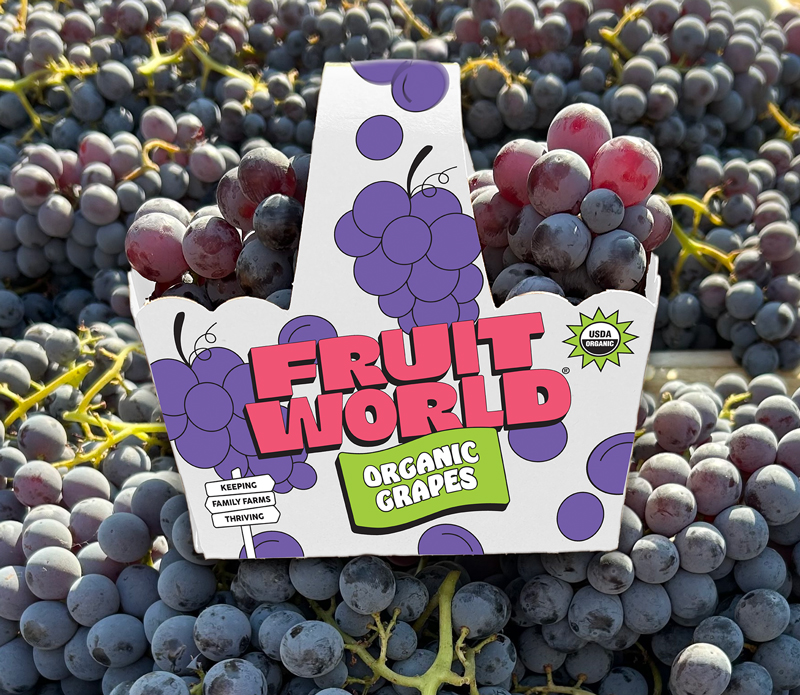
One adverse effect the heat does have on colored grapes is that they "tend not to color," Mr. Fazio said. "That is a worry, because a lot of the Crimsons are waiting for the right kind of temperatures to naturally color." How much effect the heat will have "a month from now ... we really don't know, but it won't help it any."
"I'm more concerned about the people packing the fruit" than for the fruit itself, said Kirk Cerniglia of Royal Madera Vineyards in Madera, CA.
The heat will not help the fruit, he added, but "as long as we can keep moisture at the root level in the vineyard, we will have a real good chance of keeping the fruit all right." All varieties, including the latest-maturing ones, are past their most critical stage, called verasion, when the berries makes the transition from hard to soft. That comes 21-30 days before harvest for most varieties, and it is a time when "the berries themselves are very, very vulnerable to high heat. ... That is the most nervous time for me," he said, but the vineyards "are all past that stage."
For stone fruit, when daily high temperatures climb into the vicinity of 105 degrees, the trees "kind of go into survival mode," said Duncan Marriott of Family Tree Farms in Reedley. The heat "actually delays or slows the production." With the season running earlier than last year by 10-14 days, that could have the effect of bringing the later varieties "back closer to normal timing."
Heat "is always a concern," said Dale Janzen of the California Tree Fruit Agreement. "But we have gone through periods like this before ... and never had any problems," although not usually this late in the year, he said.
Last year, stone fruit in the Central Valley did suffer from heat, but that came from 17 days of high temperatures that reached 113, he noted.
Anything above 103 degrees does tend to "slow the whole ripening process" however, Mr. Janzen said. Depending on how far along the fruit is, it can also "cause the fruit not to size up ... rather than delay the harvest," as was seen earlier this summer with the Friar crop.
If the 108-degree high forecasted for Friday, Aug. 31, proves accurate, it will break the record for the date of 107 degrees, set in 1888, according to AccuWeather.
The AccuWeather forecast for Reedley, CA, for Aug. 30 was 109 degrees, which would top the record for the date of 107 degrees set in 1950. Normal highs for the time period are around 90-92 degrees.
The hot weather in the Fresno area and elsewhere in the San Joaquin Valley is of some concern to growers of stone fruit and table grapes but is not expected to cause major problems as long as orchards and vineyards yet to be harvested are given sufficient water. If the heat spell were two-weeks long, it would be more of a concern, growers said.
"It is always a concern" when temperatures get that hot for several days, as they did for a few days in July this year, said Don Fazio of Fazio Marketing. But ordinarily "it is not critical if you water and do the right things to the ranch."
Still, that much heat this late in the season is "not normal for us, so it is kind of an unknown factor," he said.
One adverse effect the heat does have on colored grapes is that they "tend not to color," Mr. Fazio said. "That is a worry, because a lot of the Crimsons are waiting for the right kind of temperatures to naturally color." How much effect the heat will have "a month from now ... we really don't know, but it won't help it any."
"I'm more concerned about the people packing the fruit" than for the fruit itself, said Kirk Cerniglia of Royal Madera Vineyards in Madera, CA.
The heat will not help the fruit, he added, but "as long as we can keep moisture at the root level in the vineyard, we will have a real good chance of keeping the fruit all right." All varieties, including the latest-maturing ones, are past their most critical stage, called verasion, when the berries makes the transition from hard to soft. That comes 21-30 days before harvest for most varieties, and it is a time when "the berries themselves are very, very vulnerable to high heat. ... That is the most nervous time for me," he said, but the vineyards "are all past that stage."
For stone fruit, when daily high temperatures climb into the vicinity of 105 degrees, the trees "kind of go into survival mode," said Duncan Marriott of Family Tree Farms in Reedley. The heat "actually delays or slows the production." With the season running earlier than last year by 10-14 days, that could have the effect of bringing the later varieties "back closer to normal timing."
Heat "is always a concern," said Dale Janzen of the California Tree Fruit Agreement. "But we have gone through periods like this before ... and never had any problems," although not usually this late in the year, he said.
Last year, stone fruit in the Central Valley did suffer from heat, but that came from 17 days of high temperatures that reached 113, he noted.
Anything above 103 degrees does tend to "slow the whole ripening process" however, Mr. Janzen said. Depending on how far along the fruit is, it can also "cause the fruit not to size up ... rather than delay the harvest," as was seen earlier this summer with the Friar crop.