Arkansas Department of Agriculture gaining momentum in its second year
Arkansas Department of Agriculture gaining momentum in its second year
The formalizing of the Arkansas Agriculture Department in 2005 was certain to help propel the state as an important produce source, and strides so far have been huge. Increasing numbers of industry professionals are recognizing what is already produced in the state, as well as the potential in the future.
Tim Ellison, director of the marketing division for the Plant Board, which was developed in 1917 as a regulatory agency before becoming part the new agency's structure in 2005, noted that Arkansas is primarily a commodity state. The agency covers the commerce of seed, feed, fertilizers, nurseries, pesticides, weights and measures, and it works with APHIS to locate and eradicate exotic plants and insects.
The AAD places a heavy emphasis on the state's farmers markets because it believes it can have an effect in this category quickly.
"Individual commodities also have their own boards and commissions that help them do marketing," said Mr. Ellison. "It is smaller farmers who need help. Markets are good incubators for small farms because it provides a safe place for growers to get a feel for commerce. As time passes, they can safely determine what areas they want to expand in and ultimately focus in that direction.
"We continue to support this ideology," he continued. "We work with markets by recruiting with new suppliers. Currently, the state has about 40 active farmers markets, and the Farmers Market Association has about 35 member markets."
The Plant Board is credited with organizing the statewide Arkansas Farmers' Market Association. It is comprised of farmers market members and managers. Mr. Ellison said that those with the division are particularly happy to announce that before the state's last legislative session ended recently, legislators supported the decision to designate $471,000 to farmers markets in the state for construction and associated expenses. The funds are slated for expenditure through June 30, 2009.
"This is a pretty big deal for us because it speaks to state leaders' knowledge and support of these markets," said Mr. Ellison. "Consumers also see farmers markets as a safe place to buy fresh produce, so it benefits both consumers and producers."
Mr. Ellison said that the association has regular meetings of managers and annual meetings where all producers are invited. The criteria to join the association is that companies be structured enough to have bylaws, and their desire to join the effort is good incentive.
Until August 2005, Arkansas was the only state besides Rhode Island without a state-controlled agriculture department. Rhode Island now stands alone in this regard. Arkansas state leaders debated the decision to form an official department for many years, claiming that it was not needed. The "If it ain't broke, don't fix it" clich? lost ground, however, because of the examples of success in other states, many of which set motivating precedents showing what an established department could accomplish. Today, strong promotional and marketing abilities give the AAD the ability to partake in numerous aspects that affect and protect agricultural sectors and consumers alike.
Richard Bell is the first secretary of the Arkansas Agriculture Department. He retired from his post as president and chief executive officer of Riceland Foods in Stuttgart, AK, in 2004. Colleagues say he has brought the same high level of enthusiasm, intelligence and dedication to the department that helped to make Riceland Farms a huge success.
The newly formed department is comprised of the Arkansas Forestry Commission, Arkansas Livestock & Poultry Commission and the Arkansas State Plant Board.
"Producers grow significant amounts of rice, soybeans and cotton," said Mr. Ellison. "The state is also strong in both cattle and forestry industries, both of which hold predominant roles of importance. In fresh produce, increasing numbers of growers are participating in our 'Arkansas Grown' branded program. It is a new project that has not yet been promoted through media sources or to retailers, but plans are in the works to initiate a future campaign. Commercial growers are signing on to the program and using the logo on their packaging, including Alpine Fresh, a Florida-based producer that has engaged in a sizeable asparagus program in Arkansas. The 'Arkansas Grown' logo is also expanding outside of the state."
Mr. Ellison said that many other producers have recently expanded into or increased acreage in leaf items, including collard and turnip greens.
"Tomato acreage is also increasing in Arkansas," said Mr. Ellison. "Some major companies, such as Del Monte, are working with our growers for substantial supplies."
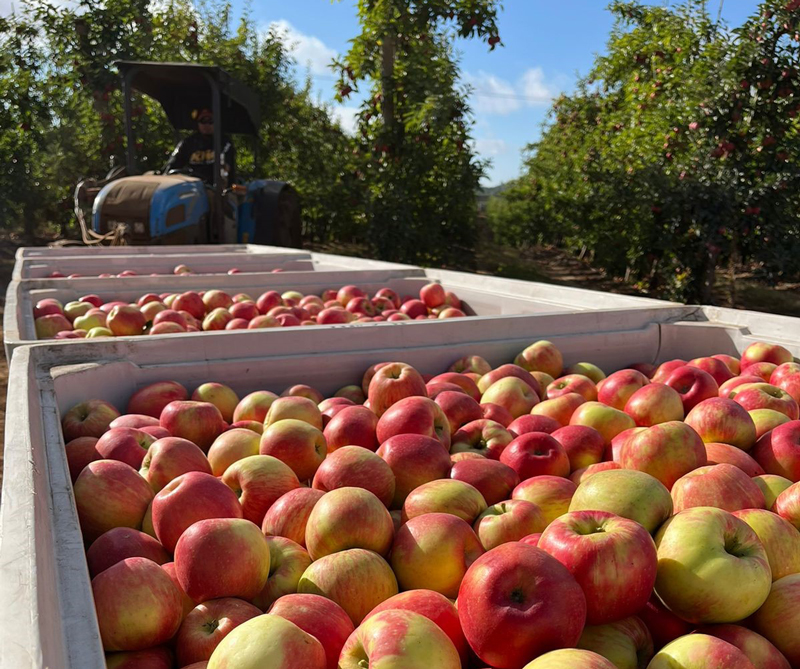
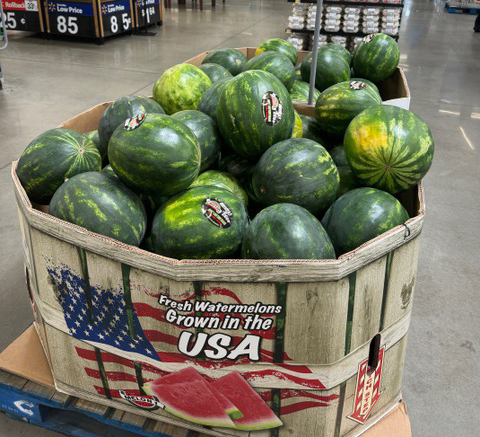
Other fresh-market crops produced in the state include melons, blueberries, blackberries and small volumes of peaches and apples. Its farming acreages is also dedicated to sweet potatoes, sweet corn and an extensive line of field vegetables.
"The demand for fresh vegetable crops produced in Arkansas is growing," said Mr. Ellison. "Logistics challenges have resulted in retailers wanting to source closer to their stores. The variety and volume of fresh produce grown in the state is in constant flux because farmers are still in the testing stages. A short growing window necessitates growers learning -- often through trial and error -- which crops will both grow and sell best."
The association has also developed the Arkansas Agriculture Product Market, which maintains a web site, www.naturallyarkansas.org. It provides state producers with a place to post a list of what they produce and general information on their company.
"People who are looking for blueberry producers, for example, can find it on this site," said Mr. Ellison. "The 'AG' symbol enables us to highlight our producers at the farmers markets, and the site is helping us to build links between the producers and our new agency."
(For more on the Arkansas deal, see the June 11 issue of The Produce News.)
Tim Ellison, director of the marketing division for the Plant Board, which was developed in 1917 as a regulatory agency before becoming part the new agency's structure in 2005, noted that Arkansas is primarily a commodity state. The agency covers the commerce of seed, feed, fertilizers, nurseries, pesticides, weights and measures, and it works with APHIS to locate and eradicate exotic plants and insects.
The AAD places a heavy emphasis on the state's farmers markets because it believes it can have an effect in this category quickly.
"Individual commodities also have their own boards and commissions that help them do marketing," said Mr. Ellison. "It is smaller farmers who need help. Markets are good incubators for small farms because it provides a safe place for growers to get a feel for commerce. As time passes, they can safely determine what areas they want to expand in and ultimately focus in that direction.
"We continue to support this ideology," he continued. "We work with markets by recruiting with new suppliers. Currently, the state has about 40 active farmers markets, and the Farmers Market Association has about 35 member markets."
The Plant Board is credited with organizing the statewide Arkansas Farmers' Market Association. It is comprised of farmers market members and managers. Mr. Ellison said that those with the division are particularly happy to announce that before the state's last legislative session ended recently, legislators supported the decision to designate $471,000 to farmers markets in the state for construction and associated expenses. The funds are slated for expenditure through June 30, 2009.
"This is a pretty big deal for us because it speaks to state leaders' knowledge and support of these markets," said Mr. Ellison. "Consumers also see farmers markets as a safe place to buy fresh produce, so it benefits both consumers and producers."
Mr. Ellison said that the association has regular meetings of managers and annual meetings where all producers are invited. The criteria to join the association is that companies be structured enough to have bylaws, and their desire to join the effort is good incentive.
Until August 2005, Arkansas was the only state besides Rhode Island without a state-controlled agriculture department. Rhode Island now stands alone in this regard. Arkansas state leaders debated the decision to form an official department for many years, claiming that it was not needed. The "If it ain't broke, don't fix it" clich? lost ground, however, because of the examples of success in other states, many of which set motivating precedents showing what an established department could accomplish. Today, strong promotional and marketing abilities give the AAD the ability to partake in numerous aspects that affect and protect agricultural sectors and consumers alike.
Richard Bell is the first secretary of the Arkansas Agriculture Department. He retired from his post as president and chief executive officer of Riceland Foods in Stuttgart, AK, in 2004. Colleagues say he has brought the same high level of enthusiasm, intelligence and dedication to the department that helped to make Riceland Farms a huge success.
The newly formed department is comprised of the Arkansas Forestry Commission, Arkansas Livestock & Poultry Commission and the Arkansas State Plant Board.
"Producers grow significant amounts of rice, soybeans and cotton," said Mr. Ellison. "The state is also strong in both cattle and forestry industries, both of which hold predominant roles of importance. In fresh produce, increasing numbers of growers are participating in our 'Arkansas Grown' branded program. It is a new project that has not yet been promoted through media sources or to retailers, but plans are in the works to initiate a future campaign. Commercial growers are signing on to the program and using the logo on their packaging, including Alpine Fresh, a Florida-based producer that has engaged in a sizeable asparagus program in Arkansas. The 'Arkansas Grown' logo is also expanding outside of the state."
Mr. Ellison said that many other producers have recently expanded into or increased acreage in leaf items, including collard and turnip greens.
"Tomato acreage is also increasing in Arkansas," said Mr. Ellison. "Some major companies, such as Del Monte, are working with our growers for substantial supplies."
Other fresh-market crops produced in the state include melons, blueberries, blackberries and small volumes of peaches and apples. Its farming acreages is also dedicated to sweet potatoes, sweet corn and an extensive line of field vegetables.
"The demand for fresh vegetable crops produced in Arkansas is growing," said Mr. Ellison. "Logistics challenges have resulted in retailers wanting to source closer to their stores. The variety and volume of fresh produce grown in the state is in constant flux because farmers are still in the testing stages. A short growing window necessitates growers learning -- often through trial and error -- which crops will both grow and sell best."
The association has also developed the Arkansas Agriculture Product Market, which maintains a web site, www.naturallyarkansas.org. It provides state producers with a place to post a list of what they produce and general information on their company.
"People who are looking for blueberry producers, for example, can find it on this site," said Mr. Ellison. "The 'AG' symbol enables us to highlight our producers at the farmers markets, and the site is helping us to build links between the producers and our new agency."
(For more on the Arkansas deal, see the June 11 issue of The Produce News.)