Supply gap looms for Western vegetable crops
Supply gap looms for Western vegetable crops
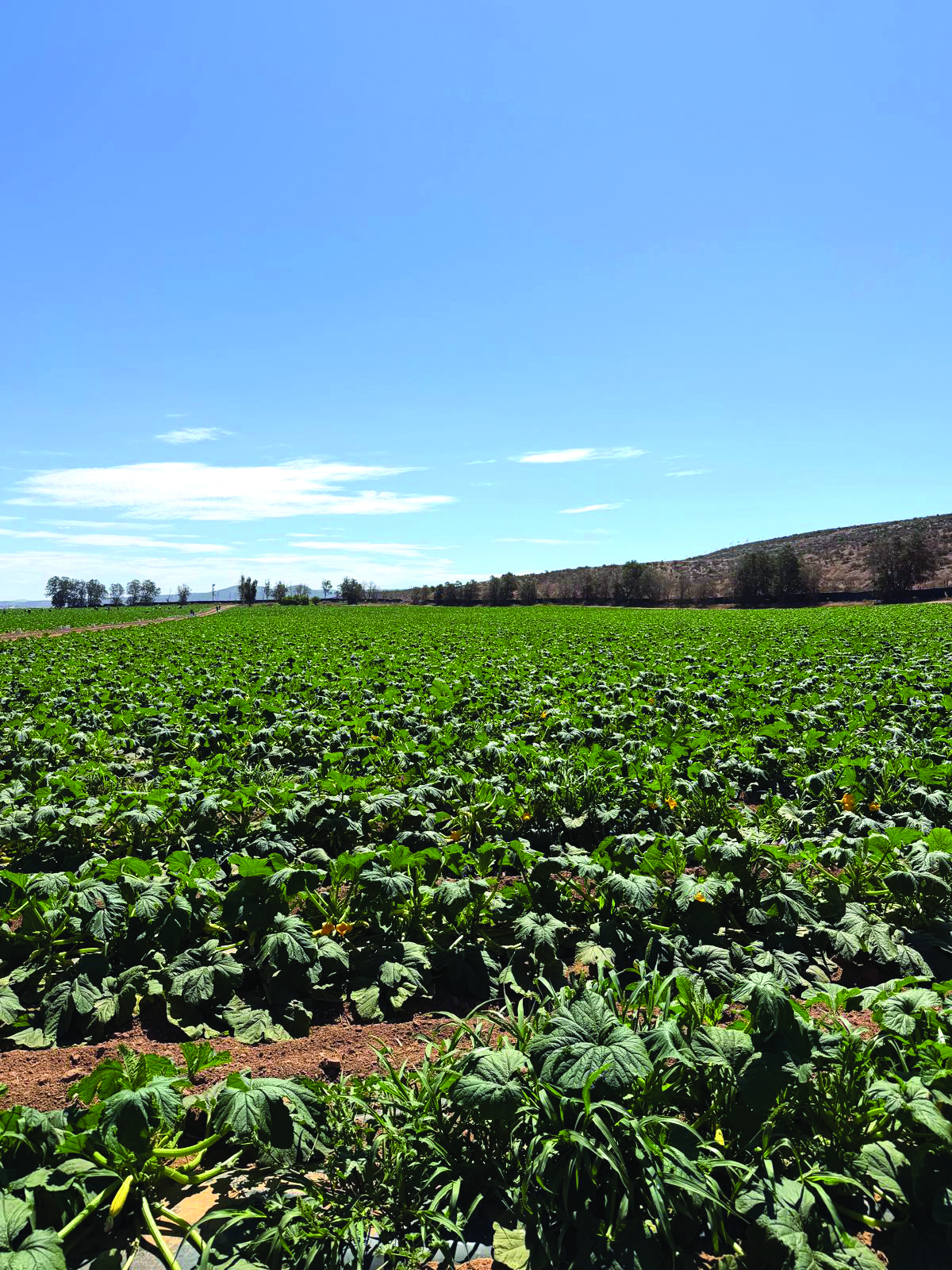
Short supplies and high prices of Western vegetables through the holidays and well into January were replaced by a supply-exceeds-demand situation for many crops into February. However, a potential gap is looming on the horizon as it appears that the winter deal may come to a conclusion in mid- to late March, prior to the transition for many shippers to the Salinas or Santa Maria valleys.
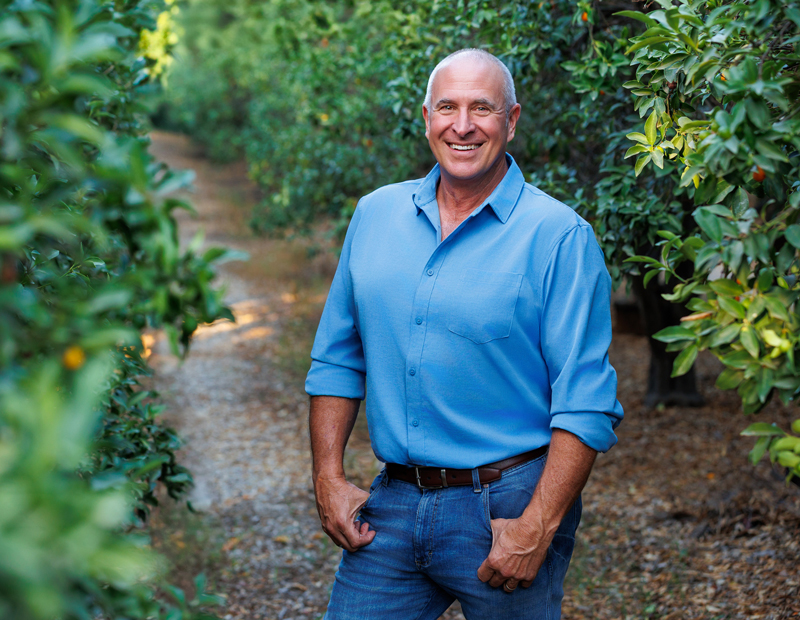
In mid-February, Jack Vessey of Vessey & Co. Inc. in Holtville, CA, gave his mid-season assessment of the 2015-16 western winter vegetable situation. Jack Vessey
“We had a great start that took us into January and then it started to warm up, which predictably brought on supplies,” he said Feb. 17. “At the same time, cold weather in the east brought us to a standstill [for some crops]. Currently, there is an imbalance in supply and demand for many crops, but cauliflower, Iceberg lettuce and celery are looking good [market-wise].”
He noted that it was 80 degrees in the Imperial Valley that day, as it has been for much of the past couple of weeks. That has caused fields to bunch, which has led to the prediction of many that the desert deals in California and Arizona would end a bit early this year.
However, Vessey predicted on this mid-February day that production from his area could still last through March, if the weather cooperates.
Weather forecasters have been predicting that a huge El Niño will dump lots of rain on Southern California this winter. That has yet to occur, though rain was expected that night and those forecasters are still expecting a wet March. If that occurs and it drenches the desert, an early end would most likely occur.
Some are saying that regardless of the El Niño situation, the desert is going to end early. Doug Lowthorp, who handles sales for Deardorff Family Farms in Oxnard, CA, said by mid-March the desert production is expected to wind down and supplies from Salinas Valley growers, though they might get an early start, will still be light, creating a demand-exceeds-supply situation.
His colleague on Deardorff’s sales desk, Tyler Clear, who handles organic sales, was even more certain of the pending gap. He said that for the next two to three weeks, supplies should be in concert with demand, “but by mid-March we are going to see a gap.”
He said there will be some early Salinas fields harvested, but from mid-March to mid-April supplies will be variable at best.
Clear said the situation could be even more acute in the organic category, since growing time for an organic crop generally takes a little bit longer than a conventional crop. That indicates that the start of the season could arrive a bit later and the gap could last a bit longer. He noted that his remarks were specifically about the items in the “wet vegetable” category.
In surveying the current vegetable supply situation, Russel Widerburg, sales manager for Boskovich Farms Inc. in Oxnard, CA, said the supply-exceeds-demand pricing for many vegetables is exactly what was predicted. He said the short supply in December and much of January caused by slow-growing fields meant that there would eventually be a bunching up of production.
“This is what we thought would happen,” he said.
Speaking specifically of celery, Lowthorp said less acreage was planted for harvest during this time period because the crop during the last two years was not a profitable one for growers. Add in the weather woes this winter, which have extended the time it takes to grow the crop, and a decline in yield has exacerbated the situation.
One more major factor has been the weather in Florida, which the Deardorff executive described as “Biblical rains.” The result has been a strong market for the crop, which he predicted could last at least another month.
As of this writing, a storm was brewing off the California coast and expected to drop some measurable rain over the next few days. While heavy rains will curtail harvest while its occurring, Widerburg’s comments were echoed by everyone. “We are supposed to get a half-inch to three-quarters of an inch tonight,” he said. “We need it. It will be a very welcome sight. The ground is very thirsty.”
Though not a desert vegetable crop, tomatoes are another item that has seen a very strong market, especially in the greenhouse-grown specialty varieties.
Ken Silveira of Mastronardi Produce-West in Salinas, CA, said cold weather in Mexico and rain in Florida has put the commodity in a demand-exceeds-supply situation.
“We don’t see any change in the supply situation for at least the next two to three weeks, which is when Canada will start [with its greenhouse tomato production],” he said.