Orange County Produce continues transition to year-round shipper
Orange County Produce continues transition to year-round shipper
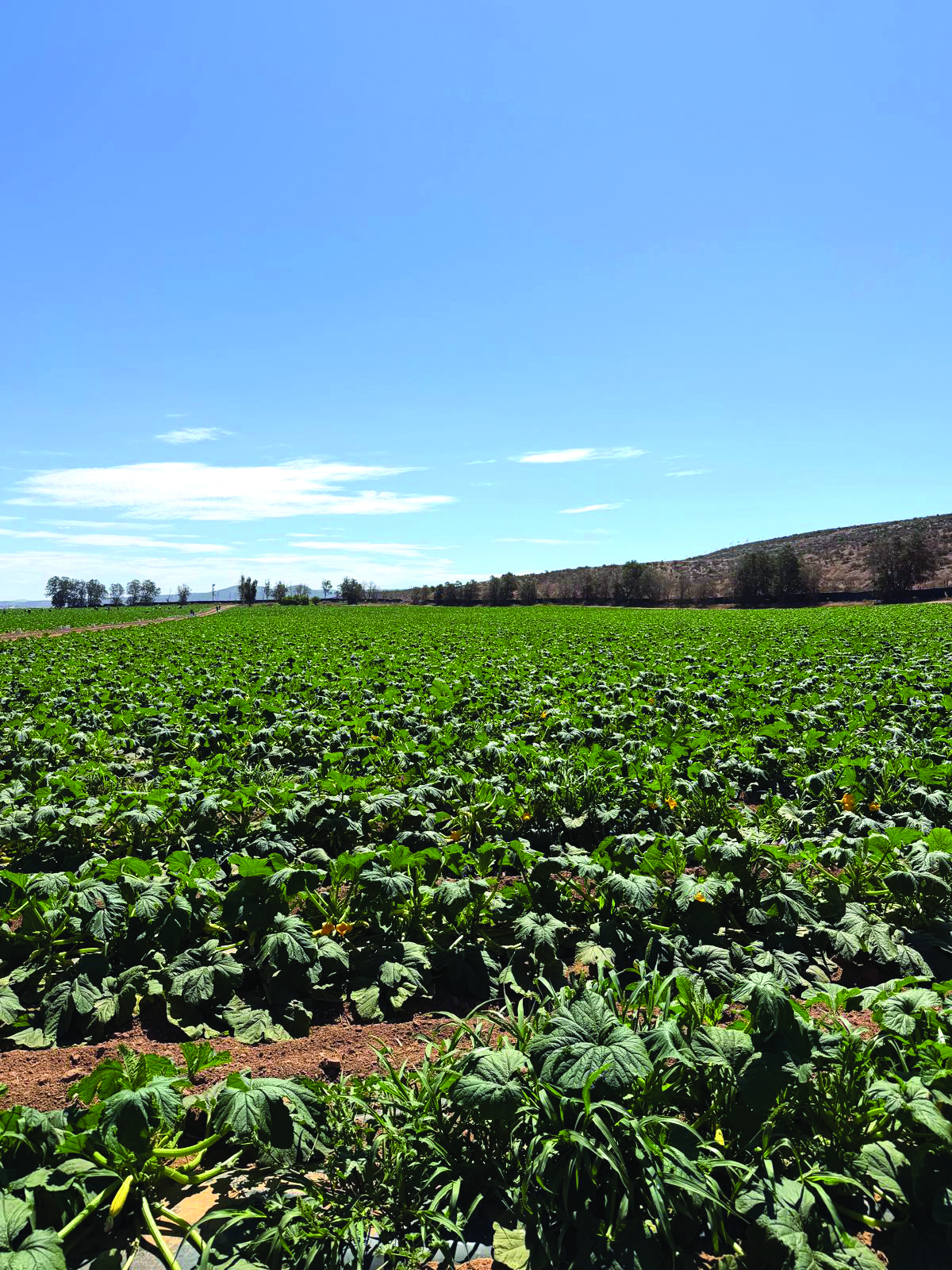
It is very difficult being a farmer in an urban environment, which is why California-based Orange County Produce has branched out in the past several years and is now a year-round shipper of both strawberries and some vegetable crops, including green beans.
Matt Kawamura, who runs the firm along with his brother A.G. Kawamura, welcomed his son, Paul, into the company a couple of years ago. But as the fourth generation of the family prepares for his future in the business, it is a much different environment than the one that greeted the first three generations when they started. Where there was once many different commercial strawberry growers, Orange County Produce pretty much stands alone in the region that gave them their name.
“There are a few farm stand growers but we are the only commercial grower left,” said Matt.
 Matt KawamuraHe said the firm has become farm managers as much as anything else as it contracts with various land developers to farm plots of land prior to development. Necessarily the land available for strawberry farming moves year to year which creates its own set of problems associated with this very urban environment.
The company is also still farming on the military base in the area and on Irvine Ranch — privately owned land that was once the home to thousands of strawberry acres.
“For the past 20 years, they have been telling us that in three to five years there will be no land left (to farm) in Orange County… but we’re still here,” Matt said.
However, the Kawamuras have seen most of their neighbors exit the business and they do know it is only a matter of time until they follow suit.
“It’s why we also farm in Oxnard as well as Watsonville and Mexico,” he said, noting that his son knows his future is not going to be farming in Orange County.
That expansion to other areas was driven by both urbanization and the need to be a year-round shipper of the crops they specialize in. Kawamura said everyone talks about the value of locally-grown but it is a difficult proposition and being a year-round supplier is what most customers are truly after. “We started growing year-round because our customers asked us to,” he said.
Last year was the first year that Orange County Produce had a 12-month strawberry deal and they are building on that effort this year. “We had strawberries every day of the year in 2015, and we’re doing the same thing this year,” said Matt.
The winter months’ supplies come from both Central Mexico and Baja California in Mexico and dovetail into the Southern California berry deal. In years gone by, the Southern California district, which included San Diego, Orange and Ventura counties, was a February through May deal. An aggressive University of California breeding program created new varieties and extended the season at both ends for several decades.
However, the breeding program has fallen on hard times for a number of reasons and the varieties being grown haven’t been prolific producers. Subsequently, acreage in Southern California has dropped significantly.
Add to that this year’s weather issues and Kawamura said the timing in 2016 is much closer to what it was 20-30 years ago.
“In both Orange County and Oxnard, we are about a month behind where we have been for the past five or six years when we have had no weather issues,” he said on Jan. 26.
However, Kawamura said things are looking up as the last varieties released by that UC breeding program a few years ago are starting to be planted in bigger numbers. “We’re very excited about Fronteras,” he said. “It’s a very good variety.”
And it produces large fruit, which Kawamura said is great for the upcoming holidays such as Valentine’s Day. He said there will be less supplies than usual but at least this new variety can produce the size fruit that is popular for stem berry sales. He said acreage of this variety should increase significantly next year and in the following years.
Orange County Produce is part of consortium of several growers, shippers, a nursery and a plant distributor that has launched a private breeding program to take off where the UC program stopped.
Within several years, Kawamura said new varieties will be in the pipeline and the plan is to make them available to all California growers.
“Small growers need to have access to these varieties,” said Kawamura, noting that they don’t have the resources to develop proprietary varieties, nor can they pay high licensing fees.