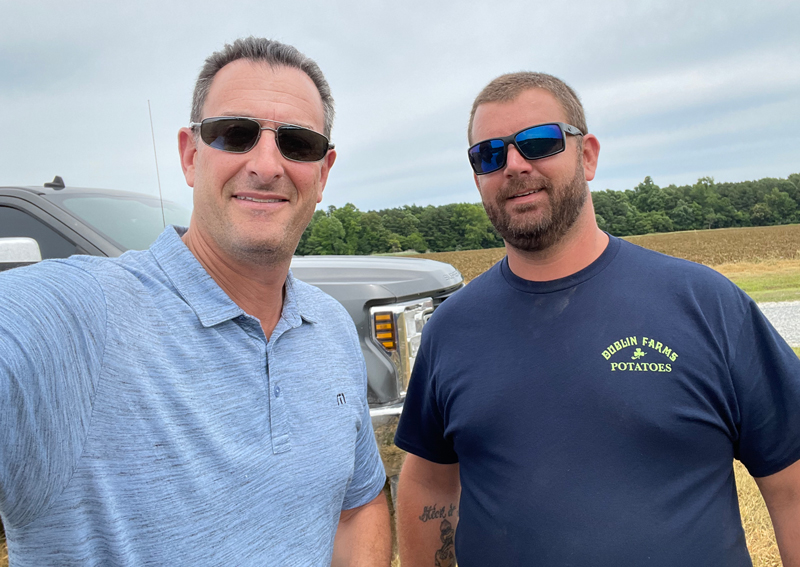
Thompson, research center see busy 2016
Thompson, research center see busy 2016
With more than half a year under his belt as the farm manager of the San Luis Valley Research Center, Tyler Thompson reflected upon the work of the facility and its importance to Colorado and its potato industry.
He was asked what aspects of the work give him the greatest satisfaction. “I’d have to say interactions with our station’s employees and the local producers. It is my opinion that this research center’s personnel have been without a committed advocate that would rattle anyone’s cage to help them achieve their ends, and consistently celebrate their achievements. I have seen and heard some inspiring information and stories from our center and the many other Colorado State University centers around Colorado, and it gives me pleasure to funnel that information to the agricultural industry, local producers and consumers.”
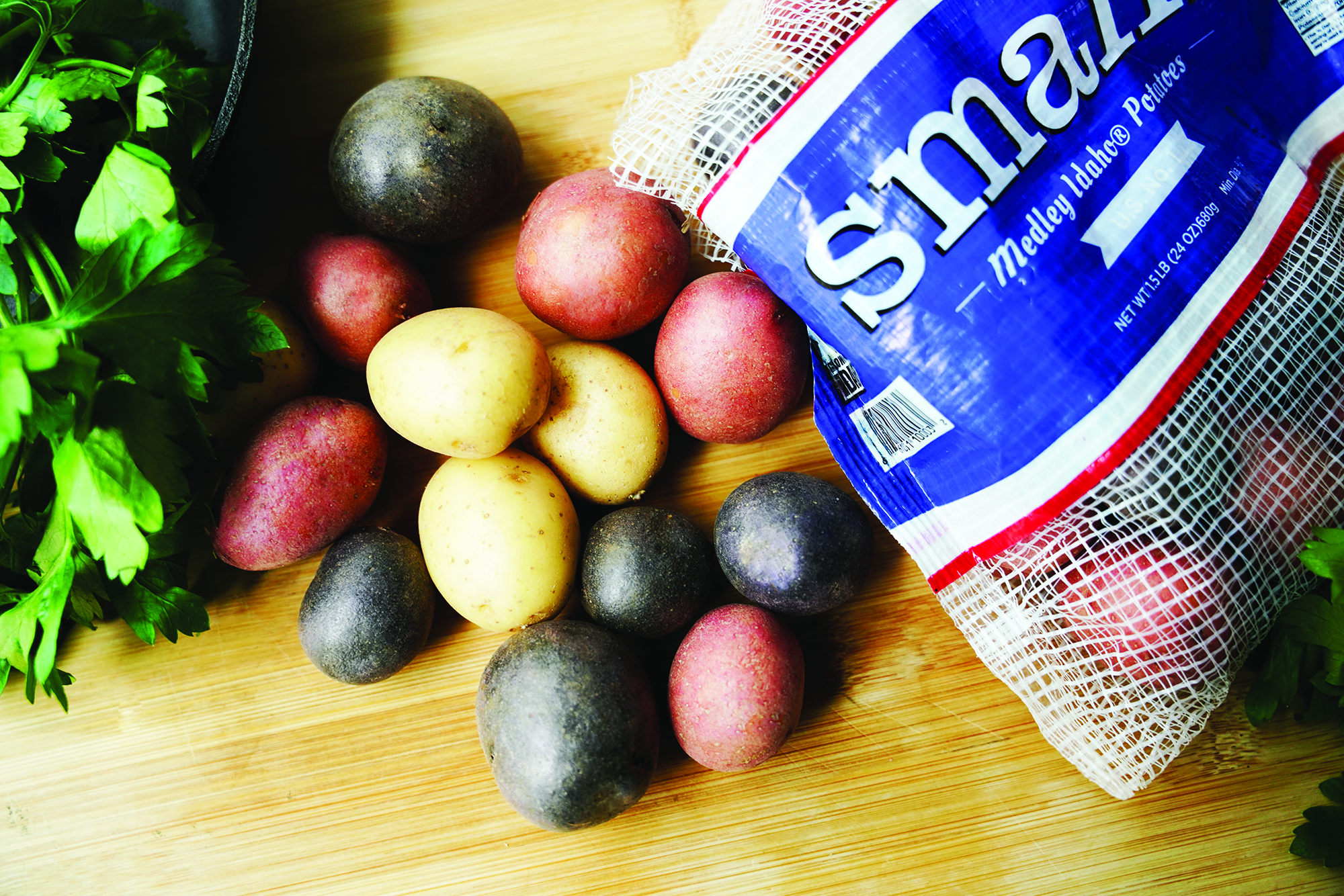
Thompson is committed to the sharing of research data for the benefit of all, and he said 2016 will be an active year for research, including water deficit irrigation, the use of dry beans as a rotational crop with potatoes and the hunt for a Potato Virus Y resistant or tolerant potato variety.
The facility also continues to search for potato varieties that use less water per pound of fresh product grown.
PVY persistence has taken its toll, and Thompson said some growers have looked to secure seed potatoes from outside sources. “Bringing in valley ‘foreign’ seeds creates a risky situation with regard to potential pathogens and our valley economics,” he explained. “They need a source of clean seed for the varieties that they are marketing, and San Luis Valley seed growers, including our research center, are having trouble delivering on that order. We have an investigative staff in place at the San Luis Valley Research Center, and I am hopeful that one day they will remedy the PVY issue.”
The center hopes to add a new potato pathologist with an agronomic interest to the staff at the farm in the San Luis Valley to facilitate commercial work with the potato industry.
Thompson turned a puzzling situation into a remarkable opportunity at the research center this past season. He said people near the farm wondered why so many potatoes were left on the ground unused. After investigation, Thompson determined that some experimental crosses could not be used for food and were therefore left in the field.
“With the breeding program potatoes ruled out, there still remained the potatoes associated with our pathology and cultural management programs. Those programs only use safe numbered and named lines to start, and their treatments never violate any label of the chemicals applied. So, the potatoes that remained were edible and free to use,” he explained.
“With the Help of Western Colorado Research Center’s Greg Litus and Karen McManus of Food Bank of the Rockies, we at the San Luis Valley Research Center were able to save and move approximately 50,000 pounds of potatoes to Care and Share of Southern Colorado that would have otherwise sunburned and rotted in the field,” he continued.
The center is in the initial stages of planning and discussing ideas to promote interaction between CSU and the local food banks as a hands-on educational experience for young children and university students.