Apple packaging options expanding into new territory
Apple packaging options expanding into new territory
Packaging for nearly every fresh produce item has undergone innovations and even revelations in recent years. And so it’s no surprise that apples are also being packaged in new ways
Brief research shows new, emerging and popular fresh apple packaging include totes, clamshells, foam nets, baguettes, consumer-sized boxes, individually wrapped, sealed and resealable pouches and insert liners, among others.
Several factors are driving the new apple packaging options. They include food safety, reduced fruit bruising or damage, easily recognized high-graphic logos and brand names, environmental concerns and more.
Kurt Zuhlke, president of Kurt Zuhlke & Associates Inc., headquartered in Bangor, PA, told The Produce News that all of these factors are likely contributing to new apple packaging being offered by marketing firms.
“But sanitary reasons is certainly among the most important reasons,” said Zuhlke. “Fruit that is protected from being touched is a major step in preventing the spread of pathogens or bacteria.”
The environment also plays a significant roll according to Zuhlke. He said that the public is more aware of environmental damage than ever before, and consumers like knowing that their clamshells, for example, are made from PET materials and are recyclable.
“Convenience is yet another factor,” Zuhlke continued. “Grocery stores that specialize or offer pick-up and delivery on pre-ordered groceries might want their apples in clamshells because they fit nicely into delivery cartons, and because they’re protected from damage if something heavy is packed on top.”
With so many club variety apples now on the market, and at premium prices, we wondered if they were having an impact of new apple packaging.
Peter Forrence, president of Forrence Orchards Inc., in Peru, NY, thinks not.
“Because an apple trades for more money does not determine the packaging,” he said. “Honeycrisp apples are a perfect example. They demand a premium but are typically sold in bulk.”
He does feel that pouches that are virtually covered with high-graphic designs are not a great idea.
“You cannot even see the apples in some of these packages because they’re covered with graphics and verbiage,” he said. “I want my packaging to provide as much product visibility as possible so that consumers can see what they’re spending their money on.”
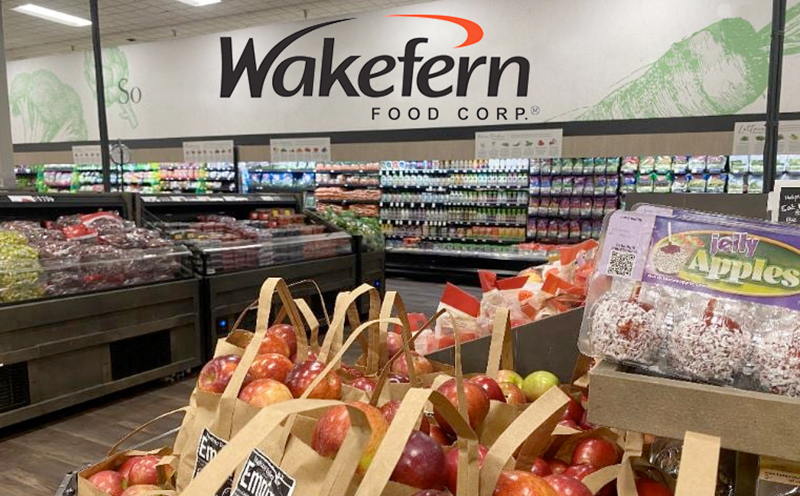
The New York Apple Association is proud of its new reusable bag that it pilot tested with a key retail partner this year.
“These new bags tap into consumer interest for both convenience and sustainability,” explained Jim Allen, president of the NYAA. “The bag features an eye catching high-graphic design. We also created a stand-alone merchandiser with a similar high graphic design, which contains 300 bags each and is intended to be placed next to bulk apple displays. Consumers initially buy the bag to take home their apple purchase, and then re-use it as they wish.”
The new bag, Allen pointed out, does not replace the NYAA’s very successful bulk apple tote bag, but is another option.“The bag and its merchandising unit got lots of attention from retailers who saw it at PMA's Fresh Summit in October and at the New York Produce Show in December,” added Allen. “Many commented that they haven't seen anything like it.”
Zuhlke pointed out that corrugated or paper absorbs moisture and has molding effects, so is not good for storage.
“The idea is to keep the product dry. PET clamshells do that and they allow the product to breath. That allows gases to escape, which results in improved shelf life.”
Zuhlke offers a wide range of clamshells for fruits the size of apples, as well as liners in numerous case count sizes.