Produce industry urges Congress to pass weight limit amendment to highway bill
Produce industry urges Congress to pass weight limit amendment to highway bill
WASHINGTON — A critical highway bill heads to the House floor this week, and the produce industry, which overwhelmingly relies on trucks to move fresh products, is pushing for amendments that would modernize U.S. truck weight limits.
With infrastructure funding expiring Nov. 30, the House is considering the six-year, Surface Transportation Reauthorization & Reform Act of 2015 this week.
Produce groups are calling on Congress to pass bipartisan amendments, including one that would allow more flexibility for trucks leaving farms and other businesses, which are forced to leave less than full when trucks reach the current weight limit.
More than 70 food and agriculture groups sent a Nov. 3 letter urging lawmakers to approve an amendment that would give states the option to raise the federal gross vehicle weight limit from 80,000 pounds to 91,000 pounds for trucks equipped with six axles rather than the typical five.
With that change, “the SAFE Trucking Act would safely modernize truck shipments on interstate highways by reducing the number of trucks needed to move our commodities and products through better utilization of existing capacity,” said the letter, which was also signed by the U.S. Apple Association, Western Growers, United Fresh Produce Association and the National Potato Council.
A recent federal study found the 91,000-pound, six-axle configuration is “bridge formula compliant, would reduce pavement costs, truck miles traveled, fuel costs and carbon dioxide emissions, all while improving braking ability and maintaining handling characteristics,” said the agricultural groups.
Rep. Reid Ribble (R-WI) is expected to offer the produce-friendly truck weight amendment.
The United Fresh Produce Association supports another amendment, offered by Rep. John Duncan Jr. (R-TN), that would clarify motor carriers not prioritized for a compliance review due to their safe operations are equal in safety status to “satisfactory” rated carriers.
United Fresh says it supports the hiring amendment because there are 447,665 small business trucking companies that have yet to be audited by the federal transportation agency because of their safe operations, and without a change in the law they may be significantly disadvantaged.
A third amendment by Rep. Dan Newhouse (R-WA) would collect new data to determine the performance of ports.
“There is a strong need to start collecting basic uniform data on port performance as a means to address ongoing congestion issues which impact the national economy,” wrote Robert Guenther, United Fresh senior vice president of public policy, in a separate letter to House members.
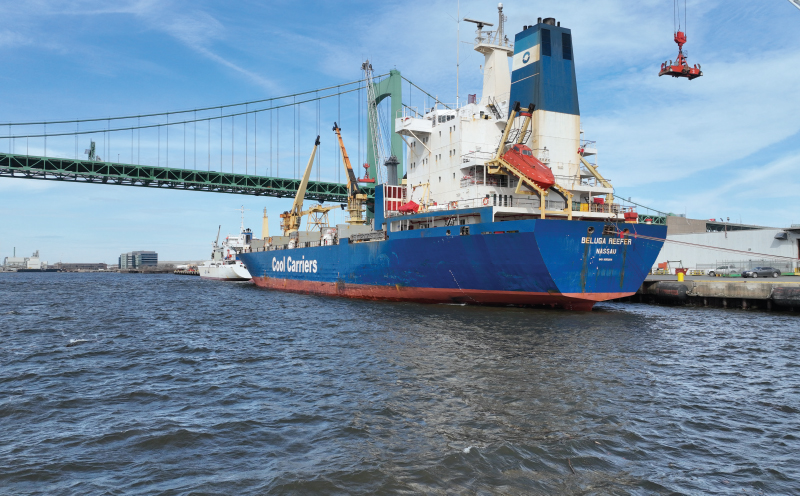
Newhouse introduced a bill last month that would create new economic safeguards to prevent future slowdowns at ports such as the West Coast port slowdown, which damaged businesses and agricultural producers.