High quality and good volume of Maine potatoes to support increasing demand
High quality and good volume of Maine potatoes to support increasing demand
"Every indication is that the Maine crop will be good this year," said Tim Hobbs, director of development and grower relations for the Maine Potato Board, headquartered in Presque Isle, ME. "Growers here always hold their breath that tropical storms and hurricanes won't come up the East Coast and aim in our direction, but we were fortunate this year to get through the season unscathed. We've had good growing conditions across the board, and the majority of the crop was harvested by November 1."
Maine currently has more than 400 potato growers who farmed on 59,000 acres this year, an increase from the 55,500 acres planted last year. However, it is still down from the 63,500 acres the state reported in 2004. Acreage, however, is down across all of North America, not just in Maine. Mr. Hobbs said that the drop was caused by a culmination of factors, including the low carbohydrate trend.
Maine is considered a major seed producing state. The majority of the potato crop -- about 65 percent -- goes to processing. About 15 percent is designated to seed stock, and the balance is sold as table stock to retailers and foodservice operators. Approximately 120 potato varieties, including reds, russets, whites and yellows, grow in the state. More potatoes were produced in the farming area of Aroostook County from 1928 to 1958 than in any state in the country.
Scottish-Irish immigrants established the Maine potato industry more than 240 years ago. The settlers quickly realized that the state's rich soil conditions, long warm days and cool nights made it a natural environment for potato crops. Over the next couple of centuries, Maine developed into one of the nation's key potato-producing states, which it remains today.
Besides the numerous marketing and promotional programs that the Maine Potato Board supports each year, Mr. Hobbs also keeps his finger on the pulse of political activity that affects Maine's growers.
"We are getting more involved in legislative lobbying activity currently," he said. "New legislation is due to go into effect in January that could impede growers from using pesticides or to conduct aerial spraying on their fields. We need to confront these activities aggressively. While it is taking more of our time and attention, it is important that we run a more proactive campaign on these issues."
Mr. Hobbs said that because potato farming is done in northern Maine, but the majority of the voting public is in the southern part of the state, the board must put its energies into connecting with the public from a distance, which requires added effort.
The Maine Potato Board continues engaging in its traditional marketing programs that have brought positive results in the past. Some are developed to deliver a message to the public that potatoes are not the "evil-doers" of obesity but are nutritionally valuable, highly satisfying and delicious.
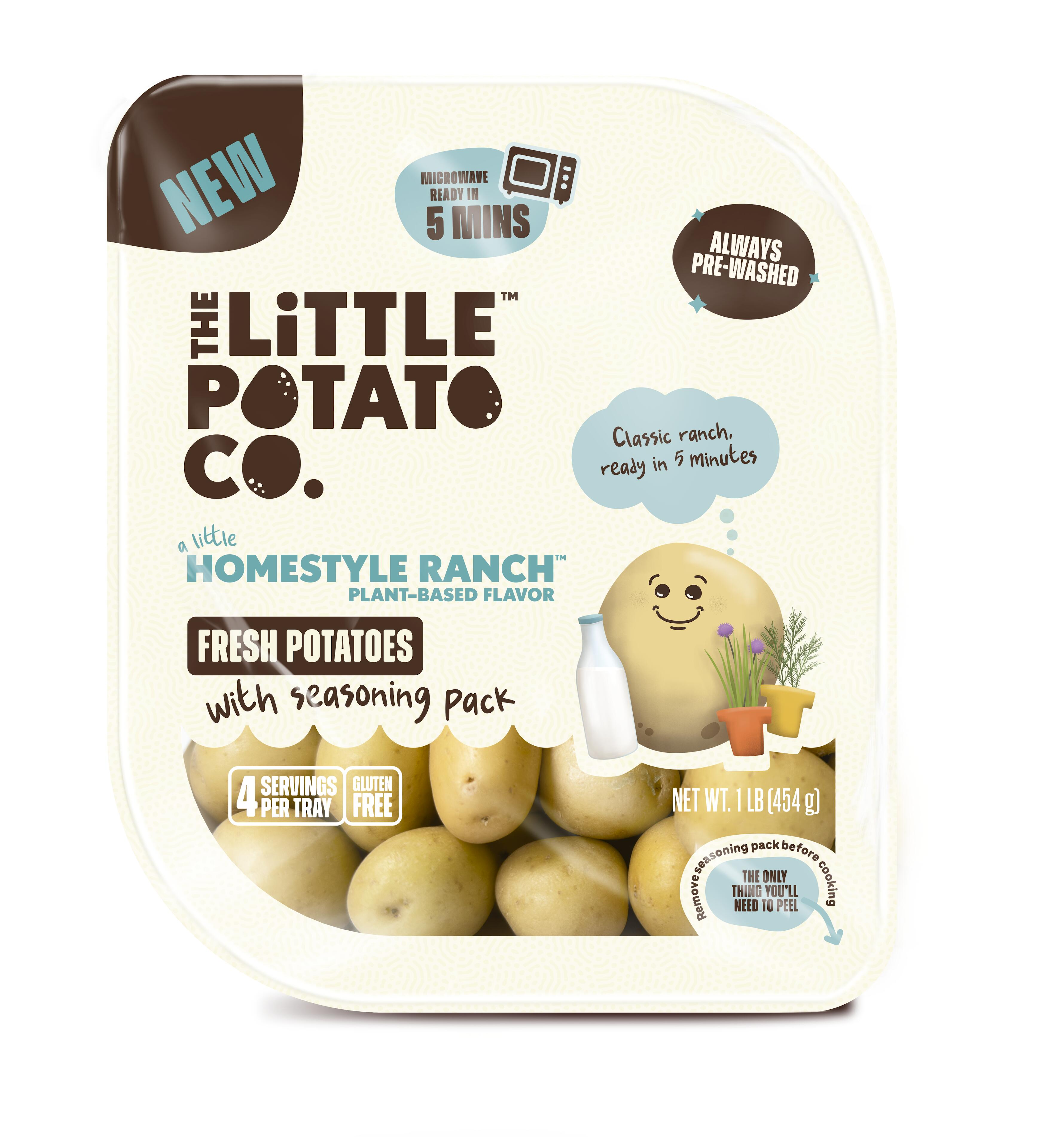
One successful campaign is a monthly national consumer drawing. Lucky winners pick up a specially marked bag of "Quality Maine Potatoes" at their local grocery stores, and sign up to win a $1,000 shopping spree. Drawings are held once each month beginning in October and run through March. The campaign has continued for several years with great success.
Chainstores have also appreciated the campaign because the shopping spree takes place in the store where the bag was purchased. The winner and winning store are announced in the organization's monthly publication, "Maine Potato News."
Each year the Maine Potato Board also awards a limited number of scholarships to deserving graduating seniors who are pursuing a career in agriculture, agri-business or natural resources. The selection committee chooses five outstanding recipients each year to receive $500 scholarships. "Our board also names a Farm Family of the Year each year," said Mr. Hobbs. "The award is presented at an industry dinner held during the annual Potato Blossom Festival in July. The 2006 festival was the 59th event the board sponsored. The community celebration includes mashed potato wrestling, potato queen pageants and a parade. The Maine Potato Board also works with retailers on an individual basis to do promotions on Maine potatoes."
The board also presents an annual Young Farmer Award. Mr. Hobbs said that nominees must be under age 40 and be nominated by their peers. A committee of industry people outside the board chooses the winner based on farming practices, business success and other factors.
A new potato research storage facility, located on the Aroostook Farm in Presque Isle, was opened a couple of years ago. It was the result of collaboration between the Maine Potato Board and the Maine Agricultural & Forest Experiment Station at the University of Maine.
The Maine Potato Board received a federal Economic Development Administration grant for the construction of the facility in 2001. The grant provided $644,000 for construction of the new facility. The Maine Department of Agriculture contributed $150,000, and the Maine Technology Institute provided $100,000 for the project. The University of Maine provided the land.
Funding for operations and maintenance will continue to come from the Maine Potato Board and the Maine Agricultural & Forest Experiment Station.
(For more on the Maine potato deal, see the Nov. 13 issue of The Produce News.)
Maine currently has more than 400 potato growers who farmed on 59,000 acres this year, an increase from the 55,500 acres planted last year. However, it is still down from the 63,500 acres the state reported in 2004. Acreage, however, is down across all of North America, not just in Maine. Mr. Hobbs said that the drop was caused by a culmination of factors, including the low carbohydrate trend.
Maine is considered a major seed producing state. The majority of the potato crop -- about 65 percent -- goes to processing. About 15 percent is designated to seed stock, and the balance is sold as table stock to retailers and foodservice operators. Approximately 120 potato varieties, including reds, russets, whites and yellows, grow in the state. More potatoes were produced in the farming area of Aroostook County from 1928 to 1958 than in any state in the country.
Scottish-Irish immigrants established the Maine potato industry more than 240 years ago. The settlers quickly realized that the state's rich soil conditions, long warm days and cool nights made it a natural environment for potato crops. Over the next couple of centuries, Maine developed into one of the nation's key potato-producing states, which it remains today.
Besides the numerous marketing and promotional programs that the Maine Potato Board supports each year, Mr. Hobbs also keeps his finger on the pulse of political activity that affects Maine's growers.
"We are getting more involved in legislative lobbying activity currently," he said. "New legislation is due to go into effect in January that could impede growers from using pesticides or to conduct aerial spraying on their fields. We need to confront these activities aggressively. While it is taking more of our time and attention, it is important that we run a more proactive campaign on these issues."
Mr. Hobbs said that because potato farming is done in northern Maine, but the majority of the voting public is in the southern part of the state, the board must put its energies into connecting with the public from a distance, which requires added effort.
The Maine Potato Board continues engaging in its traditional marketing programs that have brought positive results in the past. Some are developed to deliver a message to the public that potatoes are not the "evil-doers" of obesity but are nutritionally valuable, highly satisfying and delicious.
One successful campaign is a monthly national consumer drawing. Lucky winners pick up a specially marked bag of "Quality Maine Potatoes" at their local grocery stores, and sign up to win a $1,000 shopping spree. Drawings are held once each month beginning in October and run through March. The campaign has continued for several years with great success.
Chainstores have also appreciated the campaign because the shopping spree takes place in the store where the bag was purchased. The winner and winning store are announced in the organization's monthly publication, "Maine Potato News."
Each year the Maine Potato Board also awards a limited number of scholarships to deserving graduating seniors who are pursuing a career in agriculture, agri-business or natural resources. The selection committee chooses five outstanding recipients each year to receive $500 scholarships. "Our board also names a Farm Family of the Year each year," said Mr. Hobbs. "The award is presented at an industry dinner held during the annual Potato Blossom Festival in July. The 2006 festival was the 59th event the board sponsored. The community celebration includes mashed potato wrestling, potato queen pageants and a parade. The Maine Potato Board also works with retailers on an individual basis to do promotions on Maine potatoes."
The board also presents an annual Young Farmer Award. Mr. Hobbs said that nominees must be under age 40 and be nominated by their peers. A committee of industry people outside the board chooses the winner based on farming practices, business success and other factors.
A new potato research storage facility, located on the Aroostook Farm in Presque Isle, was opened a couple of years ago. It was the result of collaboration between the Maine Potato Board and the Maine Agricultural & Forest Experiment Station at the University of Maine.
The Maine Potato Board received a federal Economic Development Administration grant for the construction of the facility in 2001. The grant provided $644,000 for construction of the new facility. The Maine Department of Agriculture contributed $150,000, and the Maine Technology Institute provided $100,000 for the project. The University of Maine provided the land.
Funding for operations and maintenance will continue to come from the Maine Potato Board and the Maine Agricultural & Forest Experiment Station.
(For more on the Maine potato deal, see the Nov. 13 issue of The Produce News.)