Supplies tight as Peruvian sweet onion season begins
Supplies tight as Peruvian sweet onion season begins
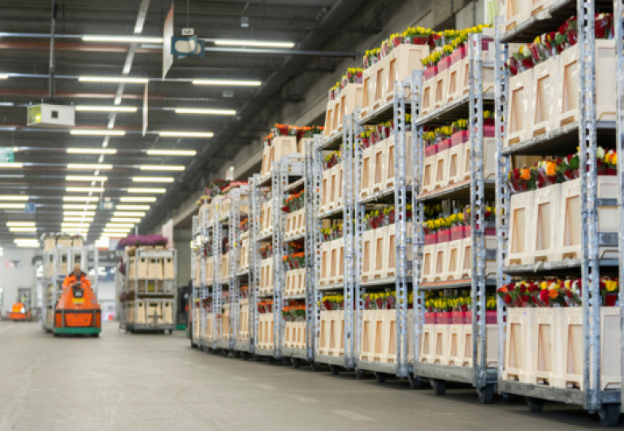
Supplies of Peruvian sweet onions are expected to be tight as the 2015-16 production season begins. “Peruvian sweet onion hectares are down this season by 30 percent due to overproduction and very poor prices last season,” John Shuman, president of Shuman Produce Inc., said on Aug. 10. “The harvest has begun in Peru and supplies are tight as we begin the season. Supplies are expected to remain tighter than normal as harvest is ramped up across the industry as we move into September.” Supplies of Peruvian sweet onions are expected to be tight as producers move into production during the 2015-16 season. Supplies are expected to remain tighter than normal going into September. (Photo courtesy of Keystone Fruit Marketing Inc.)
Although the Agricultural Marketing Service of the U.S. Department of Agriculture expected light shipments of Peruvian sweet onion imports would begin around Aug. 2, the National Potato and Onion Report dated Aug. 7 did not show any activity.
This past January, Miguel Ognio Gomez, chief executive officer of KeyPerú, provided some comments and insights about the 2014-15 shipping season in the publication Agraria. According to Ognio Gomez, a total of 135,000 tons of Peruvian sweet onions were shipped at a value of $50 million (US dollars).
According to Ognio Gomez, this tonnage represented half of onion supplies that were available for export. He added the other half of the crop was left in fields unharvested.
Overproduction during the season resulted in lower prices. “Our country planted about 3,500 hectares of sweet onions this season, when we normally plant between 2,500 and 3,000 hectares,” he commented.
Ognio Gomez also noted that the United States is the main market for Peruvian sweet onions, receiving approximately 80 percent of the volume. Last season, he went on to say, production for some American producers was delayed, thereby creating a surplus of onions in the marketplace. Higher prices for sweet onions in the United States resulted in reduced sweet onion purchases and variety substitution by consumers.