Waste not, want more: Imperfectly Delicious Produce gaining traction
Waste not, want more: Imperfectly Delicious Produce gaining traction
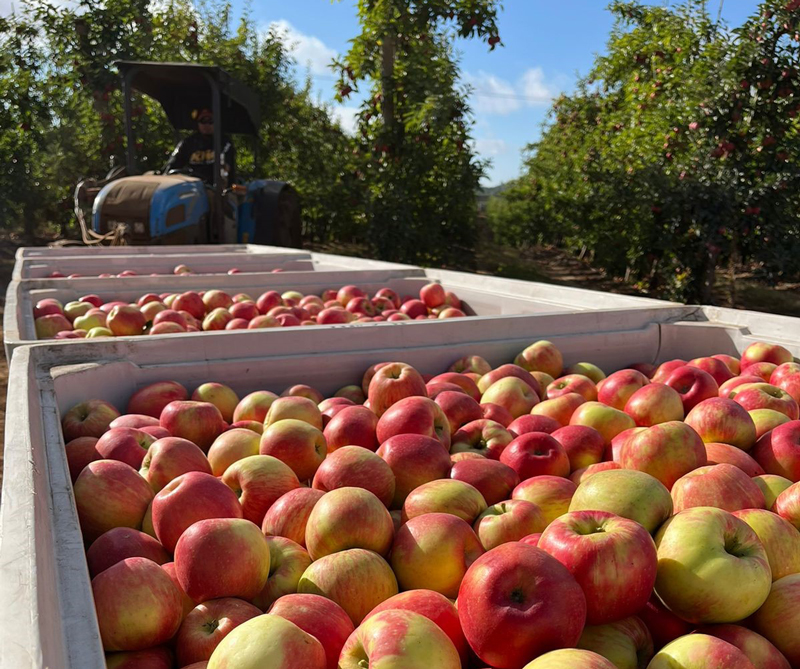
The gross amount of food that goes to waste in the produce industry — from the farm all the way to the kitchen or dining table — is not news to professionals.
It’s unfortunate but true that Americans demand the most visually appealing fresh produce where they shop. Foodservice operators are slightly different. Often the fruits and vegetables they use are cut up and combined with other ingredients to create menu items. Product like this spinach, which does not meet the grade standards for sale at retail, is used in the Imperfectly Delicious Produce program run by Compass Group.
Despite that, the result of consumers’ penchant for perfect produce is the high percentage removed from the product in the field during harvest and at repack and distribution facilities.
Romaine is one example. According to Charlotte, NC-based Compass Group USA, growers calculate that getting 10 percent more yield out of each acre could help pay for the extra labor and take better advantage of all the resources that went into growing.
In April 2014, Compass Group, with its procurement arm Foodbuy and in partnership with subsidiary Bon Appetit Management Co., established Imperfectly Delicious Produce, commonly referred to as IDP, to rescue fruits and vegetables that are cosmetically imperfect from growers and distributors.
“This produce might have languished in fields or been sent to composting or a landfill simply for not meeting an artificial standard of attractiveness,” said Jason Dye, senior manager of category development for Foodbuy. “We had a previously established relationship with Church Brothers, a grower in Salinas, California. We contracted with them for various products that we feature throughout the country, such as chopped Romaine, spring mix, green leaf lettuce, spinach and more.”
The IDP program was initially focused on a second growing cycle on freshly cut acres of spinach, where chef clients of Foodbuy would purchase the spinach as IDP. Traditionally, a second cut is not done because the outcome is slightly imperfect greens.
During a Compass chefs’ tour in the summer of 2014, the team also identified waste in Church Bros.’ processing operation. They included broccoli fines, the small florets that get left behind during processing, and cascade greens, a blend of the small leaves inside the heads of Romaine and green leaf lettuces that are too small to be sold.
“The team also observed the Romaine lettuce harvest, where pickers were pulling off the crisp outer leaves to form perfectly sized heads for market, then tossing the discarded leaves on the ground, effectively forming a salad bowl of greens left on the soil,” explained Dye. “They asked what it would take to save them because chefs typically don’t need perfect looking lettuce leaves when they are cutting them up to use in salads. That’s when they learned that growers could get 10 percent more yield out of each acre if that otherwise wasted product could be sold.”
As a good thing tends to evolve into a domino effect, IDP also discovered that by utilizing this otherwise wasted product, they were also conserving California’s precious water — enough to fulfill the use of nearly 3 million people per day.
California grower-partners have so far rescued enough produce for 140,000 people to reach the Daily Recommended Value of produce consumption for one year with only incremental water use.
“IDP now has grower-partners in nine states,” said Dye. “And our work has only just begun. Today the product mix in each market consists of seasonal products grown by local farmers and also products from national growers. Both sources are important and complement one another throughout the year.
“In June 2015, year to date, Compass Group IDP purchases met the fruit and vegetable RDA requirements for 125,000 people for one day by implementing the IDP program,” Dye continued. “IDP rescued over 188,000 pounds of produce that would have otherwise been discarded or sent to compost or waste.”
What’s next for IDP? It plans to expand its otherwise wasted produce line in more ways. Dye questions, for example, why the standard for cauliflower is white. What if the vegetable’s natural color — warm yellow — was allowed to shine?
“Our initial focus was to identify viable items and create the operational efficiencies throughout our supply chain in order to properly establish the market for IDP items,” Dye pointed out. “Now that we have a foundation to build upon we can enhance our marketing efforts at the unit level in order to properly tell the story and further grow the program.”