In the Trenches: Source packing can ease workloads for produce managers
In the Trenches: Source packing can ease workloads for produce managers
In making my usual rounds to numerous supermarkets, I can easily see it’s that time of year again when heavy consumer demand for summer produce items picks up dramatically. It’s all about melons, stone fruit, grapes, cherries, berries, sweet corn, fresh-cut fruit and outdoor grilling items.
Produce managers have to tackle increased workloads with the high volume of seasonal tonnage moving through the sales system. It takes additional effort to keep all the summer displays fully stocked along with time spent in the backroom processing other products. Labor-intensive lettuce requires trimming and crisping.
As always, I can never resist stopping to chat with produce managers about their everyday experiences. They speak about their obstacles, dilemmas and challenges, including some interesting sales success stories.
During conversations, it’s not unusual to hear one of the most frequent concerns that is often repeated at the store level: labor. Harkening back to my own past produce manager experiences, I can relate to not having enough labor during summer months.
When asking produce managers how things were going, most replied, “I don’t have enough help” or “They keep cutting my hours.” This is the sad part about trying to keep the departments running on a full engine, especially with all the new produce varieties and special programs being constantly introduced. Source-packed lettuce is relatively labor-free.
So, how can we help these skilled, hard-working department managers? What could our industry offer to support the labor challenges at the store level?
Much of that help has been made available by various growers, shippers and suppliers. Source-packed produce is a huge part of the industry these days and is becoming more popular as productivity calls for further reductions in product preparation work in the stores.
Why do some companies insist on making produce employees work harder in 2015? Some of the backroom tasks today are being performed as they were back in the 1920s. I’m referring to trimming lettuce, cabbage, celery and other vegetables, then having to run them through the crisping process — all of which takes very costly time and labor.
The trimming and crisping process is still practiced by some supermarket chains because executives feel It looks nice on display. I agree, but times change and work processing needs to change with it as labor becomes more and more costly and hours keep getting chopped. We need to reduce as much manual work at the store level as possible in order for the produce managers to keep up with the rapidly rising sales volume.
The answer, of course, is source-packed produce.
Why load and ship truckloads of leaf lettuce, celery, green onions and cabbage long distances to the stores then have to trim off the outer portions only to pay a fee to have the trash picked up? It makes no sense.
The better choice is to have the product trimmed in the field, packaged at the facility, and have the produce managers simply open the cartons and stock the displays. Furthermore, the displays will always be full, since no labor stoppage for trimming and processing is necessary.
Produce packaging in the United States is expected to increase each year. With modern technology, manufacturers have created and are using recycled sustainable packaging materials that are friendly to the environment. All packaging will eventually be 100 percent recyclable and biodegradable.
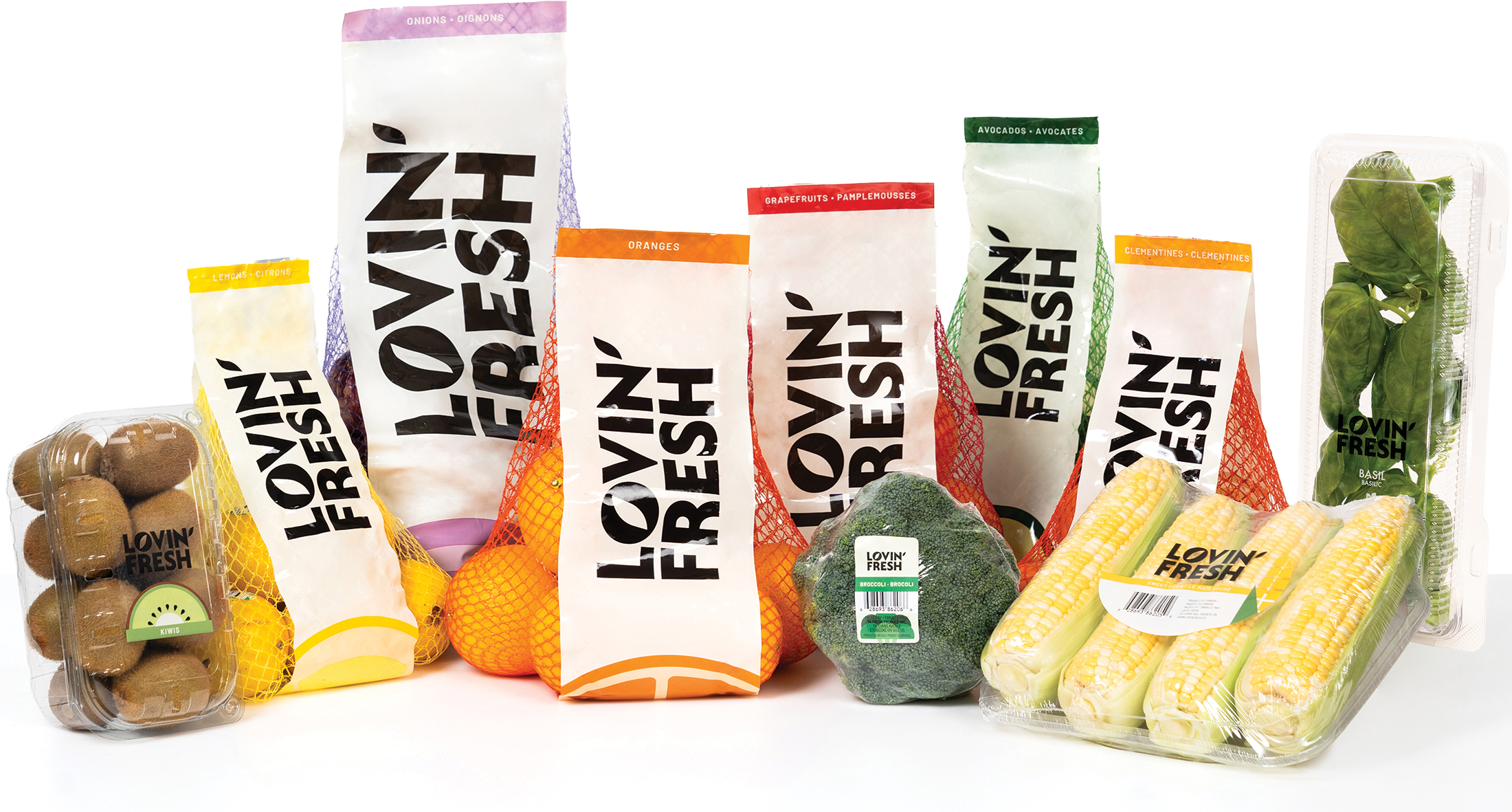
Consider how far we’ve come in the produce industry. Just look at all the items that are easier to handle, labor-free and help guarantee a fully stocked display: poly sleeved celery, packaged leaf lettuce, bagged grapes, bagged cherries, clamshell berries, bagged asparagus, bagged green onions, packaged green beans, poly capped broccoli, packaged salads and fresh-cut fruit. Plus, there is more to come as growers and shippers continue to create and innovate new exciting packaged products.
Source-packed produce has many benefits and will deliver more profit to the bottom line. Packaging prevents dehydration, keeps product clean, has less shrink spoilage, less waste and saves on employee labor. It also allows for employees to be out on the sales floor maintaining full displays and servicing customers, which is the main objective for sales growth.
Start allowing the produce managers to better perform their jobs by preventing labor-intensive tasks. If you haven’t already done so, get with the times and let go of the past. Leave the trimmings in the field, eliminate old-fashioned backroom labor, and by all means help the store produce employees spend their time out on that sales floor where the action takes place.
Ron Pelger is the president and CEO of RonProCon, a consulting firm for the produce industry, and a co-founder of FreshXperts LLC, a group of produce professionals. He can be reached by phone at 775/853-7056 or 775/843-2394 (mobile) or by email at [email protected].