High-graphic Sunkist bins accentuate the product
High-graphic Sunkist bins accentuate the product
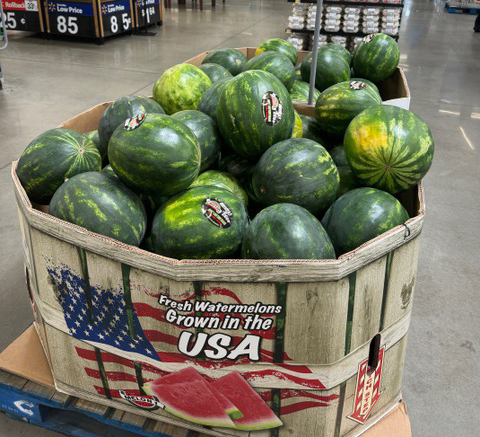
Digital printing, which can produce high-graphic images in a quicker time frame and easier manner, has allowed Sunkist Growers to expand the use of bins at retail.
Joan Wickham, advertising and public relations manager for the nation’s largest citrus co-op, said bins are an excellent way to increase the sales of fresh citrus. The dynamic graphics give a “fruit forward” look and can create an eye-popping secondary display at retail. And now, with digital printing, Sunkist can create a retailer-specific bin in far fewer quantities than used to be the case. Consequently, retailers of virtually any size can have a customized bin with their own name on it to put in their produce departments.
 Finger limes are a favorite among the chef community.Wickham said these secondary displays allow a produce department to better maximize and utilize its available space while, at the same time, creating a platform for consumer education. The bins typically have a holder for recipes and product information, and the customizable colorful graphics allow for other messages, such as nutritional information. On the company’s “Zebra Lemon” bin for example, consumers are told that the product is an excellent source of Vitamin C, fat free, sodium free and low in calories.
Sunkist was touting the bin at the recent United Fresh Produce Association convention in Chicago, along with new high-graphic point-of-sale material. The company’s booth was also utilized to bring attention to a couple of other items of interest.
Wickham said finger limes are a niche specialty variety gaining much favor among the chef community. When cut open, the finger lime — so named because it approximates the shape of a finger — reveals dozens of caviar-sized flavor bites. Chefs are using it in a variety of ways in unique dishes, as well as garnish for upscale plating. In fact, Sunkist was sampling it at its booth in an interesting finger lime cocktail.
Native to Australia, the finger lime has small commercial production in the United States, mostly in California’s citrus-producing regions near the coast. The caviar comparison is made in a number of ways, and in fact, in some circles it is called a caviar lime.
While finger limes are obviously a small niche item at this point, Wickham said, “We are very excited about the possibilities. Only a few years ago, Meyer lemons were a niche item and now you find them everywhere.”
She believes the finger lime could have a similar impact down the road.
The newest lemon the Sunkist team was featuring was the aforementioned Zebra lemon. The peel has a yellow and green striped appearance, hence the Zebra name. During a video presentation at one of the United general sessions, a Sunkist grower touted that lemon as one of her newest items.
Wickham said that while Sunkist is obviously well known for its oranges and standard lemons, the firm’s growers produce more than 40 different varieties of citrus that are marketed all over the world.
As summer approaches, Sunkist is at the tail end of its Navel orange season, but it’s at the peak of production for Valencia oranges, which is the main juicing orange variety. Lemons from California and Arizona are also in season, as are limes, which, for the most part, are sourced in Mexico.
Additionally, Sunkist is now offering its customers organic, California-grown limes. Volume is currently limited as production just began, but supply will increase during peak season and in years to come as the trees mature. With growing consumer demand for organic produce and the lime category, the company thinks this offering has a lot of promise.