Heath & Lejeune: veterans in organic sales
Heath & Lejeune: veterans in organic sales
Organic produce is clearly a growth item and many wholesalers have added an organic category to their product list. Heath & Lejeune, a Los Angeles-based distributor, is not in this Johnny-come-lately category.
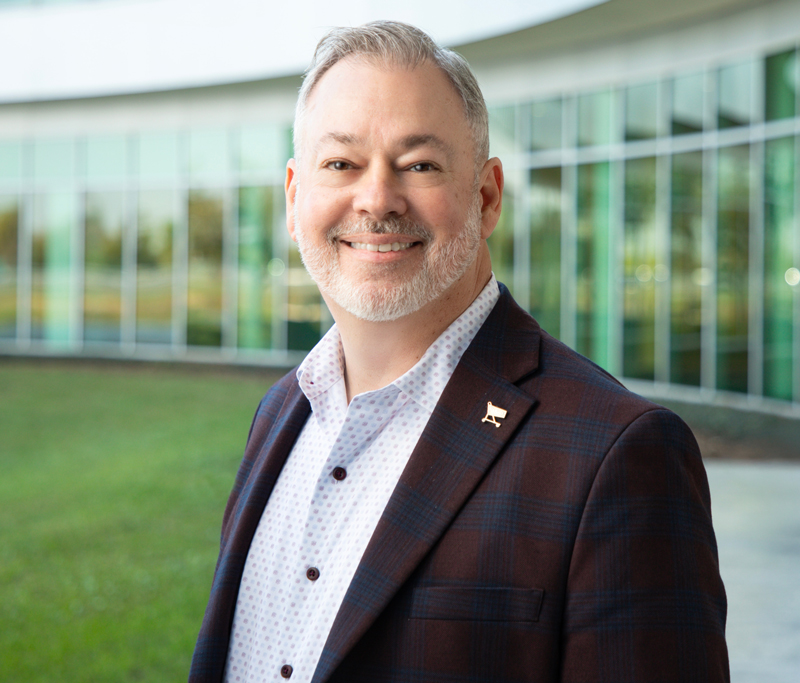
“We’ve been specializing in organic produce for the last 20 years,” said CEO Rick Lejeune.
And while the company’s list of customers cut across all sectors, they do much of their business also with established organic retailers and wholesalers that have a passion for the product. “We work with everyone, but we tend to gravitate toward the true believers. That’s not a value judgement but we like to work with people who are really excited about selling organic produce.”
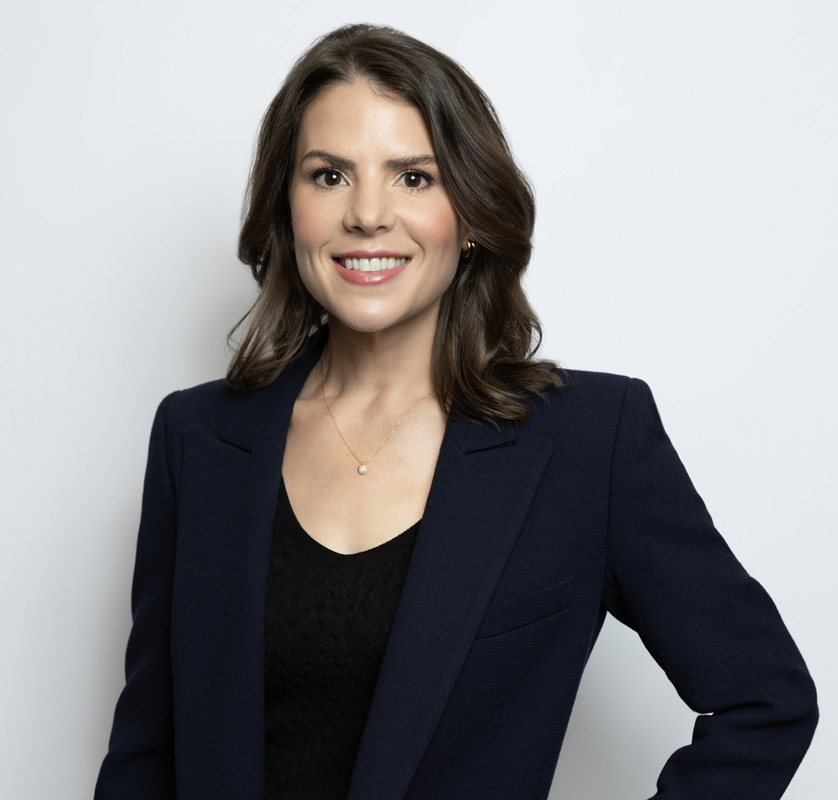
 Rick Lejeune (center) with daughter Elana and son Nick, both of whom work for the company.Since the early 1990s, Lejeune has seen the category explode to the point where Costco is now considered the nation’s largest seller of organic produce. It recently wrestled that title from Walmart. Heath & Lejeune count Whole Foods among its largest customers and note that for most of the past two decades ago, Whole Foods was the largest organic retailer in the country.
The Los Angeles firm sells lots of smaller, natural foods retailers as well as other organic distributors all over the country. The company’s proximity in Los Angeles gives it access to a lot of organic specialty items that are not as readily available all over the country. “We tend to specialize in the hard-to-find things,” he said.
Lejeune came to the organic industry in the true believer category. “After dropping out of college in the 1970s, I ended up in Santa Cruz helping to build the UC (University of California) Santa Cruz farm and garden project. From there about 20 of us tried to live off the land on a farm in Arkansas.”
He admits that naiveté and youth got in the way of overwhelming success so he eventually came back to the Los Angeles area in the late 1970s, and did find work on the Seventh Street Market. He basically sold conventional produce for about a decade. In 1981, Heath & Lejeune, a successful brokerage operation, was formed by his father, Pat Lejeune, and Harland Heath. By the late 1980s, Rick Lejeune was working with that firm and started the organics department.
The younger Lejeune was driven by his passion for that category. At the time there were few organic produce distributors in Los Angeles and he saw the need and an opportunity to represent smaller organic farmers in California’s largest city. Initially, Heath & Lejeune set up cooling, warehousing and consolidating services for that sector. Many organic producers could ship their produce to the Heath & Lejeune dock where it could be incorporated on a mixed load from Los Angeles.
But eventually the firm began to evolve as an organic distributor as well, and decreased its activity in conventional produce.
Today Lejeune says it only sources conventional produce on an occasional basis for a standing customer needing help.
The company considers itself a full-line organic distributor. Lejeune said it experienced significant growth in its first 20 years in that category and is now a mature company with more measured growth the past few years.
However, with that said, Heath & Lejeune just leased an adjacent building and will soon be doubling its cooling and warehouse space. “We expect business to continue to grow. We are bullish on the future” of organic produce sales. He said the trend toward healthy eating continues to grow and is a driver for increased organic sales.
While he does put himself in the “true believer” category, Lejeune is quick to separate the environmental advantage from the health benefit.
“In my opinion, the most important benefit of organic production is to the eco system. Its ability to help replenish the top soil and clean up underground water resources and air resources is the most important thing.”
He said the possibility of a few pesticide residues being on conventional produce is relatively insignificant, and he clearly does not believe that is the most important value-proposition for organic produce. He does see organic production as a significant plus for the environment and a positive move in combating global climate change.