Top Brass top in its class in organic production
Top Brass top in its class in organic production
Top Brass, headquartered in Shafter, CA, controls every aspect of production in its organic potatoes, table grapes, pistachios and almonds.
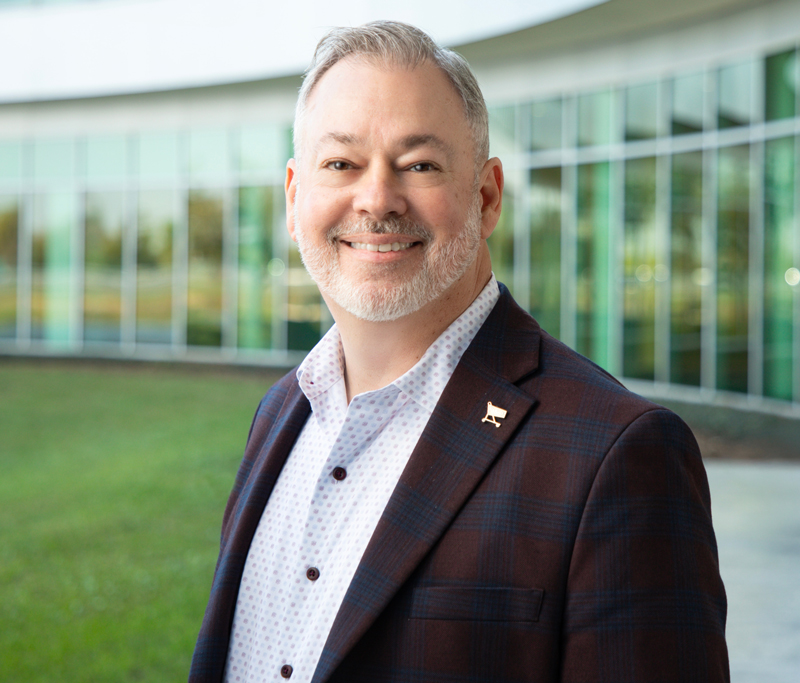
Brett Dixon, company president, said the company owns everything — from the land to the cold storage and packing and sales.
“We directly control every part of the process,” said Dixon. “We have been in business for 10 years, and our products are all produced in California, primarily in the Bakersfield area. We like a hands-on approach where we have complete control of our products.”
He explained that demand continues to increase on the retail end for more organic items, and even large chains are beginning to purchase locally grown items for their distribution centers.
“This not only makes sense by reducing freight and delivered costs, but it also reduces the carbon footprint by not shipping across the country to other areas that are already growing these types of items,” said Dixon.
He also pointed out that the increased demand for local organics is placing higher demands on growers to produce on more acreage.
“This isn’t always an easy task to achieve since land must be fallow for at least three years before an organic crop can be produced,” he said. “Thankfully we find ourselves in a position where we have slowly transitioned more and more acreage into organic land over the years. Having the diversity of crops is also very helpful to alleviate the transition time periods of lost revenue.”
Top Brass services large chain retailers, wholesalers and foodservice operators nationwide and in Canada. Its seasoned sales staff has a long average time span with the company, enabling it to work expediently and efficiently.
The company also continually makes updates to its operation.
“We recently installed five-acres of solar panels for our cold storage facilities, further reducing our carbon footprint,” said Dixon.
Looking to the future of organic produce, he said there is a general concern of overplanting.
“However, that three-year buffer of owning fallow land with no return is not easy for every farmer to get through,” he said. “This is especially true given the cost of land today, and expenses related to production and escalating water costs.”