Daisy Girl brand wildly successful
Daisy Girl brand wildly successful
In three short years, “Daisy Girl” organic fruit, marketed by Columbia Marketing International, has become a highly recognized brand.
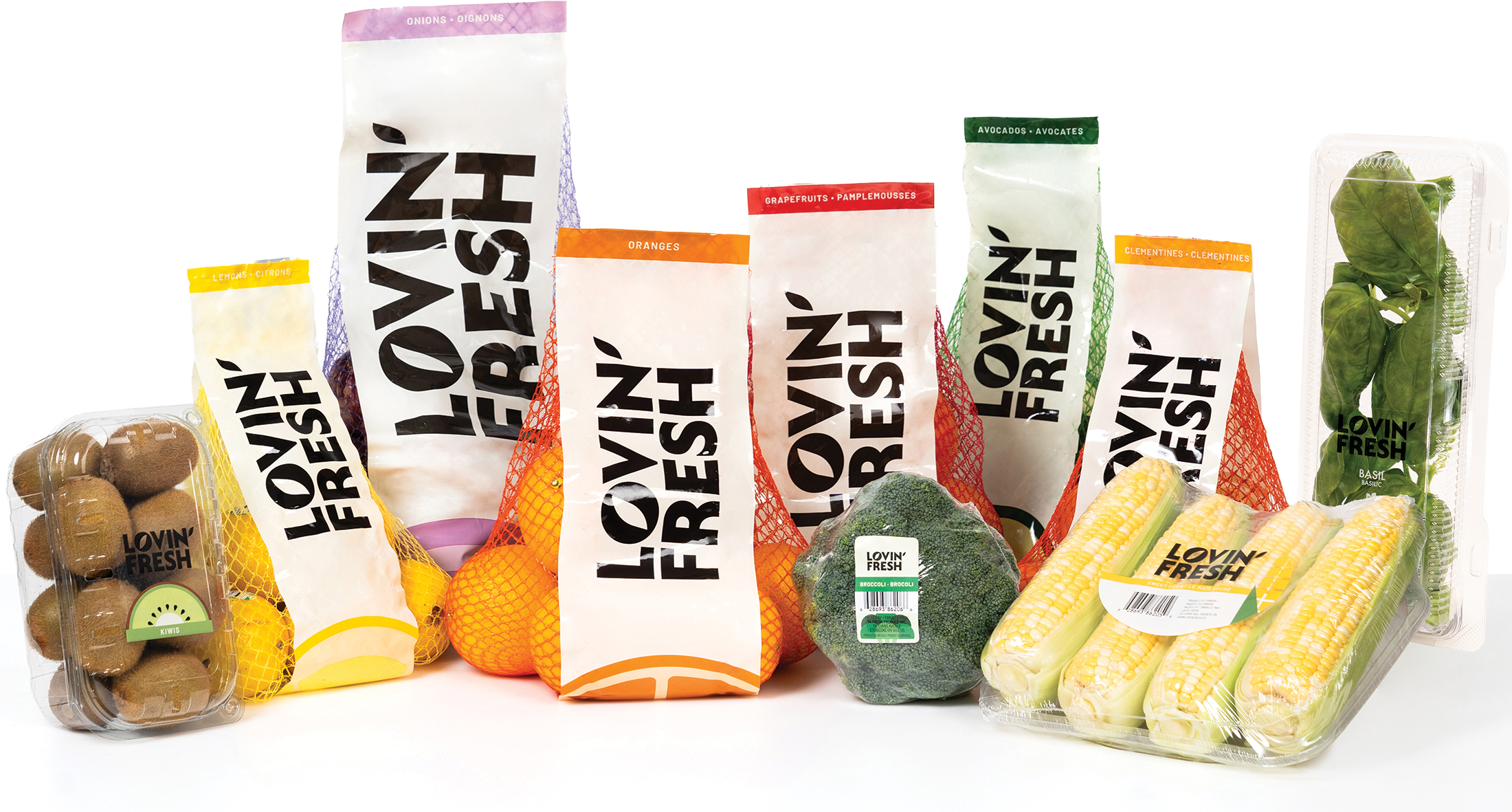
Steve Lutz, vice president/marketing, said a variety of factors are responsible. “First, the packaging on Daisy Girl is great. We focus on bright, vivid colors.”
 Columbia Marketing International focused on bright, vivid colors to package its ‘Daisy Girl’ organics brand. (Photo courtesy of Columbia Marketing International)Producers often use packaging dominated by green or brown to align with the traditional notions of how organic products have been marketed to consumers,” he told The Produce News. “We went the opposite direction, using bright colors to capture the attention of shoppers at retail while still communicating organic product values. Second, we have Daisy Girl products for all top apple and pear varieties. We even have Daisy Girl cherries [introduced last season]. The net effect is our retail partners can carry multiple products while creating a big branding impact on the store shelf because of the organic varietal mix. So even though the amount of product on the shelf is small, the bright Daisy Girl brand across multiple varieties helps displays appear much larger and more eye-catching to consumers.
CMI only markets Daisy Girl to its primary retail customers. “Our key retail partners always get the first opportunity to buy our organic apples and pears,” Lutz continued. “We then make remaining supplies available to infrequent customers. Our core supermarket customers are purchasing both conventional and organics, and they buy the vast majority of our available product. With the growing demand for organic, it’s a mistake if any retail buyer is counting on being able to call at the last minute and get high-demand products like Daisy Girl.”
In 2015, CMI will introduce totally new point-of-sale material and retail merchandising materials. “Increasingly, conventional retail stores are catering to shoppers that are looking for organics,” he said. “The bright Daisy Girl packaging, combined with retail POS, really helps call out the product on the shelf to drive sales. Unlike organic focused stores, we’ve found that a lot of shoppers in conventional supermarkets don’t have organics top of mind when shopping. So, bright packaging and POS materials are very helpful in triggering impulse purchases.”
Lutz said CMI continues to expand organic production. At the current time, organic apples account for 17 percent of CMI’s apple volume and 9 percent of pears.