Labor availability is top concern for California Grape & Tree Fruit League
Labor availability is top concern for California Grape & Tree Fruit League
FRESNO, CA -- "As we sit here today and look at the public policy issue, and as we are moving toward an election, the number one [issue] on our radar screen ... is labor availability and the importance of having a legal and adequate work force," said Berry Bedwell, president of the California Grape & Tree Fruit League, here.
"Having said that," Mr. Bedwell told The Produce News Monday, Aug. 21, "the biggest challenge is also probably the most difficult, given the political climate we are in right now."
Following the Senate's passage last spring of an immigration reform bill that would have been more to the industry's liking than the earlier House bill, the two bills should be in conference committee now, with members of the House of Representatives and the Senate working on a compromise version, he said. Instead, "the House Republicans have decided to delay that process and hold a series of hearings around the country to look at the problems involved with the Senate version of immigration reform. Unfortunately, what that means is that the probability to have any reform prior to the election is now slim at best."
The California Grape & Tree Fruit League, which represents growers of grapes and stone fruit in California, is working with members of Congress from the Central Valley, urging them to "reiterate with their own leadership the importance of immigration reform and that we really won't have border security -- which is number one on their agenda -- unless we have comprehensive reform that includes [a] guest worker [program] and some earned adjustment of status [for undocumented workers already in the country]."
As part of the effort to press that point, "we just announced in conjunction with United [Fresh Fruit & Vegetable Association] an immigration rally that we will have on Sept. 13 in Washington, DC," in conjunction with United's Public Policy Conference to be held Sept. 11-14 in Washington. That rally "will emphasize the need for immigration reform," he said.
Many in the agricultural industry have said that filling work crews has been more difficult since the immigration debate and pressure to increase enforcement heated up. But just how severe have those shortages been to date? "The Agricultural Coalition for Immigration Reform is trying to coordinate the information coming in from around the country on labor shortages," Mr. Bedwell said. As for the grape and tree fruit industries in California, he said, "we know ... that labor is short and is getting shorter. The available amount of labor is down an estimated 20 to 40 percent, which means that generally crews are smaller, and I've heard that the quality and the skill level of the workers is down." At the same time, growers are having to pay more to get their work crews.
"But having said that," he continued, are crops "wasting away in the field" because there are not enough workers to harvest them? If the grape and tree fruit industries this year had had normal or above-average yields, "we would be having [many] more problems," he said. "Take table grapes for instance. We had 96 million boxes of California table grapes a year ago. When we started this year, the first estimate was about 92 million. That estimate right now is 80 million boxes, so it has come down significantly, so part of the labor shortage is being mitigated by a shorter crop.
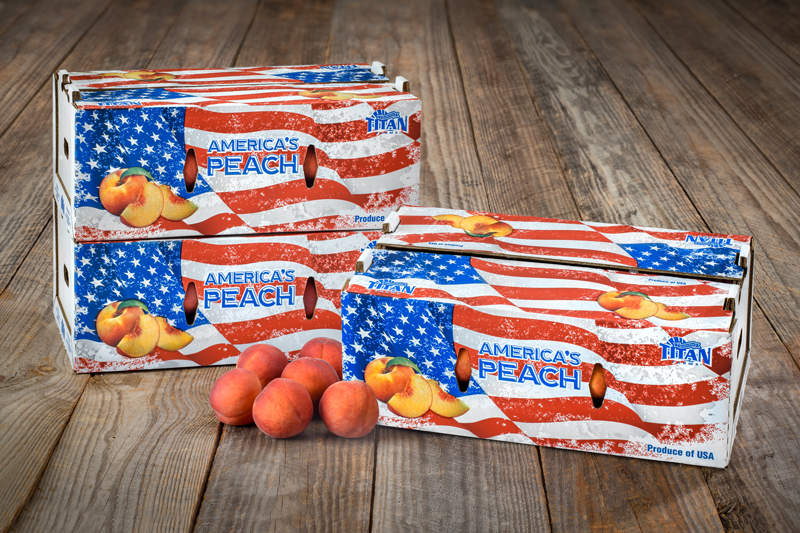
"The same can be said correspondingly for tree fruit. We will be down well below 50 million boxes in tree fruit, for peaches, plums and nectarines," he stated. That is well below the industry's potential, so the labor shortage is not having as much effect as it would if there were bumper crops to be harvested. "The word I keep hearing from our [members] is, 'We're getting by,'" he said.
But the "crunch" could still come this season, very possibly in the month of September. The harvest of tree fruit and table grapes continues, and in fact September will be a particularly big month for both this year because of the lateness of the crops. Also in September, "all of a sudden we are going to be picking wine grapes, we are going to be picking grapes for concentrate, we are going to be laying raisins down on the ground; all of that is going to come together."
The labor shortage is not yet affecting growers to the point that fruit is being left on the trees and grapes are being left on the vines, he said. "But that does not mean we are not getting there."
(For more on California fall fruit and grapes, see the Sept. 4 issue of The Produce News.)
"Having said that," Mr. Bedwell told The Produce News Monday, Aug. 21, "the biggest challenge is also probably the most difficult, given the political climate we are in right now."
Following the Senate's passage last spring of an immigration reform bill that would have been more to the industry's liking than the earlier House bill, the two bills should be in conference committee now, with members of the House of Representatives and the Senate working on a compromise version, he said. Instead, "the House Republicans have decided to delay that process and hold a series of hearings around the country to look at the problems involved with the Senate version of immigration reform. Unfortunately, what that means is that the probability to have any reform prior to the election is now slim at best."
The California Grape & Tree Fruit League, which represents growers of grapes and stone fruit in California, is working with members of Congress from the Central Valley, urging them to "reiterate with their own leadership the importance of immigration reform and that we really won't have border security -- which is number one on their agenda -- unless we have comprehensive reform that includes [a] guest worker [program] and some earned adjustment of status [for undocumented workers already in the country]."
As part of the effort to press that point, "we just announced in conjunction with United [Fresh Fruit & Vegetable Association] an immigration rally that we will have on Sept. 13 in Washington, DC," in conjunction with United's Public Policy Conference to be held Sept. 11-14 in Washington. That rally "will emphasize the need for immigration reform," he said.
Many in the agricultural industry have said that filling work crews has been more difficult since the immigration debate and pressure to increase enforcement heated up. But just how severe have those shortages been to date? "The Agricultural Coalition for Immigration Reform is trying to coordinate the information coming in from around the country on labor shortages," Mr. Bedwell said. As for the grape and tree fruit industries in California, he said, "we know ... that labor is short and is getting shorter. The available amount of labor is down an estimated 20 to 40 percent, which means that generally crews are smaller, and I've heard that the quality and the skill level of the workers is down." At the same time, growers are having to pay more to get their work crews.
"But having said that," he continued, are crops "wasting away in the field" because there are not enough workers to harvest them? If the grape and tree fruit industries this year had had normal or above-average yields, "we would be having [many] more problems," he said. "Take table grapes for instance. We had 96 million boxes of California table grapes a year ago. When we started this year, the first estimate was about 92 million. That estimate right now is 80 million boxes, so it has come down significantly, so part of the labor shortage is being mitigated by a shorter crop.
"The same can be said correspondingly for tree fruit. We will be down well below 50 million boxes in tree fruit, for peaches, plums and nectarines," he stated. That is well below the industry's potential, so the labor shortage is not having as much effect as it would if there were bumper crops to be harvested. "The word I keep hearing from our [members] is, 'We're getting by,'" he said.
But the "crunch" could still come this season, very possibly in the month of September. The harvest of tree fruit and table grapes continues, and in fact September will be a particularly big month for both this year because of the lateness of the crops. Also in September, "all of a sudden we are going to be picking wine grapes, we are going to be picking grapes for concentrate, we are going to be laying raisins down on the ground; all of that is going to come together."
The labor shortage is not yet affecting growers to the point that fruit is being left on the trees and grapes are being left on the vines, he said. "But that does not mean we are not getting there."
(For more on California fall fruit and grapes, see the Sept. 4 issue of The Produce News.)