FDA weighs in on GMO Arctic apples and Innate potatoes
FDA weighs in on GMO Arctic apples and Innate potatoes
WASHINGTON — Just weeks after the U.S. Department of Agriculture deregulated two varieties of genetically engineered Arctic apples, the Food & Drug Administration announced that Arctic apples are safe for consumption, along with six varieties of Innate potatoes genetically engineered to lower the potential for acrylamide and black spot bruising.
Based on company documents, FDA found that food and feed from the GMO crops are not “materially” different in safety, nutrition, composition or any other traits from apples or potatoes on today’s market.
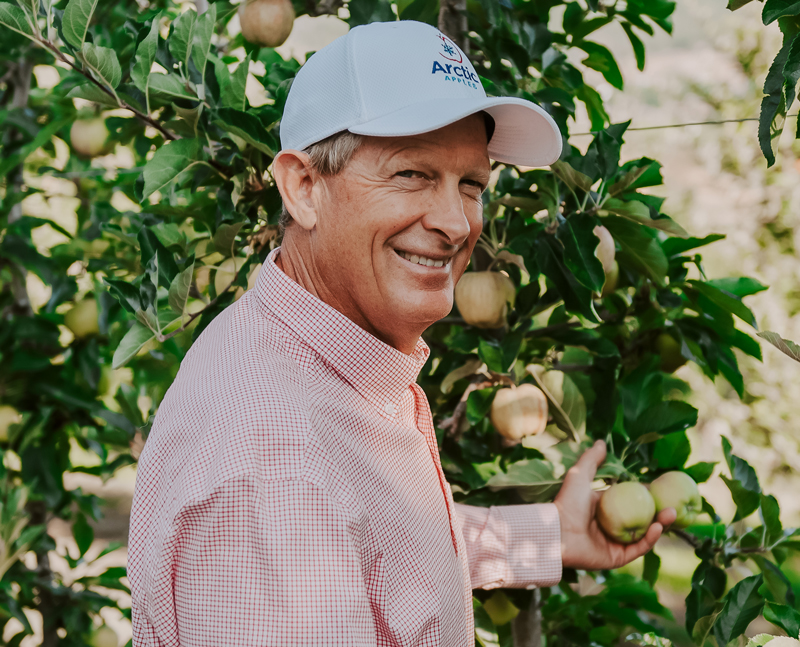
Okanagan Specialty Fruits Inc.’s Granny Smith and Golden Delicious varieties are genetically engineered to reduce levels of enzymes that can cause browning. Last month, USDA cleared the way for the company to grow and propagate the trees and the company said it would begin test marketing the products as early as 2016.
The U.S. apple industry is not a fan of the GMO varieties and says consumers will make the ultimate choice in the marketplace.
UDSA also cleared J.R. Simplot Co.’s Ranger Russet, Russet Burbank and Atlantic potatoes for commercial planting in 2014. These products are genetically engineered to lower the levels of asparagine and reducing-sugars, thus lower the potential for acrylamide during heating, and to lower the level of endogenous enzymes that reduce the potential for black spot bruising.
“The potato industry supports a strong regulatory and food-safety review for new technologies before they enter the market place," said Steve Holton of the National Potato Council. "The FDA announcement concludes a thorough review of this new potato variety. We have confidence in the conclusions of that review. Our industry is committed to providing consumers a range of choices in varieties and characteristics of potatoes consistent with their preferences including genetically modified or non-genetically modified.”
Potato growers have been looking for an answer to concerns about acrylamide in french fries, though it’s unclear whether the new technology would disrupt trade or be on McDonald’s menu as the fast-food giant announced last year it had no plans to source GMO potatoes.
Consumer group Center for Science in the Public Interest said there’s no reason the GMO potatoes and apples would pose any food-safety or environmental risk, but said the process for reviewing these new crops is flawed.
“What has happened in the case of these two products is a voluntary consultation ‘encouraged’ by the FDA,” said CSPI Biotechnology Director Gregory Jaffe. “No regulatory process should have to rely on the voluntary acquiescence by the regulated party.”
Jaffe called on Congress to pass legislation that would require new biotech crops to undergo a mandatory approval process before foods made from those crops reach the marketplace.