Palaima continues Chilean trade leadership
Palaima continues Chilean trade leadership
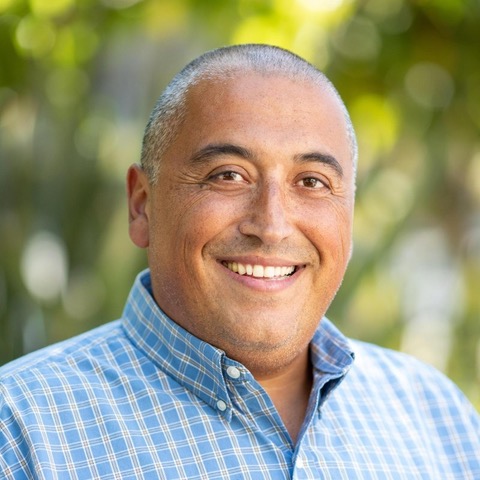
PHILADELPHIA — Robert Palaima jokes that he is “president for life” when it comes to the Chilean & American Chamber of Commerce of Greater Philadelphia. Palaima has held the volunteer position since 2008.
“On a personal level, I’m happy to give the reins to someone else if they wanted. But I’m proud to keep the show on the road. We work hard. We take pride in the CACC. It’s the most active of Greater Philadelphia’s international chambers.”
Palaima credits Ricardo Maldonado, the Chilean chamber’s executive director, for his experience and doing great work in managing the group, which has enjoyed a consistent membership.
“We have been able to demonstrate the value of the chamber. Especially when we address regulatory and inter-governmental issues that pop up.”
Asked about the Chilean chamber’s relationship with the effort of Ship Philly First’s courting of ocean freight from Veracruz, Mexico, Palaima noted, “All of us in the chamber wear multiple hats. We support increased trade in general through the port and the region. What’s good for the port is good for the region.”
The Chilean chamber “continues to surprise a lot of our guests from Chile” who attend meetings that are consistently sold-out. “We have crowds in the hundreds. This solidifies our position” of the importance of Philadelphia to Chilean trade.
DRS
When he is not working through the Chilean Chamber to build commerce between Chile and the ports of the Delaware River, Palaima is the president of Delaware River Stevedores Inc. DRS describes itself as “one of the largest and most capable cargo-handling companies in the Mid-Atlantic region of the United States. Operating at multiple locations in the ports of Camden, NJ, Philadelphia and Wilmington, DE, DRS offers a large supply of experienced waterfront labor and maintains a large and specialized equipment fleet along the Delaware River.”
DRS also manages the Tioga Marine Terminal, which involves docks, gantry cranes, a warehouse designed to handle fresh produce and other cargo, and 180 reefer container plugs to keep containers cool until pick up.
Palaima said Tioga’s fruit volume has declined in recent years, but the terminal remains available as a supplement service. “We are still hopeful of being participants and partners in the trade.”
In July, Tioga began handling Brazilian wood pulp. “This will be a big cargo, we hope.
“We intend to stay active in fruit and perishable trade. We have upped our reefer warehousing space and are trying to right-size our facility to meet demand as we see it and provide carriers and shippers with viable alternatives as they see it. Our intention is not to be the biggest but to provide people with niche service to fulfill their needs.”