Georgia a national contender in fresh fruit, vegetable crops
Georgia a national contender in fresh fruit, vegetable crops
Fresh fruit and vegetable production is big business in Georgia, and prospects for future growth are bright. “[We] consistently rank in the top five nationally for fresh fruit and vegetable production,” said Samantha Kilgore, director of communication for the Georgia Fruit & Vegetable Growers Association. “We’re proud of that. There’s an increase of production in all areas.”
“Fruit and vegetable production is almost a billion-dollar industry at the farm gate in Georgia with over 170,000 acres in production,” the association’s website states. “Georgia produces a wide variety of fruit and vegetables. Most Georgia fruits and vegetables are grown for the fresh market to be sold and consumed in other states. The GFVGA provides programs and services to the membership designed to increase production efficiencies, provide educational opportunities, promote new markets, monitor legislation, encourage applied research and improve communications among GFVGA members and industry suppliers.”
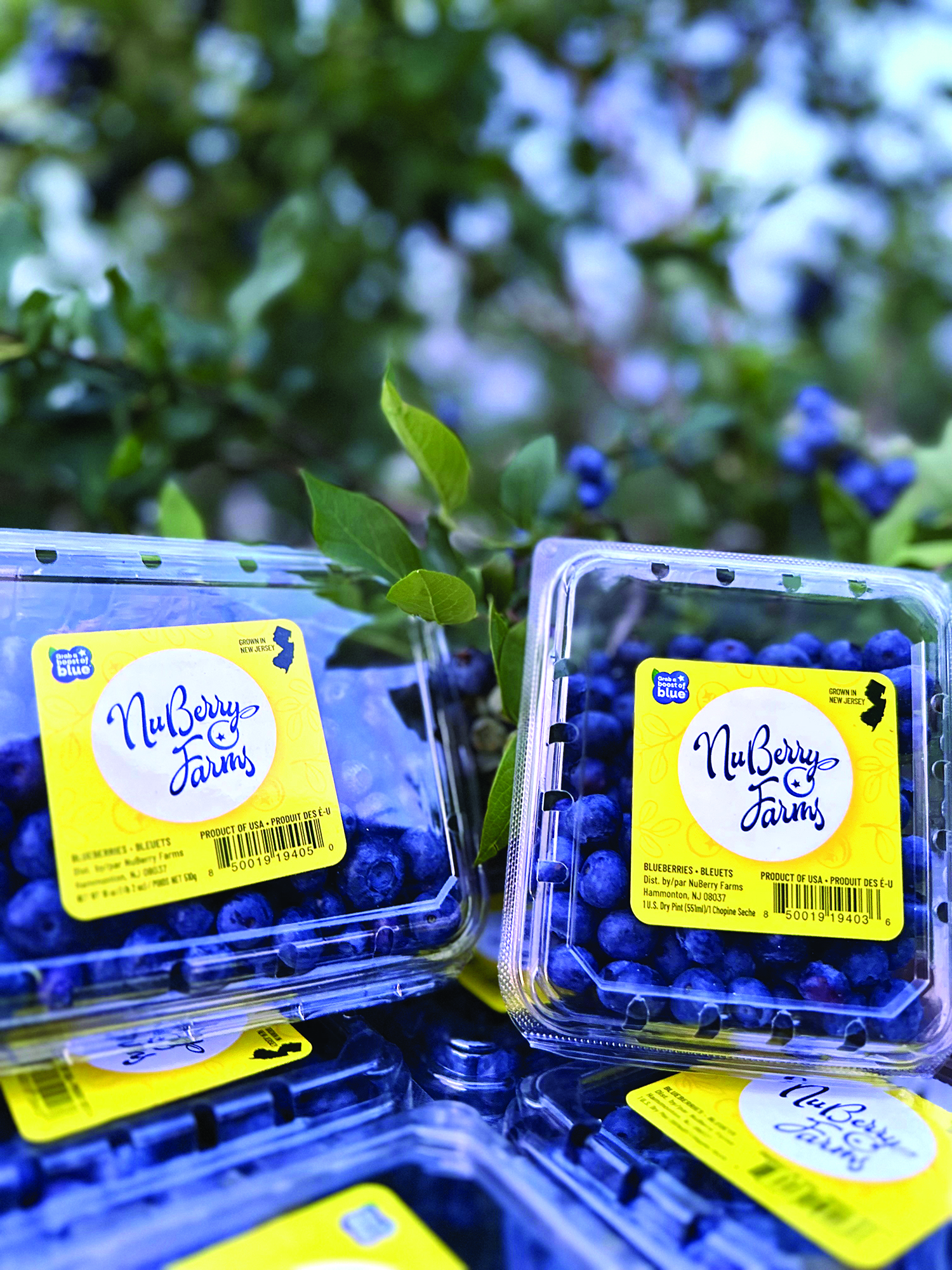
The state’s commodity list of fresh produce is extensive and includes watermelon, cantaloupe, peaches, blueberries, tomatoes, bell peppers, zucchini, onions, sweet corn, cucumbers and greens.
Although rain hampered growers earlier in the season, resulting in some crop replanting, overall conditions are good. “It’s going to be a great year for production,” Kilgore told The Produce News. “Our growers are busy getting everything into the ground.”
In addition to domestic consumption, Kilgore said opportunities present themselves for fresh produce to be exported.
Consumers want to know more about the companies producing the food they eat, and Kilgore said there is a push to bring producers and consumers together. Interest in agritourism has never been stronger. “It’s more than U-Pick operations,” she said. “People want the farm experience. Georgia producers are on board with being transparent.”
According to the 2012 Georgia Farm Gate Value Report, released last November by the Center for Agribusiness & Economic Development of the University of Georgia, ag-based tourism had a farm gate value of approximately $194 million that year.
Kilgore said Agriculture Commissioner Gary Black continues to push for increased recognition of Georgia production through the Georgia Grown program. “Our No. 1 goal is to aid our agricultural economies by bringing together producers, processors, suppliers, distributors, retailers, agritourism and consumers in one powerful, statewide community. We’re here to help new agribusinesses grow, and established agribusinesses thrive,” the program’s website states.
A variety of branded material is available for use, including wearable items that also support the program.
“We are seeing a lot of people identify product as Georgia grown,” Kilgore said. “I think producers are hopping on that wagon. Growers want that connection.”
Kilgore said retailers are increasingly taking advantage of special promotion programs, such as Meet Your Farmer, to put a real face to Georgia agriculture. She said consumers have the chance to actually meet farmers and discuss their operations right in the produce department.
The University of Georgia report provided the following data about fruit and vegetable production in Georgia during 2012. As a category, fruit and vegetables had a farm gate value of approximately $1.260 billion.
Rankings for the top 60 commodities in 2012 revealed the following data for rank/commodity/approximate farm gate value/percent of Georgia farm gate value for fresh produce:
Blueberries: 12/$229.2 million/1.64 percent; watermelon: 15/$186.2 million/1.33 percent; onions: 17/$163 million/1.17 percent; miscellaneous vegetables: 21/$114.7 million/0.82 percent; bell peppers: 22/$108.8 million/0.78 percent; sweet corn: 26/$79 million/0.57 percent; cabbage: 32/$45.9 million/0.33 percent; cucumbers: 34/$43.3 million/0.31 percent; tomatoes: 35/$39 million/0.28 percent; peaches: 36/$33.8 million/0.24 percent; greens: 37/$33 million/0.24 percent; zucchini: 39/$27 million/0.19 percent; cantaloupe: 40/$21.9 million/0.16 percent; strawberries: 48/$9.8 million/0.07 percent; apples: 49/$9.4 million/0.07 percent; blackberries: 53/$6 million/0.05 percent; grapes: 54/$6 million/0.04 percent; and other peppers: 56/$4 million/0.03 percent.