Florida tomatoes make healthy statement in the Big Apple
Florida tomatoes make healthy statement in the Big Apple
NEW YORK - -The Florida Tomato Committee, headquartered in Maitland, FL, made a healthy statement on the morning of May 2 when it hosted the morning "Skipping breakfast is bad" event here at the Cornell Club. Samantha Winters, director of education and promotion, and Reggie Brown, manager, represented the committee, and they brought Steven Schwartz of Ohio State University.
Mr. Brown explained to the group of consumer and trade editors from Good Housekeeping, Martha Stewart Everyday Foods, Parenting, Women's Day and others that tomato growers in Florida have faced some major challenges in the past year. Hurricane Wilma in October caused the loss of 16,000 acres. Then, just as recovery seemed within reach this year, a severe frost on Valentine's Day caused additional crop damage, especially on the west side of the state. But the Florida tomato industry has proven itself to be resilient once again, and it is wrapping up its season by delivering as high a quality crop as ever.
"It is said that nothing tastes as good as a homegrown tomato," Mr. Brown told the audience, "but Florida-grown tomatoes are the next best thing. Several new varieties have been developed that will reach the market next season. One is the variety that you are being served today: the Scarlet Red."
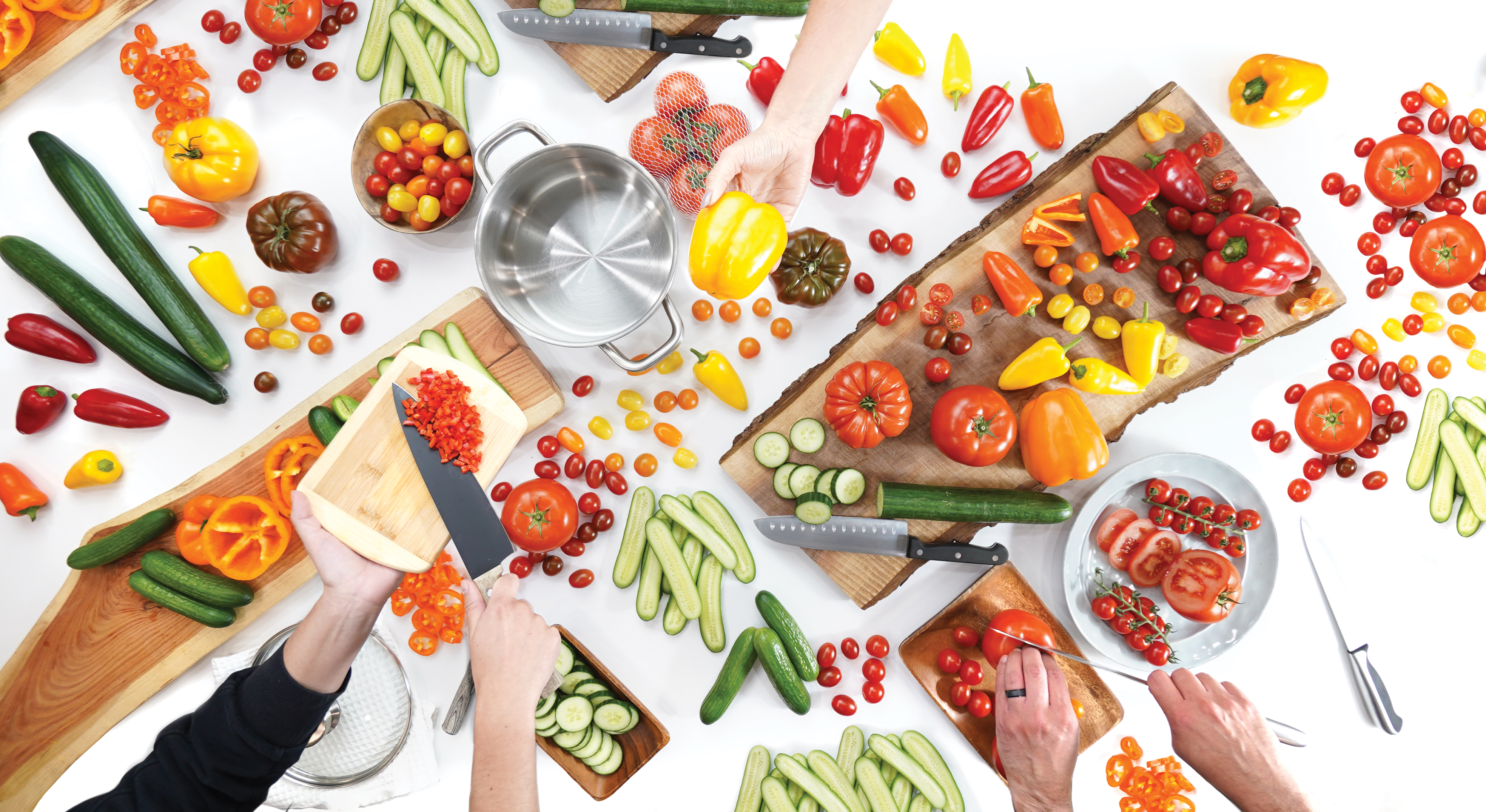
The Cornell Club served an elegant breakfast featuring the variety, beginning with a smoked salmon, bagel, onion and tomato platter, fresh tomato gratin as a side dish to a quiche and even tomato bread pudding for desert. Ms. Winters said that the tomatoes were hand-carried on the airplane from Florida to ensure that they arrived in perfect condition.
"The varieties were developed at the Gulf Coast Research & Education Center in Bradenton, a part of the University of Florida's Institute of Food & Agricultural Sciences, under the direction of horticulturist Jay Scott," said Ms. Winters. "Jay is breeding new varieties of tomatoes that contain a crimson gene, which gives tomatoes a deeper red color. More important, however, the gene also increases tomatoes' levels of lycopene, a substance that research shows [has] health benefits. Harris Moran Seed Company is producing the seed."
Sharing news of the health benefits, especially related to prostrate cancer, was the primary purpose of the breakfast. Dr. Schwartz provided the commentary to a slide presentation that demonstrated the results of several research studies and other data collected over the past decade.
"Epidemiologic, clinical, animal and in-vitro studies clearly indicate the health benefits of tomatoes, with the most dramatic results pointing to prostate cancer risk reduction," explained Dr. Schwartz. "Much of the credit has been given to lycopene, which is a potent antioxidant found abundantly in tomatoes."
He added that although lycopene receives the primary credit for the positive test results, its benefits are amplified by the interaction of the antioxidants and nutrients found in whole tomatoes. Also notable in his presentation were findings on how fats appear to maximize lycopene absorption in humans. This indicates that salads with tomatoes, for example, would be healthier when combined with avocado or cheeses.
"The more we learn about the health benefits of tomatoes, the more we realize how much there is to explore," said Dr. Schwartz. Numerous major studies, in the United States, Europe and other areas of the world, have also indicated a positive relationship between lycopene and the prevention of heart disease, lung and other cancers and even age-related eye disease. Given the luscious flavor and shelf appeal of tomatoes like the Scarlet Red, consumers will have the pleasure of wonderful flavor as they are benefiting their health.
Regarding the current crop, Mr. Brown said that early May is the "race to the finish" for Florida tomato growers.
"That race is to get the harvesting completed before the typical spring rains start," said Mr. Brown. "As growers wrap up in the Palmetto and Ruskin areas, Quincy will be underway. The movement then shifts to South Carolina, Arkansas, western North Carolina, the Eastern Shore and New Jersey. Then it starts the reverse movement, ultimately ending up back in Florida."
While the Florida Tomato Committee has faced numerous challenges during the past couple of years, it has also made enormous strides in its promotional and marketing momentum. A campaign began Jan. 30 with 15-second national cable television ads featuring Florida tomatoes on the Food Network, HGTV, Discovery Health, Discovery Home and Do It Yourself stations. The commercials feature a beautiful red ripe tomato that appears to jump out of the television tube and onto a plate.
The winter portion of the program ran through Feb. 26, and a spring campaign resumed March 13, running through April 9. The commercials aired a total of 595 times, and were expected to reach 36 million viewers.
"We are extremely pleased with the results," said Ms. Winters. "The commercials received a great deal of excitement and attention. The residual effects are expected to continue throughout the season. A cross-promotion portion includes p-o-p materials for packers, distributors and retailers. The materials show the same 'pin-up' tomato with an underline statement that reads, 'What salads crave and sandwiches dream of.' "
Guests at the breakfast May 2 were not teased, however. The tomatoes were beautiful enough to use in the centerpieces - and were - and they were as delicious as they were gorgeous. Getting them to New York City may have given new meaning to the phrase "carry-on luggage," but to those who attended the breakfast, they were well worth any excess weight.
Mr. Brown explained to the group of consumer and trade editors from Good Housekeeping, Martha Stewart Everyday Foods, Parenting, Women's Day and others that tomato growers in Florida have faced some major challenges in the past year. Hurricane Wilma in October caused the loss of 16,000 acres. Then, just as recovery seemed within reach this year, a severe frost on Valentine's Day caused additional crop damage, especially on the west side of the state. But the Florida tomato industry has proven itself to be resilient once again, and it is wrapping up its season by delivering as high a quality crop as ever.
"It is said that nothing tastes as good as a homegrown tomato," Mr. Brown told the audience, "but Florida-grown tomatoes are the next best thing. Several new varieties have been developed that will reach the market next season. One is the variety that you are being served today: the Scarlet Red."
The Cornell Club served an elegant breakfast featuring the variety, beginning with a smoked salmon, bagel, onion and tomato platter, fresh tomato gratin as a side dish to a quiche and even tomato bread pudding for desert. Ms. Winters said that the tomatoes were hand-carried on the airplane from Florida to ensure that they arrived in perfect condition.
"The varieties were developed at the Gulf Coast Research & Education Center in Bradenton, a part of the University of Florida's Institute of Food & Agricultural Sciences, under the direction of horticulturist Jay Scott," said Ms. Winters. "Jay is breeding new varieties of tomatoes that contain a crimson gene, which gives tomatoes a deeper red color. More important, however, the gene also increases tomatoes' levels of lycopene, a substance that research shows [has] health benefits. Harris Moran Seed Company is producing the seed."
Sharing news of the health benefits, especially related to prostrate cancer, was the primary purpose of the breakfast. Dr. Schwartz provided the commentary to a slide presentation that demonstrated the results of several research studies and other data collected over the past decade.
"Epidemiologic, clinical, animal and in-vitro studies clearly indicate the health benefits of tomatoes, with the most dramatic results pointing to prostate cancer risk reduction," explained Dr. Schwartz. "Much of the credit has been given to lycopene, which is a potent antioxidant found abundantly in tomatoes."
He added that although lycopene receives the primary credit for the positive test results, its benefits are amplified by the interaction of the antioxidants and nutrients found in whole tomatoes. Also notable in his presentation were findings on how fats appear to maximize lycopene absorption in humans. This indicates that salads with tomatoes, for example, would be healthier when combined with avocado or cheeses.
"The more we learn about the health benefits of tomatoes, the more we realize how much there is to explore," said Dr. Schwartz. Numerous major studies, in the United States, Europe and other areas of the world, have also indicated a positive relationship between lycopene and the prevention of heart disease, lung and other cancers and even age-related eye disease. Given the luscious flavor and shelf appeal of tomatoes like the Scarlet Red, consumers will have the pleasure of wonderful flavor as they are benefiting their health.
Regarding the current crop, Mr. Brown said that early May is the "race to the finish" for Florida tomato growers.
"That race is to get the harvesting completed before the typical spring rains start," said Mr. Brown. "As growers wrap up in the Palmetto and Ruskin areas, Quincy will be underway. The movement then shifts to South Carolina, Arkansas, western North Carolina, the Eastern Shore and New Jersey. Then it starts the reverse movement, ultimately ending up back in Florida."
While the Florida Tomato Committee has faced numerous challenges during the past couple of years, it has also made enormous strides in its promotional and marketing momentum. A campaign began Jan. 30 with 15-second national cable television ads featuring Florida tomatoes on the Food Network, HGTV, Discovery Health, Discovery Home and Do It Yourself stations. The commercials feature a beautiful red ripe tomato that appears to jump out of the television tube and onto a plate.
The winter portion of the program ran through Feb. 26, and a spring campaign resumed March 13, running through April 9. The commercials aired a total of 595 times, and were expected to reach 36 million viewers.
"We are extremely pleased with the results," said Ms. Winters. "The commercials received a great deal of excitement and attention. The residual effects are expected to continue throughout the season. A cross-promotion portion includes p-o-p materials for packers, distributors and retailers. The materials show the same 'pin-up' tomato with an underline statement that reads, 'What salads crave and sandwiches dream of.' "
Guests at the breakfast May 2 were not teased, however. The tomatoes were beautiful enough to use in the centerpieces - and were - and they were as delicious as they were gorgeous. Getting them to New York City may have given new meaning to the phrase "carry-on luggage," but to those who attended the breakfast, they were well worth any excess weight.