Increasing national produce consumption theme of PBH annual meeting
Increasing national produce consumption theme of PBH annual meeting
SCOTTSDALE, AZ — The March 17-19 annual conference of the Produce for Better Health Foundation highlighted its wide reach to increase national consumption of fruits and vegetables.
Elizabeth Pivonka, president and chief executive officer of PBH, opened the March 18 program with a "State of the Foundation" presentation.
Good news was offered that between 2008 and 2011, childhood obesity dropped in 18 states.
Pivonka said PBH's role is to motivate people to eat more fruits and vegetables because it matters to their health.
"We do this by working with industry, consumer influencers and thought leaders to encourage them to be advocates for fruits and vegetables and the 'Fruits & Veggies-More Matters' program," she said.
She noted that the produce industry is unique in food consumption by being able to claim that "more matters."
PBH's consumer website, www.FruitsAndVeggiesMoreMatters.org, was updated late last summer and its traffic has since doubled. Pivonka said more than 3,100 other sites link into this More Matters website.
Between 2009 and 2014 surveys showed the percentage of mothers likely to purchase produce after seeing the website has risen on a steady basis, standing currently at 56 percent, up from 39 percent in 2009.
Pivonka praised the USDA "MyPlate" food guidelines, which offer the simple message that half of our meal plates should be filled with fruits and vegetables.
Statistics from 1999 to 2009 show fruit and vegetable consumption is up for children age 2 to 12 and for adults 18-34. In that timeframe, consumption declined for teenagers and those over age 55.
In the "State of the Foundation" presentation, author Wendy Bazilian, discussed her book, R U 4 Real, Back 2 Basics & Ahead 2 Health. The book contains dozens of simple recipes provided by PBH, in addition to other simple and health recipes.
Keith Kohler, president of School Menu Inc. in Boca Raton, FL, outlined his website schoolmenu.com, which offers parents around the country information on the weekly meal plan for schools across the country.
Anthony Barbieri, senior vice president of the Produce Marketing Association, described the PMA-Sesame Street initiative, whereby the produce industry's ability to use Sesame Street characters royalty-free "can be so much more than artwork on a package. If I was still a retailer, I would look at tie-ins" to make the most of promotional opportunities.
He noted there must be collaboration between suppliers and retailers to maximize these opportunities, which will be finalized by the end of March 2014.
The produce industry also has a great opportunity to promote consumption with Disney.
John King, director of licensing for Media Networks and Games-Consumables at Disney Consumer Products in Glendale, CA, said that Disney in 2006 made a "longstanding commitment" to make the most of its unique position to influence healthy living. Under a theme "Magic of Healthy Living," Disney makes 100 million families a week with its influence. A keystone of Disney's effort is the website http://citizenship.disney.com/try-it.
Roberta Cook of the University of California-Davis Department of Agricultural & Resource Economics, led a panel discussing "Produce Industry Trends & How Technology Can Improve Flavor & Consumption."
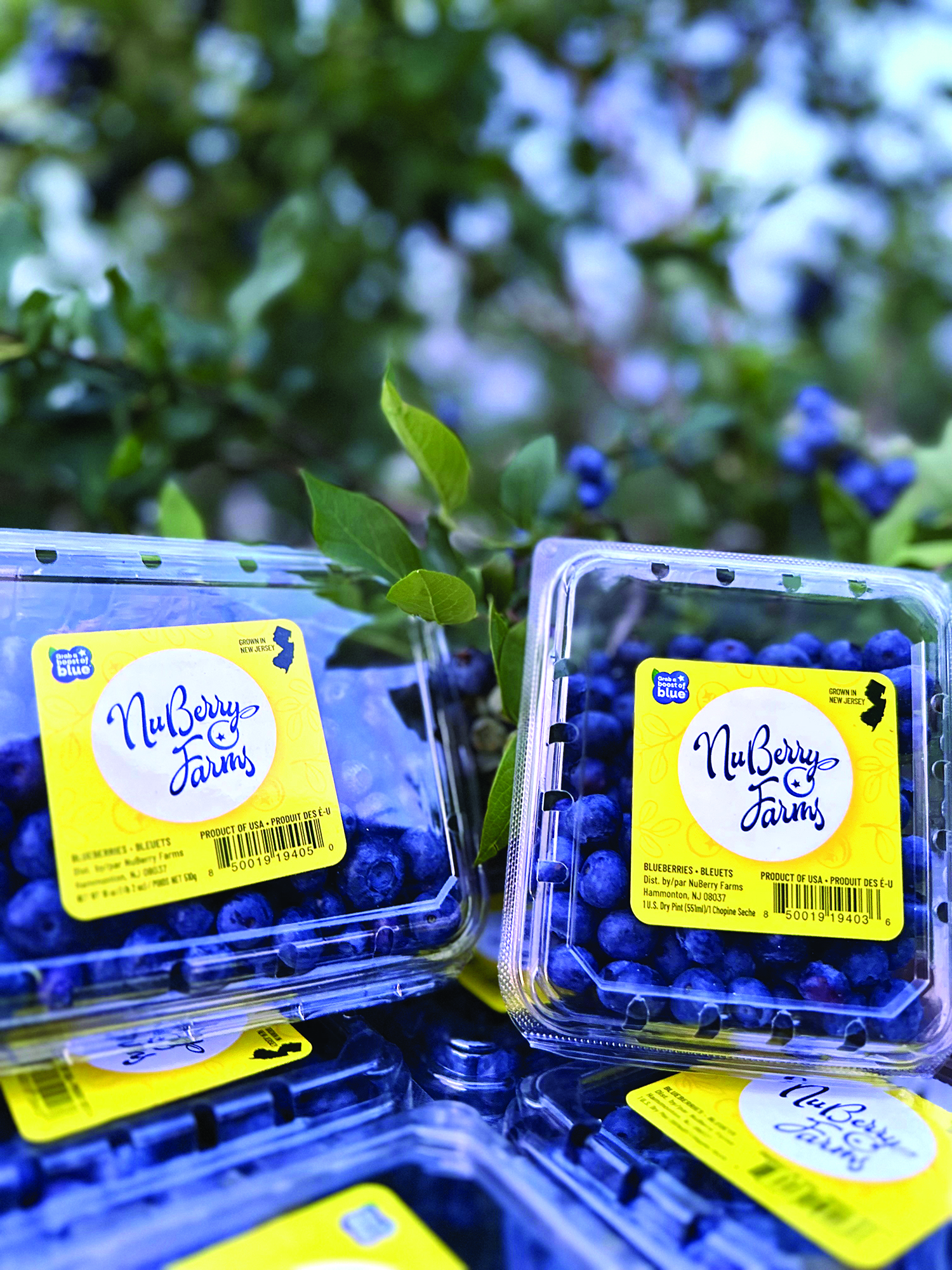
Cook said this technology can come from many directions. For example, in May 2012, McDonald's introduced hot oatmeal with fresh blueberries, which are shipped to stores in individual-serving modified atmosphere packaging.
Cook noted the new Cotton Candy grapes, which taste like cotton candy, are among many produce varieties which have been bred for taste. She noted that for years shelf life was the key focus of commercial produce breeding.
With the recession in 2009, the quantity of food sold in food stores dropped, with consumers, concerned about waste, adopting the attitude of buying only what they need. Now, higher-income families are buying a disproportionate share of fresh produce and are good consumers of new, tasty varieties, Cook said.
"In 2012, 18 percent of households earned more than $100,000 per year yet accounted for 27 percent of food spending, and 30 percent of spending on fresh produce."
Elliott Grant, founder and chief technology officer for HarvestMark, based in Redwood City, CA, outlined a variety of electronic technology that will provide the industry with greater sales and demographic information. Grant demonstrated "Google Glass" technology, which resembles wearing glasses, but there is a very small box on the side of the frame. At the front end of this is a camera and a screen that can easily be seen by looking slightly up.
Grant indicated that "Google Glass" will replace smart phones within three or four years. The voice-activated apparatus has all the technology of a smart phone, but is operated hands-free.
Among the abilities of the technology is scanning bar codes of products and retail level and reading about the product on the screen.