Chilean Fresh Fruit Association keeping North American importers abreast of movements and volumes
Chilean Fresh Fruit Association keeping North American importers abreast of movements and volumes
In mid-January, Karen Brux, the North America managing director for the Chilean Fresh Fruit Association and the marketing director for the Chilean Avocado Importers Association, headquartered in San Carlos, CA, provided The Produce News with import data on Chilean produce exports for the current season, adding comments on products that have notable volume changes.
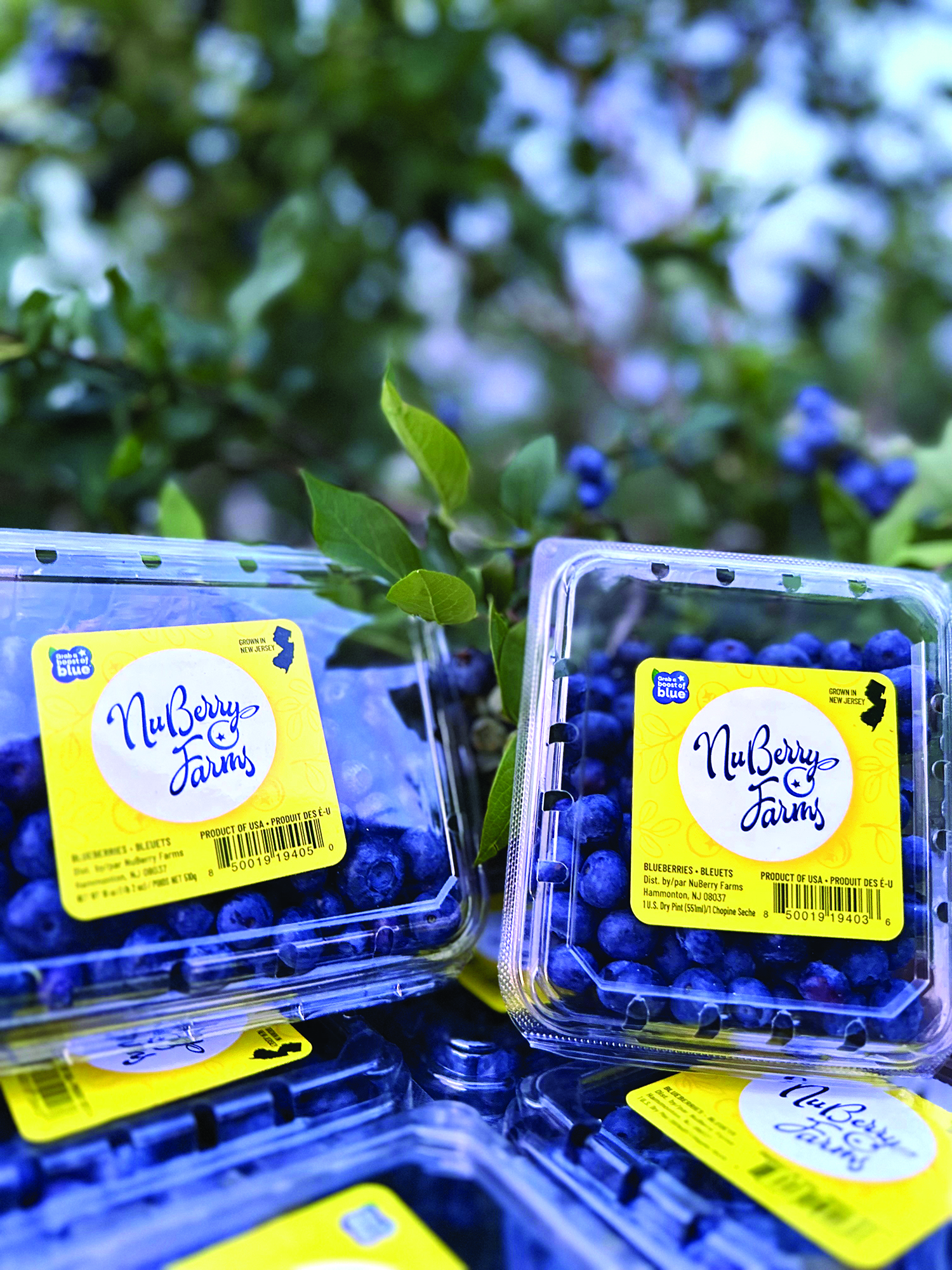
Beginning with blueberries, Brux said that 22,516 tons had been exported from Chile this year, compared to 34,000 during the same time period last year. In Cherries, Chile exported 8,356 tons so far this season compared to 7,998 last year.
“Our original forecast for blueberries was that exports would be up by seven percent,” she said. “But blueberry shipments are still behind last year. This is due primarily to fumigation requirements put in place after multiple detections of the European Grapevine Moth.”
She noted that in late December, it was announced that fumigation would be required in Chile prior to shipping, but in early January that was amended. Fumigation is now taking place upon arrival into the United States, and the volume of blueberries departing Chile for the United States is starting to increase.
In Cherries, Chile exported 8,356 tons so far this season compared to 7,998 last year. Plum exports are exactly in line with last year’s figures.
Other stone fruits have not fared as well, however. Chile had exported 2,252 tons of peaches so far this season compared to 6,425 tons last year. Nectarines are down from 5,411 tons a year ago compared to 2,828 tons this year. Apricots have also felt a drop this year to 232 tons compared to 822 during the same period last year.
“An unusual succession of frosts hit Chile in September 2013, with stone fruit and kiwifruit suffering the most,” said Brux. “As of mid-January, estimates projected industry-wide losses of 64 percent for Chilean peaches, 59 percent for nectarines and 63 percent for plums. The Chilean Kiwifruit Committee has reported losses of 60 percent.”
She added that the latest obstacle is the port strike at San Antonio. According to a Jan. 27 article by Michele Labrut in Seatrade Global, over a dozen ports, including San Antonio — Chile’s largest port in the central region of the country — and Iquique, Tocopilla, Huasco, Caldera and Chañaral in the north have all shut down in a protest that has hurt fruit, copper and other exports estimated so far to be $400 million in value.
The first strike broke out in December in the northern port Angamos after operator Ultraport declined to include non-union workers in salary talks. The terminal was completely paralyzed for 16 days.
In late January, workers at five northern ports halted their activities to support Angamos workers. Now southern port workers have walked out in support of a strike at northern terminals for benefits and union rights.
It’s a hard hit for perishable goods from Chile because of the short shelf life.
Despite its current challenges, few would argue but that Chile continues to stand at the top of the professional ladder when it comes to producing high-quality fruits and vegetables and knowing how to properly export them. The country’s counter-seasonal harvest of produce complements U.S. production and provides North Americans with year-round access to a wide variety of fresh fruit.
Chile is also a world leader in safe agricultural and environmental practices. From growing, harvesting and packing practices, to worker safety and environmental stewardship, safety is paramount to Chilean producers, to the point that fruit exports meet or exceed the strictest North American, European and Asian standards.
The Chilean fresh fruit industry has developed a program called Good Practices for sustainability and a set of vigorous guidelines for protecting air, water and soil resources. State-of-the-art drip irrigation systems and access to real-time climate data minimize water consumption.
Use of pesticides is strictly regulated according to international guidelines, and Chile ranks among the top ten countries in the world with the most Good Agricultural Practices certificates according to both United Nations and U.S. standards.
GAP standards were established to ensure that food meets global standards for safety, nutrition and sustainability.