HAB approves structural change to provide offshore representation
HAB approves structural change to provide offshore representation
At its most recent board meeting in January, the Hass Avocado Board approved a recommendation that represents a significant organizational change giving a greater voice in official matters to offshore producers.
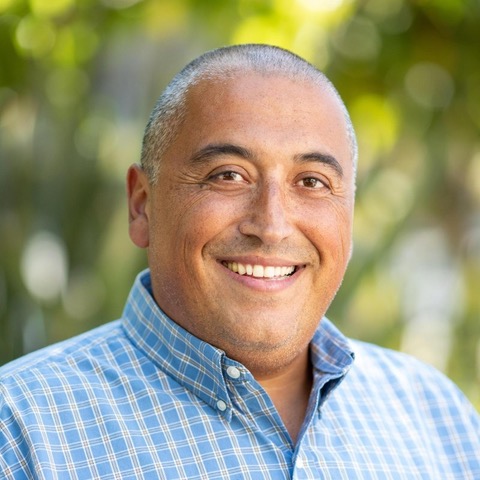
HAB Executive Director Emiliano Escobedo said a new committee has been formed that includes all of the board members as well as one representative from each organization receiving assessment dollars. The committee will meet at the same time and place as the regularly scheduled HAB meeting, just prior to that meeting. This committee will discuss and vote on all business, and anything approved will then be brought to the board for a final vote.
As a practical matter, this means producer representatives from Chile, Mexico, Peru, California and any other avocado-producing region with an assessment entity will have a voice and vote at the table.
Escobedo likened the role of the Hass Avocado Board to that of the president of the United States. In the United States, he said, Congress passes legislation and then sends it on to the president for his approval or veto. HAB will have that same responsibility over the actions of the new committee.
When HAB was established under federal law more than a decade ago, California avocado producers supplied the majority of fruit consumed in the United States. Consequently, California producers received a majority of the voting seats on the board.
Over the years, Mexico has taken over that top spot and Peru and Chile have also become significant producers. In addition, other countries have bourgeoning avocado industries and are also eyeing the U.S. marketplace. In fact, avocado sales have tripled in the United States in that time frame and now top 1.7 billion pounds on an annual basis.
For many years, HAB has been discussing ways of increasing the influence and voting power of offshore producers. For the past year these representatives from the various assessment organizations have been attending HAB meetings as non-voting representatives.
"The issue of offshore representation emerged in the mid-2000s and had been discussed on and off since then," said HAB Chairman James Johnson, who is a California avocado grower. "The biggest challenge that the board's International Representation Committee faced was working within the confines of the federal Hass Avocado Promotion, Research & Information Act and subsequent Hass Avocado Promotion, Research & Information Order."
Escobedo said this solution was developed by the industry members and has received the unanimous approval of the International Representation Committee, as well as the full board. The action "sends a clear message confirming the HAB's commitment to advancing our strategic priorities for achieving our vision," he said.
The International Representation Committee considered and debated many different ways to address the issue of representation, but in the end the addition of the new enlarged committee appeared to be the easiest to enact.
Escobedo said the solution remains faithful to the original act and promotion order and does not require a legislative fix. He said a simple amendment to the HAB bylaws allows the new committee to be comprised of the existing seven producer members and five importer members of the HAB. They will be joined by one member from each importer organization that received assessment funds under the Order and one member from the California Avocado Commission.
According to Bob Schaar, another California grower who is chairman of the International Representation Committee, "This proposal will strengthen the relationships and collaboration between the HAB and the member organizations."
He added that the structure allows for new players to come to the table as well without revisiting the issue.
"If the industry in other countries grows to a size large enough to form an importer association that receives assessment dollars, they would have a seat and vote at the table," he said.
Escobedo said this recommendation has been sent to the U.S. Department of Agriculture, which oversees the administration of the Hass Avocado Board and must give its official stamp of approval on all policies of the group.
"We are in the process of getting the official approval," he said in late January.