Homegrown Organic Farms continues to grow and expand
Homegrown Organic Farms continues to grow and expand
It has been about 15 years since Homegrown Organic Farms in Porterville, CA, opened its doors and it has been steady growth ever since.
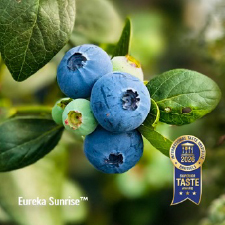
The company began with citrus and tree fruit and those commodities continue to be the main focus of the operation, but it has also expanded into blueberries and enlarged its citrus line. Chief Executive Officer Scott Mabs said, “Right now, the growth we have experienced is in easy-peel mandarins and blueberries.”
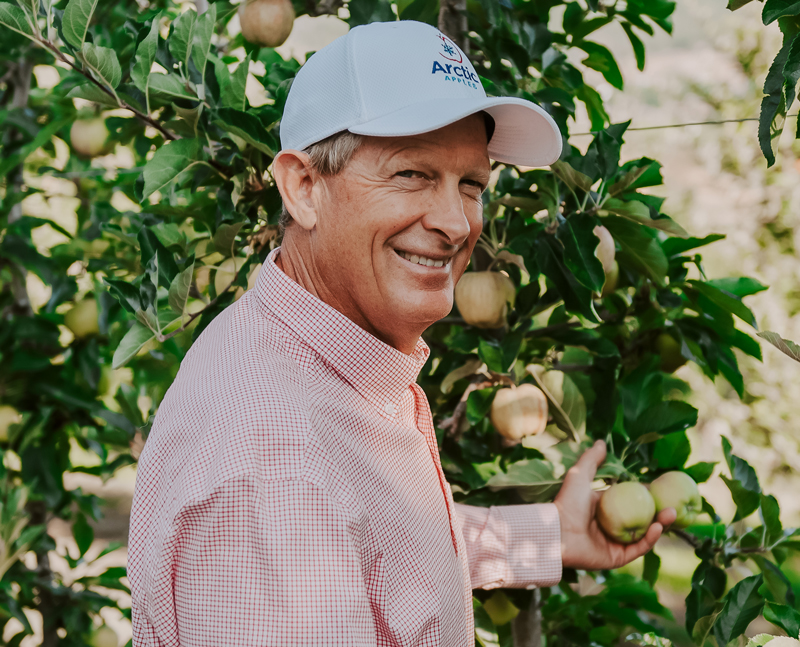
 Scott MabsMuch of the mandarin acreage is relatively new so Mabs said the grower-shipper-marketer will continue to see production increases over the next several years. “With tree fruit, you just can’t plant some acreage and immediately see an increase in production,” he said. “You can only grow so quickly. Our growth rate has been methodical.”
The company, which only sells organic crops, got into the blueberry business about seven or eight years ago in the San Joaquin Valley and has since expanded into Oregon. At this point, in late August, the blueberry production was just about completed for the season. “We start in California in the spring and have production here in May and June and then we move to Oregon in June and go until about the end of August.”
In fact, Mabs said the September period is usually their downtime as their tree fruit is pretty much finished and the navel orange crop hasn’t started yet. “We still have some grapefruit, a few limes from Mexico and some Valencia oranges but not much.”
The mandarin crop, which features the Gold Nugget variety, comes on in April.
All in all, Mabs said it has been a good year. He said the just-concluded tree fruit crop did well this year. “As we continue to walk down the path of organics, everyone is doing a better job. The suppliers are doing better job and so are the marketers and retailers.”
For the most part, he said organic pricing marches to its own drummer. Mabs said sometimes there is a correlation between the price for conventional product and organic product but usually organic tree fruit, citrus and blueberries — the crops he is familiar with — produce their own supply and demand situation.
As far as continued growth, he said Homegrown Organic Farms continues to look for new opportunities but it likes to stay with the staple items. “When you get into a niche category, the retailers have to choose (whether they are going to carry organic or conventional). They usually don’t carry both.”
He said an item such as persimmons is in this category. Retailers don’t have the shelf space to devote two displays to this item.
About 60 percent of what Homegrown Organic Farms markets is produced by the company with the rest coming from outside growers.