CMI Orchards is optimistic about this season’s crop size, despite some challenging spring weather. Cold temperatures during bloom impacted some growing regions, reducing Northwest crop projections to the range of 18.4 to 19.2 million boxes, approximately 20 percent lighter than last season. However, Kaci Komstadius, marketing manager at CMI pointed out that from a timing standpoint, the season is shaping up well.
“California cherries are expected to finish around Memorial Day, with Northwest harvest anticipated to begin shortly after, creating a smooth transition for retailers. At this point, the Northwest crop is tracking about five to seven days earlier than last year, which should help maintain strong momentum in the category,” said Komstadius.
The earlier timing works in the industry's favor this season. Komstadius explained that in past seasons, prolonged overlap between California and Northwest fruit has occasionally slowed the transition as retailers worked through existing California commitments. This year's tighter handoff should allow for a cleaner shift into Northwest programs, supporting fresher inventories and more efficient movement at retail. Komstadius added that overall, the crop is shaping up to provide "strong, promotable volume and excellent quality and sizing for retailers throughout the Northwest season." 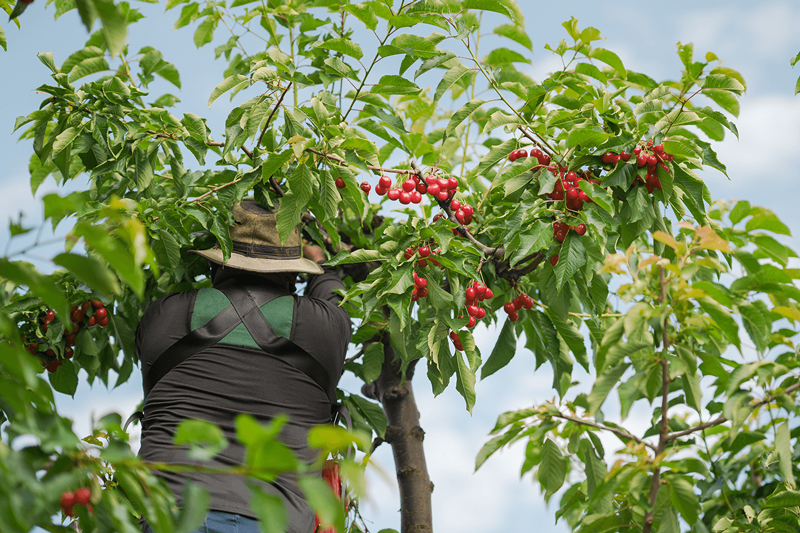
Quality is the centerpiece of CMI's marketing approach this season. Komstadius said the company's Nature's Candy program has been modernized with a complete rebranding launching this spring and CMI is also introducing its American Dream program’s 250th Anniversary packaging, designed to connect with the patriotic themes that drive summer produce sales. The prime merchandising window is expected to run from mid June through mid July, when volume, sizing and flavor are all at their best.
Komstadius said CMI is encouraging retailers to begin digital and social marketing efforts as soon as the earliest Northwest fruit hits stores, with messaging focused on seasonal availability and "get them before they're gone" excitement, which she noted continues to perform especially well during cherry season.
Strong cherry movement at retail comes down to timing and visibility. Komstadius said the best opportunity for retailers to drive impulse purchases and increase basket size comes during peak season, when promotable volumes, premium sizing and exceptional eating quality all come together. High impact strategies like secondary displays, front of store placements and strong digital promotion tend to generate the strongest results during that window. Retailers who refrigerate products see reduced shrink and better eating quality, said Komstadius, which translates directly into repeat purchases."Immediately following harvest, our growers rush to rapidly cool fruit and transport fresh cherries as quickly as possible at temps barely above freezing," she explained. All that effort ensures fruit arrives in peak condition and freshness.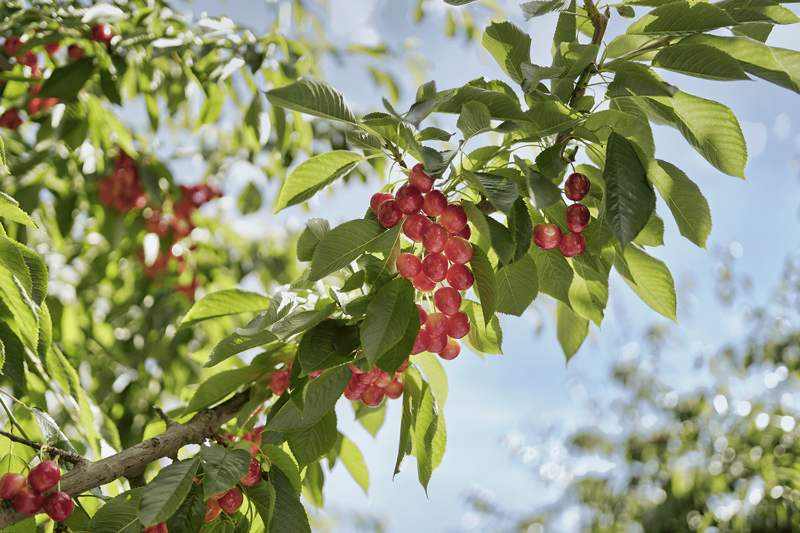
Komstadius said CMI is paying close attention to the shifts in consumer behavior. She pointed out that they are, “seeing consumers become more intentional with their grocery purchases, which is shifting how retailers position cherries at the shelf.” Cherries continue to perform well because of their unbeatable flavor, various health benefits and seasonal rarity, all wrapped in a convenient package. Komstadius addressed packaging that meets consumer preferences, noting “smaller pack sizes, particularly one-pound options, can provide a more approachable entry point during higher market periods or early-season pricing, while larger bags continue to perform well with families and heavier cherry consumers. Offering multiple pack sizes allows retailers to appeal to both value-conscious shoppers and those willing to spend more on premium fruit and convenience.”
The cherry category is getting more crowded and Komstadius said branding is one of the most effective ways CMI sets its varieties apart at retail. A strong example is Skylar Rae, a cherry that resembles a Rainier but delivers higher Brix and exceptional sweetness. The variety can develop a bronzed coloring that shoppers might mistake for bruising, and CMI highlights the natural "Caramel Glow" directly on the packaging to set expectations and reinforce the premium eating experience. Export business rounds out CMI's program, with Komstadius noting that the industry moves between 30 and 35 percent of Northwest cherries into export markets each year, a figure she described as "crucial during cherry season."


 Ball Horticultural Co. has been selected as a 2026 U.S. Best Managed Company. Sponsored by Deloitte Private and The Wall Street Journal, the program recognizes outstanding U.S. private companies.