In the Trenches: Fresh-cut salad mixes are the best thing since sliced bread
In the Trenches: Fresh-cut salad mixes are the best thing since sliced bread
Bread goes back as far as 30,000 years ago, but it was not until 1928 that bread was sliced on the first commercial machine in Missouri by Otto Rohwedder. Bakers at that time were skeptical about slicing bread, claiming it was just a fad.
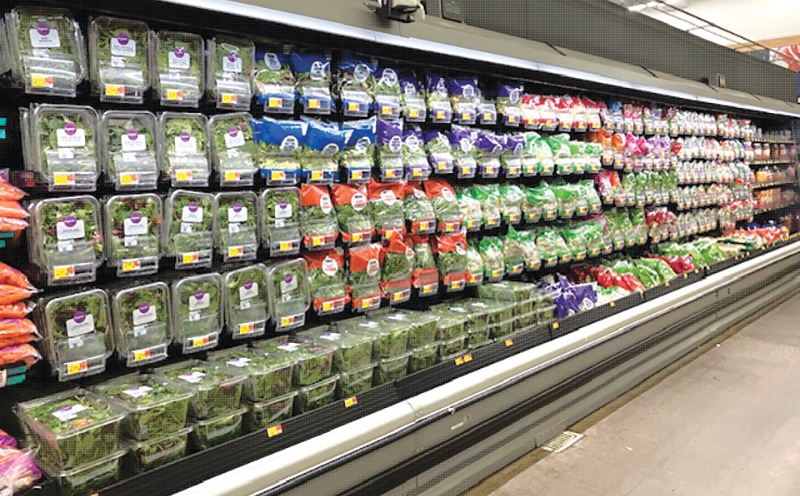
In the sixth century B.C., a popular plant called lettuce was served in a leafy form on the tables of Peruvian kings. Today, this same lettuce has been nurtured into sophisticated packages of fresh-cut salad blends and displayed in produce departments for consumers.
Lettuce fell under the sliced bread challenge when packaged salad mixes hit the supermarket scene. Retailers began cutting and processing fresh lettuce in the backroom areas and made packaged salads for customers to grab and go. Then a few companies started source packing in plants and selling salad mixes ready for retailers to stock. That reduced the backroom time-consuming labor and placed those workers on the sales floor maintaining the department needs.
During the 1980s, retailers began increasing the size of stores — especially produce departments. The added space begged for more product variety. During this period of expanded displays, Romaine, green and red leaf, along with other lettuce varieties rapidly grew in popularity with consumers. Intense advertising promotions also increased the sales percentage of the leafy lettuce.
By the early 1990s, the big, packaged salad mix boom began its entry into the arena. Retailers began concentrating on special display sections of new and exciting blends of value-added, fresh-cut salads that were very friendly and convenient for consumers.
This again took a chunk out of the lettuce display space in the produce department. Thus, lettuce sales began to drop while packaged salad mix varieties climbed.
Growers and shippers of lettuce were suddenly joining the trend by introducing their own brands of packaged salad mixes. As a result, lettuce got less and less promotional attention, while fresh-cut salads were placed in the spotlight.
This was also the transformation of the fresh-cut fruit and vegetable industry. It kick-started the unique experimental stages in reinventing the produce business.
As the years of produce innovation progressed, many packaging, marketing, operational and merchandising techniques began to play a specific role around diversified ways of moving forward in the industry. Added items were being introduced into marketing as the world of produce was changing at a very rapid pace. Those added items were in the form of packaged salad mixes.
After years of enthusiastic salad mix promotions, gross profit budgets in the produce department were extremely increased.
Being held accountable for achieving much higher gross profit rates, produce directors began concentrating on controlling shrink instead of going all out for sales. This pressure changed some of the display aggressiveness and the stocking levels in the stores began to dwindle. Some produce departments were even instructed to display no more than “one layer” of product.
With the intense shrink programs hitting the stores, merchandising became threatened. Every item was scrutinized and the urgency to lower shrink increased. Packaged salads have sell-by dates and produce managers began to cut back on the slower movers and stocking levels to avoid losses as part of cutting shrink waste.
Times changed and so has packaging.
The new breathable packaging material used today is better and safer, extending the shelf life of the product. Many items have been introduced into the value-added sections, especially the varietal novel salad bowls, which contain packets of chicken, meat, croutons and dressings.
In today’s modern era, packaging has found its venue at the produce retail level. Many of the top selling salad mix items can presently be found on display in attractive packages.
The well-established produce experts have experienced a considerable number of pivotal changes in progress over the years. These evolutionary modifications are what keep the produce industry ahead of the game.
Other industry individuals have also seen leading edge changes that have lifted the produce industry up to positive levels. While these new introductions are designed to raise industry standards and serve consumers better, they are also beneficial in maximizing sales and profits — which of course is the main goal of every company.
Ron Pelger is a produce industry adviser and industry writer. He can be contacted at 775-843-2394 or by e-mail at [email protected].