California minimum wage and the family farm
California minimum wage and the family farm
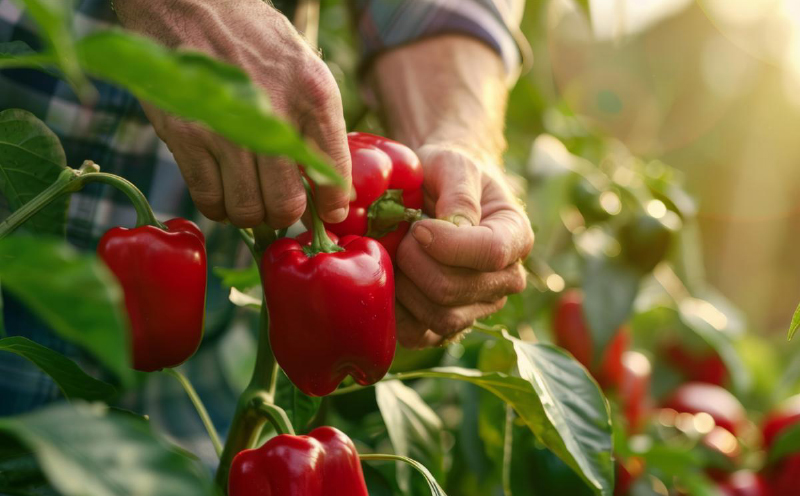
Since 2019, when the minimum wage in California was $11 per hour, wage rates have increased by 45 percent over five years, reaching the current $16 per hour. Some legislators are now proposing bills to raise the minimum wage to $18-$20.
While some farmers have adopted automation, many crops still require handpicking to avoid damage and to maximize yield. Automation is expensive, and small farms often struggle to afford it, leading to a trend of fewer, larger farms and reduced competition.
Additionally, the sunsetting of California's agriculture exemption for overtime, which had been in place for over 50 years, now mandates that farms pay overtime after eight hours, rather than the previous 10-hour threshold. This change means that farm workers often see their weekly earnings decline significantly as farms hire more workers to avoid paying overtime. The broader implications for farm workers are a topic for another discussion.
For certain produce crops like bell peppers, labor costs can account for up to 40 percent of the total expenses for growing, harvesting, and freezing. An increase of 45 percent in these labor costs over less than five years can quickly render the product uncompetitive.
Historically, California's agriculture benefited from its advantageous growing conditions, including micro-climates and minimal rainfall during peak growing months. Controlled water use allowed growers to minimize disease and maximize yields. However, over the past thirty years, other states have managed to compete with California due to rapidly rising operational costs, including doubled electricity rates and higher workers' compensation liabilities.
Despite these challenges, California agriculture continues to excel in consistency of supply and field quality. Full crop failures are rare, and even if one valley faces issues, another often does not. California's crops generally have higher average yields per acre compared to those grown in other regions, and the state's favorable climate—characterized by long, sunny days and minimal rain during peak growing season—contributes to its dominance in red bell pepper production.
This efficiency in crop production helps reduce growing costs, supports sustainable farming practices, and benefits the environment. When crop issues arise in other parts of the country, California's consistent production offers crucial alternatives.
Eckert has maintained its relevance in the industry for over 75 years through strategic measures. The company diversified its grower base to mitigate risks from heat waves and droughts, invested in plant automation, and developed proprietary pepper varieties resistant to heat, low moisture, and disease.
To further minimize crop risk for its customers, Eckert operates two processing facilities in California and owns a processing plant and field in Mexico. This setup eliminates dependence on third parties and provides greater inventory flexibility through two production seasons each year.
Despite the operational challenges, Eckert remains optimistic about the future of California farming for IQF peppers. The company has recently invested in advanced sorting technology, more efficient freezing processes and a solar farm, demonstrating its commitment to the region.
Eckert is dedicated to continuing its operations in California for the foreseeable future and attributes its success to the support of its customers. The company is grateful for this support and looks forward to future successes and improvements for all involved.