In the Trenches: Why don’t customers make produce purchases?
In the Trenches: Why don’t customers make produce purchases?
Now and then, I notice some shoppers enter produce departments, look around, pick up an item, place it back on the display, and leave without buying anything. Why is that? I don’t think those customers came into the store just to browse. The supermarket isn’t a gift shop. People browse in gift shops but buy food in supermarkets.
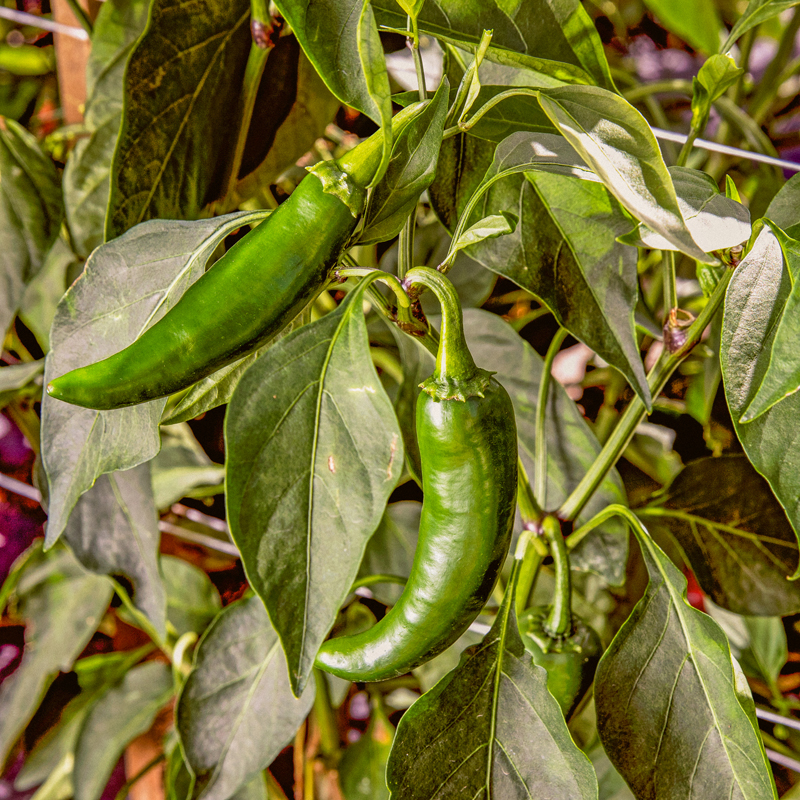
One day, I saw a customer at the pepper display examining the products. She picked up a yellow pepper, and then put it back. She picked up an orange pepper, and then placed it back on display. Finally, she walked away.  Poorly maintained displays are just one reason sales in the produce department fall short.Seconds later, she was back again picking through the colored peppers, but she left the department without buying any. Being inquisitive, I followed her, determined to find out why she did not purchase the peppers.
After catching up to her, I asked why she didn’t buy the peppers. She told me the peppers felt too soft and wrinkly to be paying over a dollar apiece for them. I returned to the display and sure enough, the peppers were soft and wrinkly. This product was not a value for the asking price. Therefore, no sales were generated from that customer.
When leaving the store, I picked up an ad flyer in the rack near the entrance door. One of the items in the produce section was colored peppers. The description below the picture of colored peppers stated, “Fresh, Crisp Red, Yellow, or Orange Bell Peppers, $1.29 each.” The only problem was that the peppers on the display were not fresh.
Too often, we feel an exquisite looking ad flyer with fancy word descriptions and colorful pictures is all that’s needed to lure consumers into a store to fill grocery carts to the brim with product. However, that’s not as simple as it may sound anymore. Shoppers today expect nothing but the best value for their dollars, especially after working harder than ever to earn a paycheck.
Supermarkets are spending a phenomenal amount of money to market their food products, hoping they will fly off the displays. But if the customers are not buying the product, something must be wrong. We need to recognize those reasons.
Here are several reasons customers don’t buy your produce:
It’s not fresh
When advertising statements say “Fresh Sweet Corn,” “Fresh Peppers,” “Fresh Leaf Lettuce,” or “Fresh Peaches,” they must be fresh. Customers do not want wilted lettuce, shriveled apples, yellowed celery or slimy melons. They want exactly what an ad promises: Fresh. If it’s not fresh, they don’t make a purchase.
The item doesn’t show a value
If you feature red seedless grapes in an ad flyer at $1.29 per pound and the Thompson seedless grapes remain at regular price of $2.49 per pound, the shoppers may not see a value in buying the Thompson seedless grapes. Therefore, they do not make a purchase of one of the two grapes.
No price signage
One of the worst ways to prevent the sales of product is not to post a retail sign. More than 70 percent of sales are lost because of customers not knowing the retail of the items.
The product is unavailable
Shoppers were asked in a survey, “Why did you not buy produce items you intended to buy?” Forty percent said it wasn’t available on the display. If an item is out-of-stock, customers cannot make purchases.
Poor service
Many customers want to ask employees for help in purchasing certain items, but if nobody is available on the sales floor, they walk away. If customers are not waited on, they do not make purchases.
Weak merchandising
Product that is displayed in a conservative or slipshod manner will not attract shoppers to the product. Customers will not make purchases from mediocre displays.
Inadequate labor scheduling
Not having an employee scheduled in the evening hours often results in the department becoming disheveled and full of out-of-stocks. Customers will not make purchases from a messy, run-down department.
High prices
The easiest way to bring sales to a screeching halt is to have the highest retails in town. Customers will not make purchases due to sky-high prices.
As retail experts, we mostly admire the sales we generate. However, we need to consider all the areas that force customers into “not making purchases” of our produce. We need to find out the reasons why? Every purchase that is passed up by a customer is a lost sale. All non-purchased produce is added to the shrink.
Ron Pelger is the president and CEO of RonProCon, a consulting firm for the produce industry, and the chairperson of FreshXperts LLC, a consortium of produce professionals. He can be reached by phone at 775/853-7056 or by email at [email protected], or check his details on freshxperts.com for more information.