Rain pushes Georgia crops back about 10 days
Rain pushes Georgia crops back about 10 days
Georgia farmers got a hefty dose of rain during the first part of March. Terry Kelley, a representative from the University of Georgia Extension Services, said that the wet weather has affected summer crops throughout the state.
"Watermelons, cantaloupes, tomatoes, peppers, squashes, cucumbers, snap beans and sweet corn are especially affected," said Dr. Kelley. "But the primary problem is that the wet weather has caused late crops. As of the end of April, growers were running a week to 10 days behind in most crops. However, they are not experiencing crop loss, so that is good news.
The wet spring falls on the heels of last year's relatively good season. But that fell on the heels of several consecutive years of drought for Georgia growers. The rain last year and this year has been from ample to much more than ample, so growers do not have to worry about running dry. Dr. Kelley said that it would have been welcomed had it come at a time of the year other than spring. But when it comes in the spring, and in heavy amounts, it knocks growers off schedule.
"Growers have hardly had a chance to recuperate from the several years of drought before they were faced with the opposite problem, he said. "When the rains come during critical times, such as when workers should be in their fields, it's a real problem. Still, Georgia produce growers are reluctant to bad-mouth the rain because they went for so many years without it.
By the end of April, farmers were harvesting early-spring crops like cabbage, leafy greens, some carrots and onions. Vidalia onion harvesting also began toward the end of the month. Dr. Kelley said that onions should not be heavily affected because the rain came after the crop was well established.
Watermelon acreage in Georgia has dropped somewhat over the past several years, but some of the decline is due to more efficient growing methods. While acreage is down, production has increased. This year's crop is expected to be grown on 27,000 acres, which is about the same as last year.
"We expect an approximate 8,000-acre growing range for squash, said Dr. Kelley. "Peppers are down a bit from last year, which was about 5,000 acres. Cantaloupes this year are about 7,000 acres. Harvesting begins in late May and runs through June. Watermelons should also hold steady compared to a year ago. Both cantaloupe and watermelon will harvest well into July.
Dr. Kelley said that corn could be down to between 21,000 and 22,000 acres compared to approximately 24,000 acres a year ago. He attributed the drop to the market decline.
Snap beans will run from 16,000 acres to a bit more than 17,000 acres, which is also about the same as a year ago. The state has a couple of new growers, which seem to be driving the acreage up a bit beyond the 17,000-acre figure this year.
"Cabbage is always fairly stable, he said. "But even it dropped down a little in the past couple of years. We expect it to come in at around 8,000 to 9,000 acres this season. Carrots are down overall. We should see between 2,000 and 2,500 acres this year. All varieties of tomatoes will also be about the same as last year.
In the greens category, Dr. Kelley said that collards and turnips ran around 9,000 acres last year, and are expected to be about the same this season. Turnip greens will be between 4,500 and 5,000 acres, also about the same as last year. Kale is also expected to remain unchanged from last year at about 2,000 acres. Our growers are looking for at least average prices this year, said Dr. Kelley. "Georgia growers suffered a near bloodbath last year when it came to prices. Then they got another hard kick from hurricane damage. Five separate storms ran through the state. Growers would be happy to see fair prices, and will be thrilled if they are even a little better than average.
Fortunately, Georgia growers have not had any serious disease problems on any of the crops, but Dr. Kelley said that it is still early and something could rear its ugly head before the end of the season. Growers always keep their eyes peeled for Gummy Stem Blight on cantaloupe and watermelon crops. The fungal disease can seriously affect a crop if it gets wet near harvest time. Because of the heavy rains last year, growers had a big problem with it.
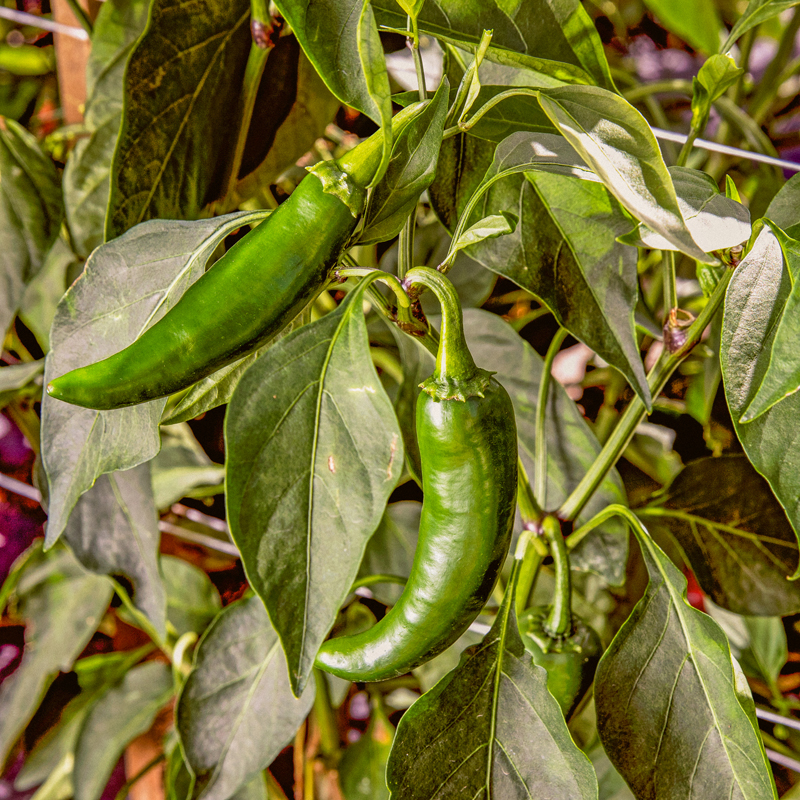
Phytophthora, another fungal disease, primarily affects squash and peppers. It also manifests with wet weather and was a problem for growers in the state last year.
Tomato spotted wilt virus can be a problem on tomatoes and peppers. Growers did not see much of it last year, but it is a very unpredictable disease and so it is monitored carefully.
"We have not seen anything so far this year that looks bad, said Dr. Kelley. "If the wet weather continues, we will be on the lookout for problems because they often manifest or worsen when there is a lot of moisture. But we're not speculating at this point because the early spring rain is not an indication that we'll have a wet season. Growers in Georgia can deal with trying to get into their fields when it's soggy and with being a bit behind, but if they keep getting pounded with rain, they'll be fighting an uphill battle.
Georgia farmers were happy when they received EPA approval for a critical use exemption to produce and use methyl bromide on their crops, but the exemption was good only until 2005. Dr. Kelley said that the chemical is a vital tool for tomato, pepper, eggplant, squash, cucumber and cantaloupe plants in resisting nematodes, soil-borne diseases and damaging weeds, primarily nutsedge. Methyl bromide is an ozone-depleting chemical fumigant, and so it is carefully controlled and restricted by the EPA. However, for growers' use, only a minimal amount is used.
"We have learned that the exemption will be extended to growers until 2006, so that is a little good news, but we don't know what will happen beyond then, said Dr. Kelley. "It's a waiting game at this point. In the meantime, research continues in an attempt to find a substitute that is as effective but non-damaging to plants, people, animals or the environment. There are reports of some promising research results, but nothing has been verified yet.
Dr. Kelley said that the good news is that the weather did dry up and get warmer in late April. He added that when improved conditions continue for a few weeks, growers see a more positive seasonal pattern and will breathe easier knowing that crops will take off and flourish.
"It's too late to catch up with the time we've already lost, said Dr. Kelley. "Now we just have to hope we don't lose any more. If we get pushed back too far, Georgia's crops will begin to overlap with crops from other eastern regions. When that happens, prices drop because of the resulting glut of product on the market.
(A full report on the Georgia produce deal appears in the May 16 issue of The Produce News.)
"Watermelons, cantaloupes, tomatoes, peppers, squashes, cucumbers, snap beans and sweet corn are especially affected," said Dr. Kelley. "But the primary problem is that the wet weather has caused late crops. As of the end of April, growers were running a week to 10 days behind in most crops. However, they are not experiencing crop loss, so that is good news.
The wet spring falls on the heels of last year's relatively good season. But that fell on the heels of several consecutive years of drought for Georgia growers. The rain last year and this year has been from ample to much more than ample, so growers do not have to worry about running dry. Dr. Kelley said that it would have been welcomed had it come at a time of the year other than spring. But when it comes in the spring, and in heavy amounts, it knocks growers off schedule.
"Growers have hardly had a chance to recuperate from the several years of drought before they were faced with the opposite problem, he said. "When the rains come during critical times, such as when workers should be in their fields, it's a real problem. Still, Georgia produce growers are reluctant to bad-mouth the rain because they went for so many years without it.
By the end of April, farmers were harvesting early-spring crops like cabbage, leafy greens, some carrots and onions. Vidalia onion harvesting also began toward the end of the month. Dr. Kelley said that onions should not be heavily affected because the rain came after the crop was well established.
Watermelon acreage in Georgia has dropped somewhat over the past several years, but some of the decline is due to more efficient growing methods. While acreage is down, production has increased. This year's crop is expected to be grown on 27,000 acres, which is about the same as last year.
"We expect an approximate 8,000-acre growing range for squash, said Dr. Kelley. "Peppers are down a bit from last year, which was about 5,000 acres. Cantaloupes this year are about 7,000 acres. Harvesting begins in late May and runs through June. Watermelons should also hold steady compared to a year ago. Both cantaloupe and watermelon will harvest well into July.
Dr. Kelley said that corn could be down to between 21,000 and 22,000 acres compared to approximately 24,000 acres a year ago. He attributed the drop to the market decline.
Snap beans will run from 16,000 acres to a bit more than 17,000 acres, which is also about the same as a year ago. The state has a couple of new growers, which seem to be driving the acreage up a bit beyond the 17,000-acre figure this year.
"Cabbage is always fairly stable, he said. "But even it dropped down a little in the past couple of years. We expect it to come in at around 8,000 to 9,000 acres this season. Carrots are down overall. We should see between 2,000 and 2,500 acres this year. All varieties of tomatoes will also be about the same as last year.
In the greens category, Dr. Kelley said that collards and turnips ran around 9,000 acres last year, and are expected to be about the same this season. Turnip greens will be between 4,500 and 5,000 acres, also about the same as last year. Kale is also expected to remain unchanged from last year at about 2,000 acres. Our growers are looking for at least average prices this year, said Dr. Kelley. "Georgia growers suffered a near bloodbath last year when it came to prices. Then they got another hard kick from hurricane damage. Five separate storms ran through the state. Growers would be happy to see fair prices, and will be thrilled if they are even a little better than average.
Fortunately, Georgia growers have not had any serious disease problems on any of the crops, but Dr. Kelley said that it is still early and something could rear its ugly head before the end of the season. Growers always keep their eyes peeled for Gummy Stem Blight on cantaloupe and watermelon crops. The fungal disease can seriously affect a crop if it gets wet near harvest time. Because of the heavy rains last year, growers had a big problem with it.
Phytophthora, another fungal disease, primarily affects squash and peppers. It also manifests with wet weather and was a problem for growers in the state last year.
Tomato spotted wilt virus can be a problem on tomatoes and peppers. Growers did not see much of it last year, but it is a very unpredictable disease and so it is monitored carefully.
"We have not seen anything so far this year that looks bad, said Dr. Kelley. "If the wet weather continues, we will be on the lookout for problems because they often manifest or worsen when there is a lot of moisture. But we're not speculating at this point because the early spring rain is not an indication that we'll have a wet season. Growers in Georgia can deal with trying to get into their fields when it's soggy and with being a bit behind, but if they keep getting pounded with rain, they'll be fighting an uphill battle.
Georgia farmers were happy when they received EPA approval for a critical use exemption to produce and use methyl bromide on their crops, but the exemption was good only until 2005. Dr. Kelley said that the chemical is a vital tool for tomato, pepper, eggplant, squash, cucumber and cantaloupe plants in resisting nematodes, soil-borne diseases and damaging weeds, primarily nutsedge. Methyl bromide is an ozone-depleting chemical fumigant, and so it is carefully controlled and restricted by the EPA. However, for growers' use, only a minimal amount is used.
"We have learned that the exemption will be extended to growers until 2006, so that is a little good news, but we don't know what will happen beyond then, said Dr. Kelley. "It's a waiting game at this point. In the meantime, research continues in an attempt to find a substitute that is as effective but non-damaging to plants, people, animals or the environment. There are reports of some promising research results, but nothing has been verified yet.
Dr. Kelley said that the good news is that the weather did dry up and get warmer in late April. He added that when improved conditions continue for a few weeks, growers see a more positive seasonal pattern and will breathe easier knowing that crops will take off and flourish.
"It's too late to catch up with the time we've already lost, said Dr. Kelley. "Now we just have to hope we don't lose any more. If we get pushed back too far, Georgia's crops will begin to overlap with crops from other eastern regions. When that happens, prices drop because of the resulting glut of product on the market.
(A full report on the Georgia produce deal appears in the May 16 issue of The Produce News.)