New York farms ideally located for an abundance of produce
New York farms ideally located for an abundance of produce

The towering skyscrapers and busy streets of Manhattan and the other four boroughs of New York City are a world away from the more than 36,000 farms — over 98 percent of them family-owned — that operate throughout the state of New York, generating more than $6 billion in annual income and employing close to 60,000 people.
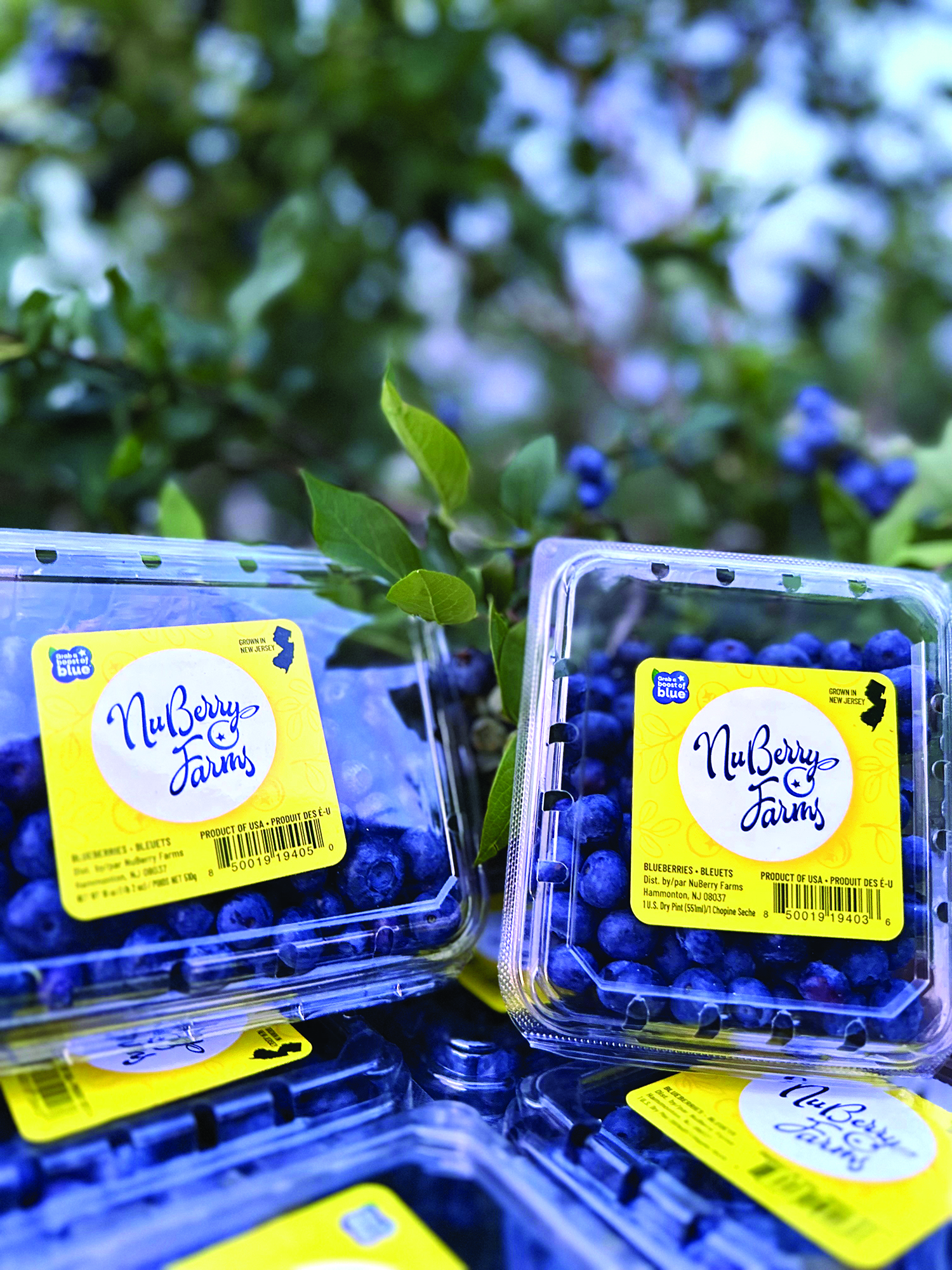
In fact, the Empire State is nationally and internationally known for many different types of produce, whether it is corn, blueberries and tomatoes from farms on the eastern end of Long Island or a wide variety of apples and grapes from farms in the burgeoning Finger Lakes region and other parts of western New York.
According to the Albany, N.Y.-based New York Farm Bureau, the state, with nearly seven million farmland acres in production, is first in the country in the production of yogurt, cottage cheese and sour cream. The Empire State is second in national production of apples, snap peas and cabbage; third in grapes, fourth in corn silage and fifth in tart cherries, green peas and squash.
Of course farming in New York, like in most states in the northeast, has its challenges.
First and foremost is the relative high cost of land, particularly in the southern areas on the state and on Long Island. That is followed closely by finding enough workers to work the farms throughout the state and the cost of paying these employees. Along with several other reasons, those costs have played a role in the slight reduction in farming acreage, down by about 350,000 acres since 2012.
State government and privately-run farming associations in the state are trying hard to address those issues, as well as other issues that can impact the business of farming in New York. Getting the word out to retailers, other businesses and consumers near and far about the availability and quality of New York produce is at the top of the list.
For example, the state’s Department of Agriculture offers a number of programs to boost sales for farmers. Its Nourish New York program re-routes surplus agricultural production to people who need them the most through a network of food banks. A farm-to-school program connects schools with local farms that has generated huge sales for farmers while improve student health and providing youngsters with a wide variety of produce for breakfast and lunch at school.
The state also promotes its New York State Grown & Certified program that makes it easy to identify products that are grown and produced locally throughout the state. The Dept. of Agriculture says it focuses the program on food safety and environmental standards. The decade-old Taste NY program is designed to highlight the quality, diversity and economic impact of agricultural products grown, produced or processed in the state.
State and private officials also like to emphasize the state’s location to many major markets and the ability to get fresh produce to retailers and consumers quickly and efficiently. While New York City, Buffalo and other cities like Rochester, Syracuse and Albany are within the state’s borders, they quickly note that such major metropolitan areas as Boston, Philadelphia, Washington/Baltimore and even Chicago, Cleveland and Detroit are within a day’s travel of most of the state’s farms. State officials point out that as much as 33 percent of the nation’s population lives within 500 miles of New York.
These same state officials point out the state’s temperate weather conditions, fertile land, natural resources and abundance of rain and access to water as more reasons why New York can produce a wide variety and high-quality of produce on a consistent basis.