Georgia’s diverse produce industry anchors Southeast supply chain
Georgia’s diverse produce industry anchors Southeast supply chain
 Georgia’s produce industry continues to play a vital role in the Southeast supply chain, offering a diverse mix of fruits and vegetables supported by favorable growing conditions, geographic proximity to key markets and strong relationships between growers and distributors.
For companies like Edward L. Myrick Produce, the state represents a critical link in maintaining steady supply during the spring and early summer months.
“Georgia plays a vital role in our supply chain,” said Jimmy Myrick, vice president of the Pompano Beach, FL-based company. “It’s a very good growing area because there are so many farms and so many different items within about a 100-mile radius. That makes it efficient for us to source product and keep things moving.”
That concentration of farms, combined with a wide range of soil types—including sand, clay and muckland—allows Georgia growers to produce a broad array of commodities. From Vidalia onions and green beans to cucumbers, squash, peppers and blueberries, the state offers a steady flow of product that bridges the transition from Florida production to more northern growing regions.
Over the years, Myrick said, consistency has been key to the company’s success in Georgia. Many of its grower relationships have lasted for decades, including a nearly 30-year partnership with Minor Brothers in Leslie, GA.
“We’ve had the same growers for a long time,” Myrick said. “They’re very good farmers, and they know how to get through the tough times. We’re lucky to work with people like that. That longevity comes down to a simple philosophy—hard work and honesty.”
Georgia’s importance is also evident in the operations of Atlanta-based distributors like Nickey Gregory Co., which relies heavily on the state’s proximity and productivity to serve customers throughout the Southeast.
“Georgia is very important to us,” said Andrew Scott, vice president of marketing and business development. “We push Georgia-grown product and support local farmers. Being so close to those growing regions allows us to pick up product on our own trucks and bring it back quickly, which helps us turn inventory faster.”
That logistical advantage is especially valuable during the spring, when Georgia crops begin to overlap with Florida production, creating a seamless transition in supply.
Beyond its role in the supply chain, Georgia’s agricultural diversity is one of its greatest strengths. While the state is widely known as the “Peach State,” its produce portfolio extends far beyond that iconic fruit.
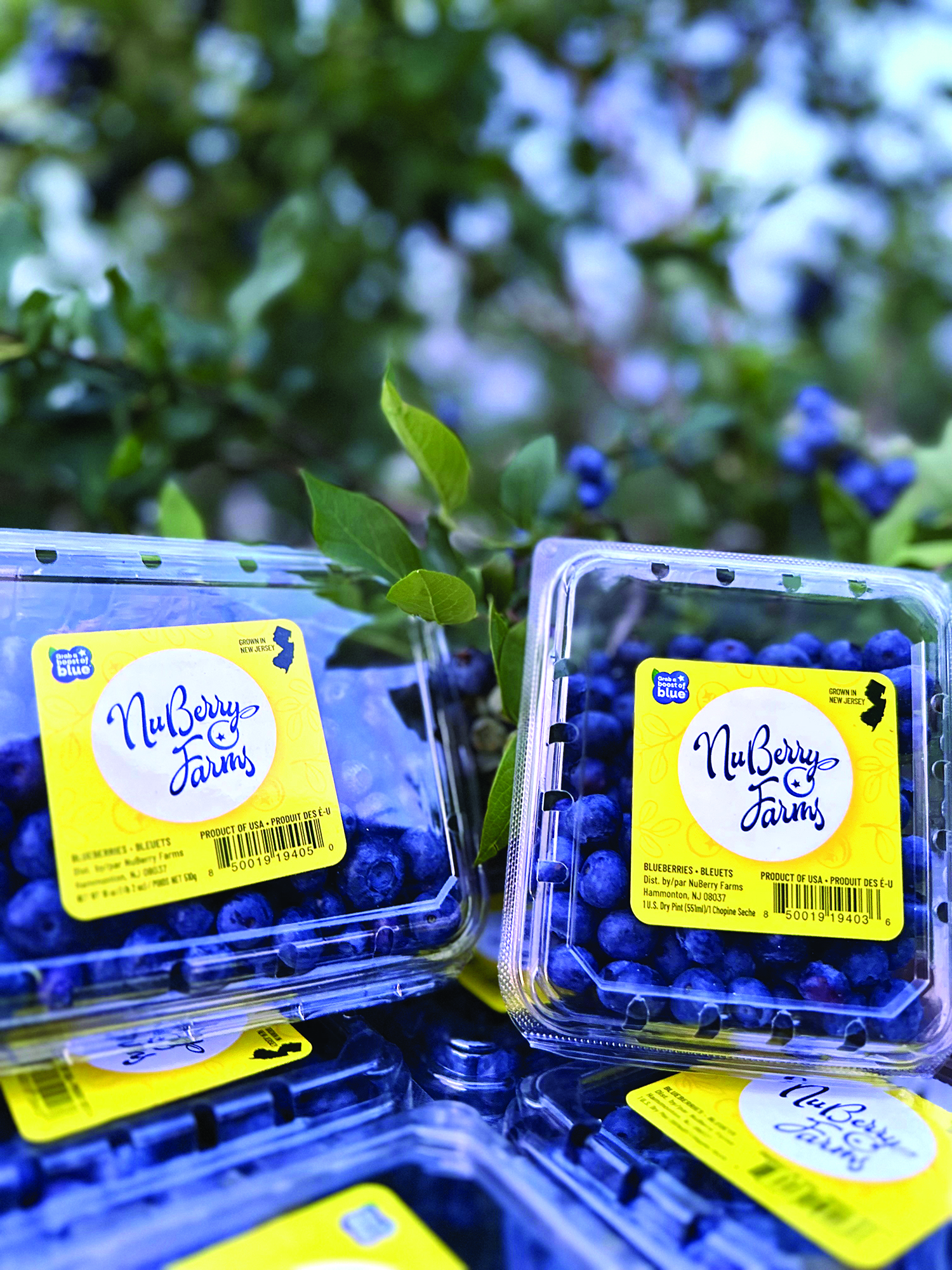
Blueberries are actually the state’s leading fruit crop, with more than 18,000 acres in production and annual output reaching tens of millions of pounds.
Georgia’s sandy, acidic soil and mild winters provide ideal growing conditions, helping position the state as a major player in the national blueberry market.
Watermelons are another standout commodity, particularly in Central and South Georgia, where warm temperatures and ample sunlight contribute to their sweet flavor and crisp texture. Cucumbers, too, represent a significant portion of the state’s vegetable production, with a long growing season that extends from late spring into the fall.
Vidalia onions remain one of Georgia’s most recognizable products, with their unique sweetness protected by a federal marketing order that defines the region where they can be grown.
The onions typically hit the market in April and remain available through the summer, providing a key seasonal item for both retailers and consumers.
The state’s success is supported by initiatives such as the Georgia Grown program, which promotes locally produced goods and helps connect farmers with consumers and buyers across the country. Established in 1874, the Georgia Department of Agriculture continues to play an important role in supporting growers through marketing, research and outreach efforts.
As Myrick noted, “It’s a region that offers a little bit of everything, and that’s what makes it so valuable.”