Bottom line of Hurricane Wilma damage is, as usual, the bottom line
Bottom line of Hurricane Wilma damage is, as usual, the bottom line
Everyone agrees that the fresh produce business operates on a supply-and-demand basis. The problem is that there are many factors that affect both the supply volumes and the demand trends.
Mother Nature is included in the nearly unending list of issues. And she proved her power in the two previous hurricane seasons.
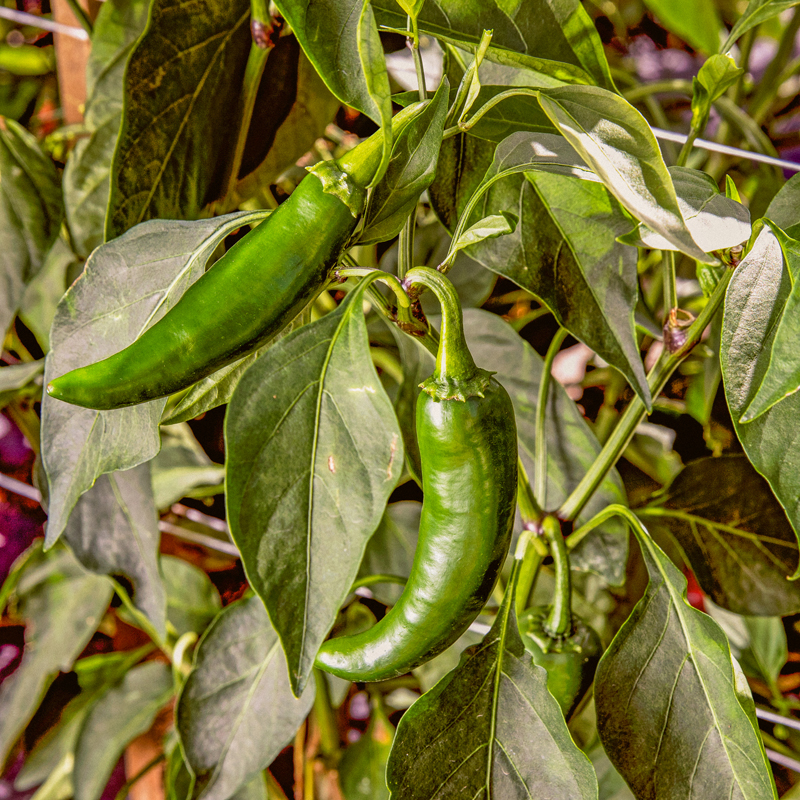
According to retail market surveys conducted by the Florida Fruit & Vegetable Association in Maitland, FL, the price of a pound of peppers last June at a Foodtown store in New York retailed for $1.49. On Nov. 16, one pound of peppers cost $2.49. However, a pound of green peppers at a Chicago Dominick's store cost 10 cents less in November.
The FFVA and many others in the produce industry predicted not only shortages but rising prices as the holidays approach because of the damage and destruction the storm inflicted on South Florida crops. Supermarkets, according to the FFVA, are doing what they can to find fresh goods for their customers. Sometimes that means price increases, but not always.
"When it comes to pricing, lettuce is different from tomatoes, as an example," according to an article the association published. "Leafy crops have a short distribution period because of their limited shelf life."
The FFVA quoted Gary Lucier, an agricultural economist with USDA's Economic Research Service, as saying, "As a result, their monthly average retail price tends to move largely in lock-step with grower prices because it is at most a week from field to consumer."
Mr. Lucier added that tomatoes and carrots are in the distribution pipeline longer, so there might be a lag of as much as a month between changes in grower price and retail prices as everyone in the distribution chain works through available product. He also said that competition in retail markets holds down sustained high prices.
Following Hurricane Wilma, Wal-Mart launched a campaign in cooperation with the Florida Department of Agriculture & Consumer Services. The chain gave Florida producers some leeway in size and appearance of affected produce and posted signs encouraging customers to support local growers.
The Produce News stressed that the "grade" or "standards" of the products referred to in Wal-Mart's or other retailer's campaigns does not imply that they are of lesser quality.
Florida Commissioner of Agriculture Charles Bronson issued a press release acknowledging the Wal-Mart campaign. " We appreciate the support of retailers like Wal-Mart who are committed to buying locally-grown Florida produce and making it available to their customers."
According to the FFVA's coverage, "Regardless of retailers' good intentions, the ERS study and others point to the fact that discrepancies or 'price asymmetry' can occur, especially with products that have a longer distribution time. Producers of tomatoes and other items need to stay aware of retailers' actions because they can affect the grower's bottom line.
"Consumers go to the store and expect to find fresh produce. Droughts, flooding, freezes and hurricanes aren't foremost in their minds. All they see is a ridiculously high price for something that was reasonable only months earlier. This isn't good news for the grower."
Mother Nature is included in the nearly unending list of issues. And she proved her power in the two previous hurricane seasons.
According to retail market surveys conducted by the Florida Fruit & Vegetable Association in Maitland, FL, the price of a pound of peppers last June at a Foodtown store in New York retailed for $1.49. On Nov. 16, one pound of peppers cost $2.49. However, a pound of green peppers at a Chicago Dominick's store cost 10 cents less in November.
The FFVA and many others in the produce industry predicted not only shortages but rising prices as the holidays approach because of the damage and destruction the storm inflicted on South Florida crops. Supermarkets, according to the FFVA, are doing what they can to find fresh goods for their customers. Sometimes that means price increases, but not always.
"When it comes to pricing, lettuce is different from tomatoes, as an example," according to an article the association published. "Leafy crops have a short distribution period because of their limited shelf life."
The FFVA quoted Gary Lucier, an agricultural economist with USDA's Economic Research Service, as saying, "As a result, their monthly average retail price tends to move largely in lock-step with grower prices because it is at most a week from field to consumer."
Mr. Lucier added that tomatoes and carrots are in the distribution pipeline longer, so there might be a lag of as much as a month between changes in grower price and retail prices as everyone in the distribution chain works through available product. He also said that competition in retail markets holds down sustained high prices.
Following Hurricane Wilma, Wal-Mart launched a campaign in cooperation with the Florida Department of Agriculture & Consumer Services. The chain gave Florida producers some leeway in size and appearance of affected produce and posted signs encouraging customers to support local growers.
The Produce News stressed that the "grade" or "standards" of the products referred to in Wal-Mart's or other retailer's campaigns does not imply that they are of lesser quality.
Florida Commissioner of Agriculture Charles Bronson issued a press release acknowledging the Wal-Mart campaign. " We appreciate the support of retailers like Wal-Mart who are committed to buying locally-grown Florida produce and making it available to their customers."
According to the FFVA's coverage, "Regardless of retailers' good intentions, the ERS study and others point to the fact that discrepancies or 'price asymmetry' can occur, especially with products that have a longer distribution time. Producers of tomatoes and other items need to stay aware of retailers' actions because they can affect the grower's bottom line.
"Consumers go to the store and expect to find fresh produce. Droughts, flooding, freezes and hurricanes aren't foremost in their minds. All they see is a ridiculously high price for something that was reasonable only months earlier. This isn't good news for the grower."