Frank Donio Inc. sees promising blueberry season ahead
Frank Donio Inc. sees promising blueberry season ahead

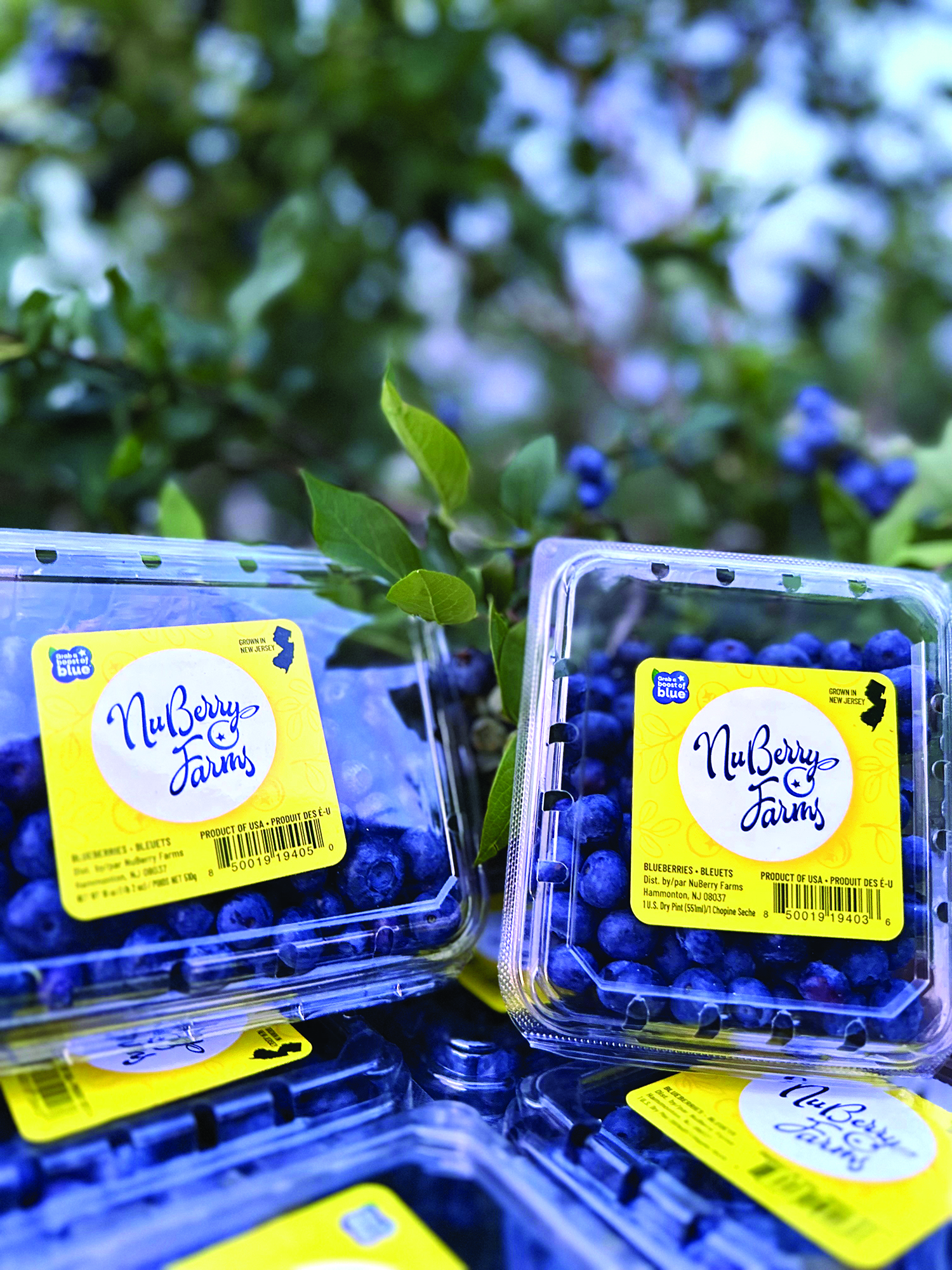
For more than 90 years, Frank Donio Inc. has been a cornerstone of New Jersey’s blueberry industry, building a reputation for quality, consistency and strong grower relationships. More than two decades ago, the company introduced its well-known Top Crop label to showcase fruit grown by its network of multigenerational family farms, and today blueberries packed under the brand continue seeing strong demand from retailers and consumers alike.
“New Jersey blueberry season is currently shaping up to be fairly on time this year, although at this stage it is still very much a moving target and highly weather dependent over the next couple of weeks,” said Annie Pape, special projects and brand manager for the Hammonton, NJ-based company. “We typically consider June 15 to be the ‘normal’ starting point for the New Jersey blueberry deal, and right now we appear to be tracking close to that time frame, potentially a few days later depending on weather and crop progression between now and harvest.”
Earlier in the season, the industry experienced a cold snap during bloom that created some concern across the region, and the company was no exception.
“Prior to that weather event, overall crop potential was looking very strong, likely helped by the amount of sustained cold temperatures we experienced over the winter,” Pape said. “We more than satisfied the chill hour requirements for northern highbush blueberries, which generally supports strong crop development heading into spring. Because of that strong initial crop potential, even with some sustained frost damage in certain areas, we still expect enough volume to support the New Jersey blueberry deal.”
She said that when temperatures get close to critical levels during bloom, even a couple of degrees can make a meaningful difference.
“That is where small variations in geography start to matter more than many people would expect,” Pape said. “Slight elevation changes or even relatively short distances between farms can create noticeable differences in temperature during a frost event. The impact also depended heavily on the exact bloom stage each field or variety was in at the time of the cold weather. Some varieties saw more effect than others, while other fields came through in very good shape.”
As of late May, the crop that remains is progressing nicely and the overall quality is looking promising as the berries start size up and color up over the next 3-4 weeks.
“New Jersey continues to play a major role in the overall blueberry industry because this is where the cultivated blueberry industry began,” Pape said. “We like to say New Jersey is the ‘OG’ of blueberries because it is the birthplace of cultivated blueberries as we know them today. This region’s climate and naturally sandy and slightly acidic soil creates an ideal environment for blueberries to grow and thrive. In many ways, Jersey Fresh blueberries are growing where Mother Nature intended them.”
Beyond the history, New Jersey also remains critically important from a supply chain standpoint because of how close it is to major East Coast markets.
“Retailers are able to receive fresh fruit quickly during peak season, which helps support freshness, flavor and shelf life,” Pape said. “Many times, we are harvesting one day and the berries on the shelf the very next day.”
From an industry standpoint, growers continue to navigate many of the same challenges facing agriculture overall, including labor availability, rising input costs and freight expenses.
“At the same time, demand for high-quality blueberries remains very strong,” Pape said. “Consumers have really made it a staple in their lives, and we absolutely still see consumer demand for domestic fruit and specifically Jersey Fresh fruit.”