Solid Peruvian avocado crop expected
Solid Peruvian avocado crop expected
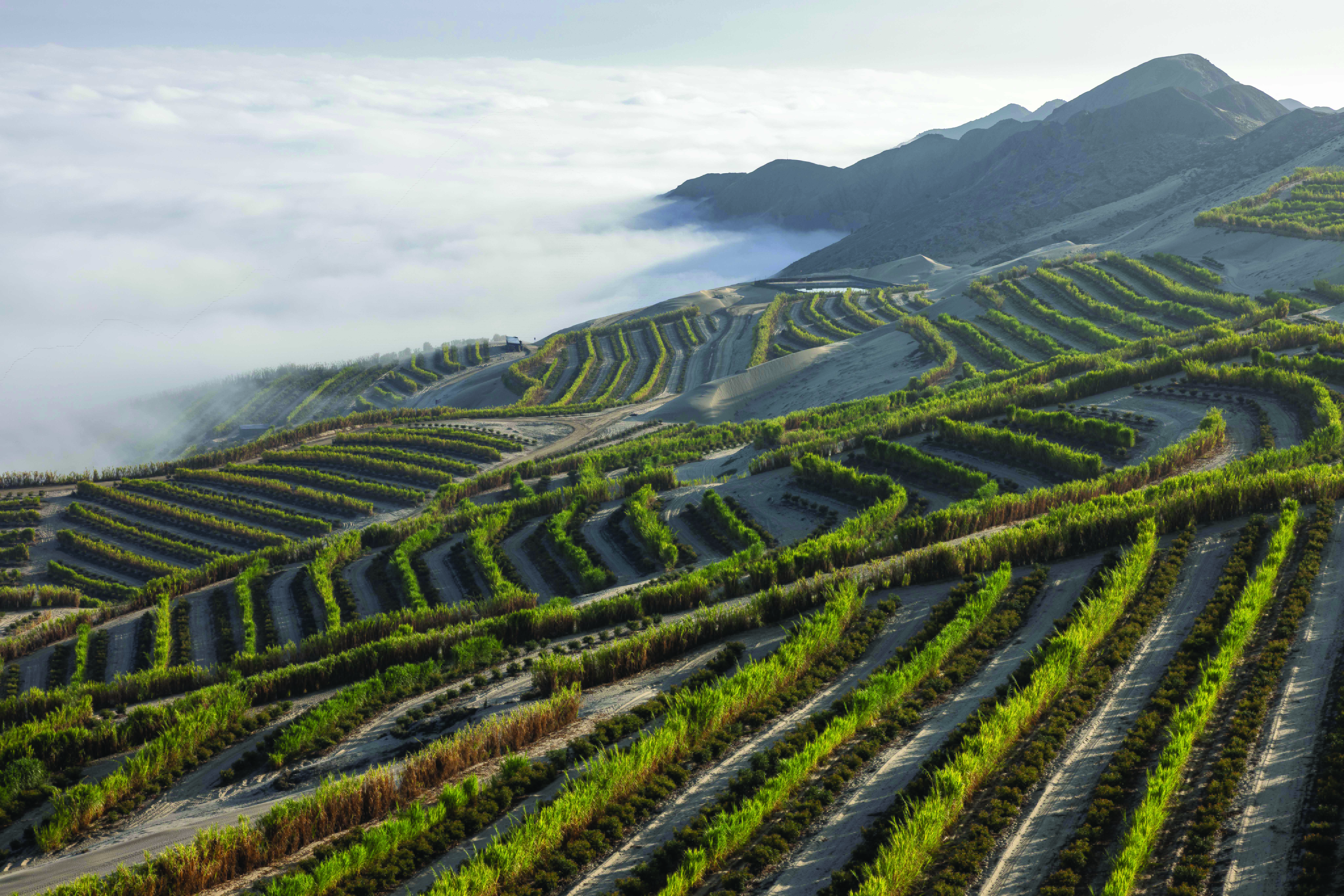
In late May, ocean liners loaded with Peruvian avocados were steaming toward the United States with significant supplies expected by the end of the month as production moves toward its peak summer shipping months.
Double-digit supplies between 10 million and 16 million pounds are anticipated in the marketplace for about a 12-week period stretching from June through August. The first Peruvian avocados entered U.S. commerce in early spring, and the last carton will no doubt be sold in fall, but summer is this South American country’s sweet spot for U.S. consumers.
Peter Shore, vice president of product management for Calavo Growers, told Produce News that industry experts are predicting that the 2026 volume will not quite reach the 227 million pounds of sales realized in 2025, but it will still be a very good crop. He noted that expectations are for a peak fruit size of 48 with strong volume of larger sizes also anticipated. Peru, still with a plethora of younger trees, is known for its large fruit, and Shore believes shipments will not disappoint in that respect this season.
In late May, the Calavo executive said the Peruvian fruit is ramping up at the right time as the U.S. market price is finally on the upswing. “After nine months of consistently low prices, we are starting to see some life,” Shore said.
He observed that Mexico had a very large crop during its 2025-26 season, which runs from July 1 to June 30, with record volumes, but production was backing off as it typically does in May and June. Throughout the first four months of the 2026 calendar year, Mexico’s U.S. volume topped 60 million pounds in 13 of the 16 weeks. In fact, it topped 70 million pounds seven different weeks, topping out at 83 million pounds. But May and June are collectively only expected to have a weekly production average of about 35 million pounds. This is great news for Peruvian suppliers as well as their California counterparts. Shore said the market price has been low, but it has led to many promotions and excellent movement for months on end.
Jose Antonio Castro, general manager of Peru-based Agrokasa and also an industry leader at both the Peruvian Avocado Commission and ProHass, believes that total volume from Peru to the United States will be less than last season. In the first place, he said the 2025 crop in Peru was a large crop and typically big production seasons are followed by smaller ones, as avocados do have alternate bearing tendencies. “Peru is having an off-season this year,” he said, adding that Mexico’s production is also playing a big role in Peru’s shipments. “Mexico is very strong this year.”
He did note in late May that the U.S. market price was beginning to rebound, boding well for the summer producers, including Peru.
Castro said Peru has been helped tremendously this season by a very strong market in Europe. Peru’s avocado exporters began sending their fruit to Europe, where they are the No. 1 supplier, in March and will continue to have good volume well into September.
Though focused on the 2026 season, Castro did sound a potential alarm for next year’s Peruvian crop. His caution is fueled by the worldwide prediction of a severe El Niño this fall and winter. He reported that in previous El Niño seasons — most notably 1982-83, 1997-98 and 2023-24 — avocado production was adversely affected. “If there is a severe El Niño, we will feel it in October, November, December and January and it will impact production next summer,” he warned.
Galen Johnson, senior director of sales for Mission Produce, agreed that strong production from Mexico did impact the marketing of Peru’s early volume. “This season, the U.S. market has been well-supplied by Mexican fruit, so early Peruvian volumes have been directed toward Europe and Asia where conditions are particularly strong right now,” he said on May 27. “That’s the nature of a globally integrated program — we’re always optimizing across markets. As the season progresses and promotable supplies build across the industry, U.S. customers are expected to have plenty to work with.”
Johnson noted that as the No. 1 exporter of avocados from Peru, Mission has built one of the most integrated and reliable summer avocado programs in the industry. “Peru plays a strategic role in our ability to deliver a reliable, year-round avocado supply,” he said. “It complements the Mexican low season really well — when Mexico transitions, Peru steps in and keeps the pipeline flowing for our customers.”
He added that promotable supplies from Peru typically begin in the U.S. market in June with peak arrivals in early July. “The timing lines up well for summer avocado events, and we’d encourage our customers to start building those programs now so they’re ready to execute when volumes are at their strongest.”
The Mission executive said this year the Oxnard, CA-based shipper is offering its customers “some meaningful opportunities” to lean into. “As fruit sizes up, the industry expects strong opportunities on jumbo fruit,” Johnson said. “We’re also actively encouraging our retail partners to push the ripe stage on Peruvian fruit — delivering shoppers a ripe, ready-to-eat avocado at shelf is a win for everyone. It drives repeat purchase and elevates the overall eating experience.”
He added that the industry is anticipating a favorable size profile for Peru’s fruit, peaking on medium to larger fruit with more 60s and 48s. “It’s worth noting that sizing naturally shifts throughout the season based on elevation,” Johnson said. “Earlier in the season, the industry typically sees smaller fruit coming from the higher elevations, and as the season progresses into the lower elevations, fruit sizes up into those larger and jumbo categories.”
Johnson also commented on the important role education plays for Peru’s avocado crop. “Education on the proper handling of Peruvian avocados is key — it’s how we help ensure a great experience for both our retail partners and their shoppers,” he said. “We provide storage and handling recommendations, backroom posters and resources, as well as hands-on training to help our customers maintain product quality after delivery. We also partner with Avocados from Peru to layer in additional retail and foodservice marketing support, giving our customers even more tools to drive engagement at shelf and beyond.”